
Sheep Inc.




A great sweater is a relationship, not a transaction. –It gets better with time, carries stories, and when you’re finally done with it—years, maybe decades later—it has somewhere meaningful to go even if that is going completely back to soil in less than a year.
Sheep Inc. builds sweaters with this timeline in mind but in an innovative mix of tradition and technology. The UK brand was founded in 2019 by Edzard van der Wyck (fashion and brand strategy) and Michael Wessely (technology and financial transparency) with impact as the core pillar of the business—redefining accessible luxury where impact matters as much as style or quality, and they’re using as complete and transparent a toolkit as anyone in fashion worldwide. We know their launch designer and let’s just say they hired proper fashion talent to ensure the product was heritage brand level product.
Quality raw materials matter more in knits. Their yarn starts at regenerative farms in New Zealand where wool is grown carbon-negative—the land sequesters more CO2 than the sheep produce. It’s scoured at a B-Corp certified facility in Italy, spun in Italy and Bulgaria using an eco-friendly process called Eternity X-Care®, which forgoes the chlorine commonly used in wool processing that returns water cleaner than it arrived. Then they’re knitted by artisanal knitters in Romania and Portugal where the factory is powered by solar energy. Every garment carries an NFC tag. Scan it and trace the complete journey—the specific farm, every maker along the way, carbon footprint, water usage, everything. You’ll even get to “meet” your flock. The animals whose fleece became your sweater.

This is the future. Sheep Inc. is one of the brands we wholeheartedly suggest supporting when you shop.
Regenerative, circular, community-advancing. These are the boundary-pushers creating tomorrow's standards today. Sweet spots where product, service, team, process and your experience find balance and represent how we think everything should be in the future. These are the people, brands and organizations doing what we call the "hard good work". More about our rating system →
The Sweaters
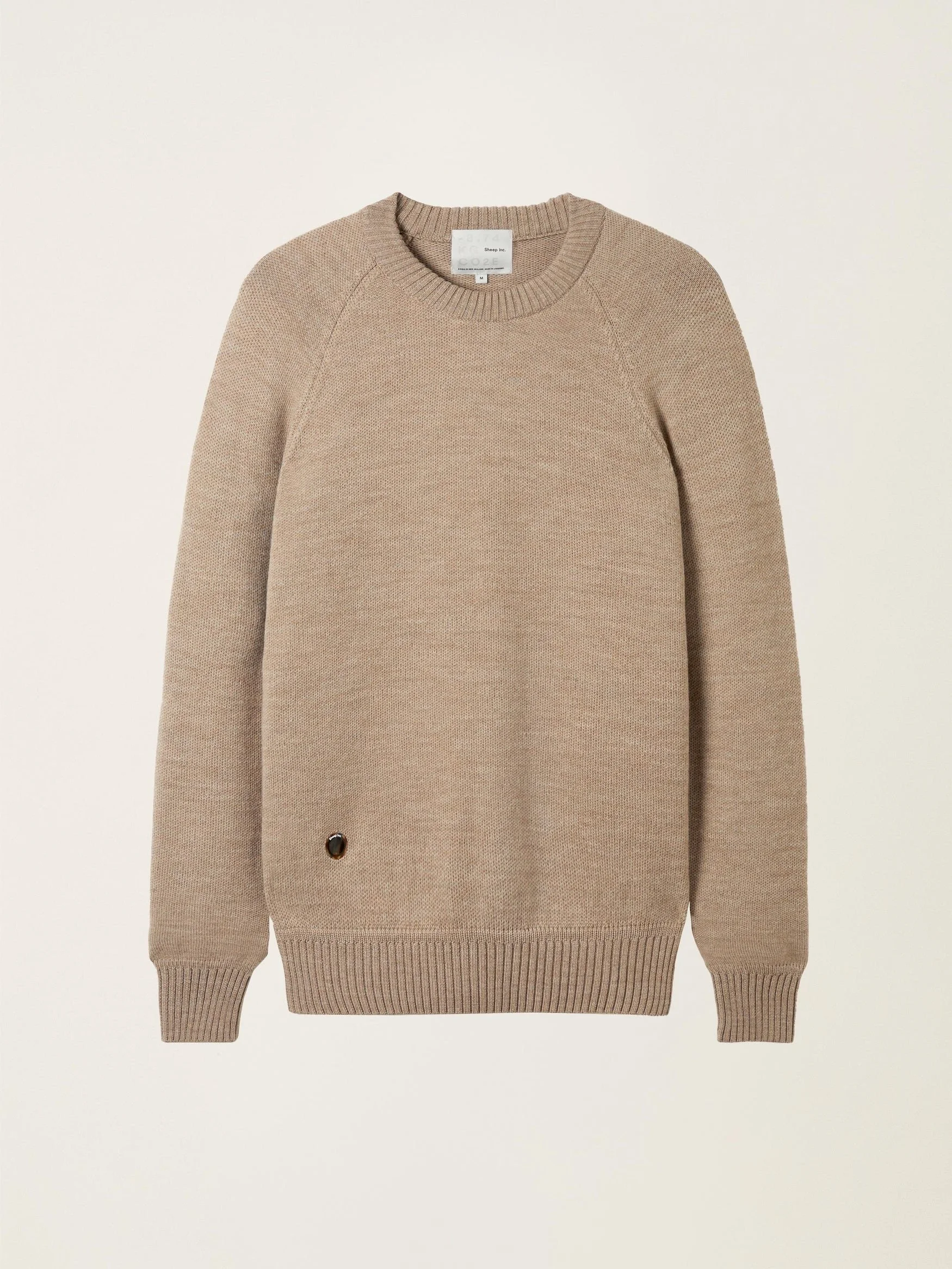
Classic shapes. Considered colors. Crew necks, half-zips, cardigans, turtlenecks—pieces that build a wardrobe, that can anchor your rotation for years rather than seasons.
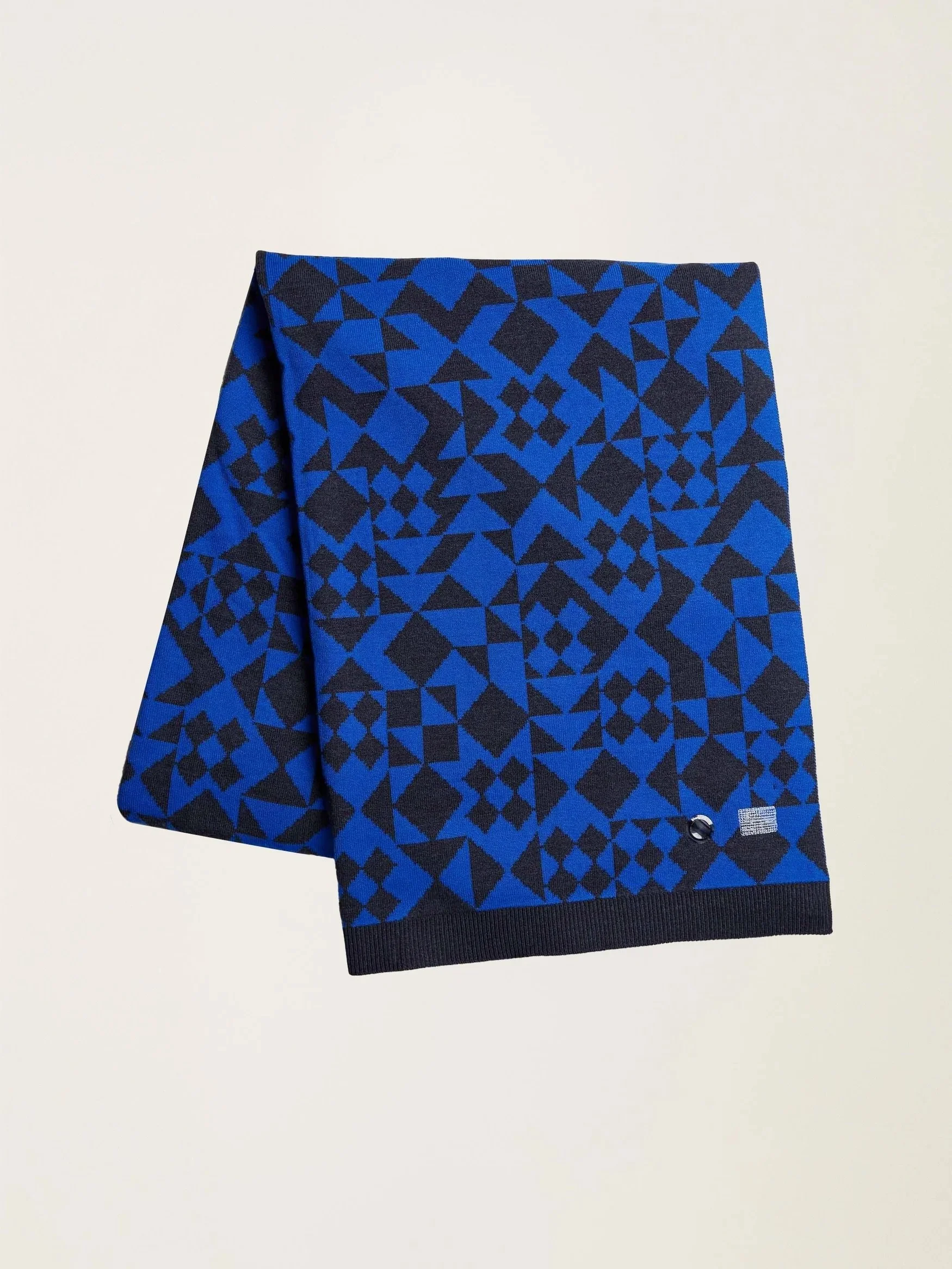
The fits are relaxed without being oversized. Size up one or two if you want a less classic silhouette. The color palette spans from neutrals (oatmeal, charcoal, navy) to statement brights (electric blue, deep orange, forest green) with seasonal intarsias and limited edition yarns layered in.
They are not the least expensive option, but they offer strong long term value. The difference is immediate when you touch them. No itch, just softness that also feels substantial because merino this fine is actually super soft. Merino fiber naturally regulates temperature, resists odor, naturally repels stains, and improves with wear and Sheep Inc’s finishing is leagues above their price point.
Wear all the time pieces. Hand washable. Repairable through their Knit Clinic program for life. Built to last years, then passed on through a resale platform when you’re ready. A few paths to buying: full price from their current collection, their own archive sale, and pre-owned options. The pre-owned route gives up the lifetime guarantee and opens access at a lower entry point while still getting you genuinely better-made knitwear with measurably better impact than most brands at any price point.
Below, we’ve curated selections across all three tiers—current season favorites, archive finds, and pre-owned picks worth considering. When ordering from the brand their prices are landed tariffs and taxes are included so you can count on no surprises if you’re outside the UK where they’re based.
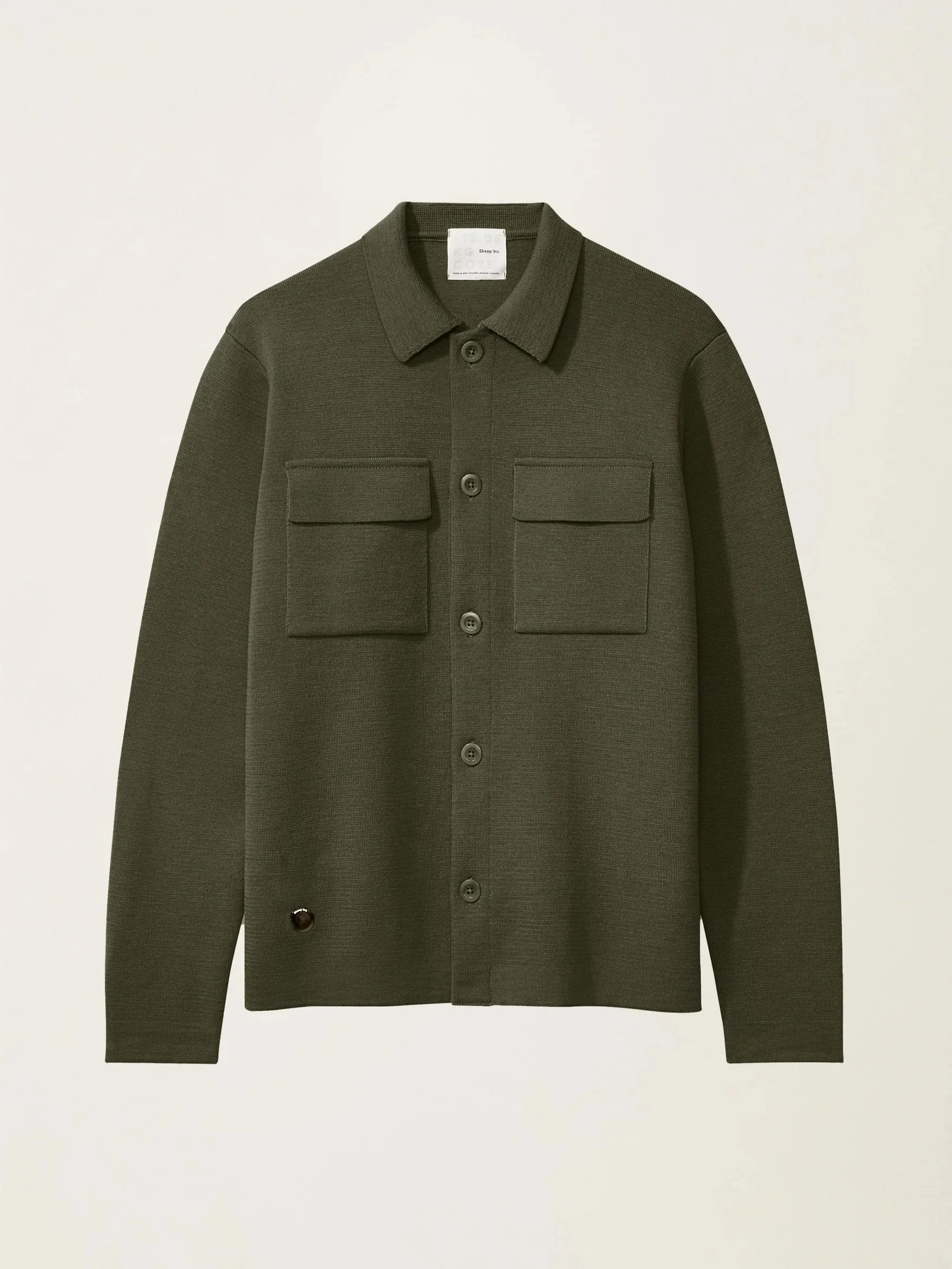
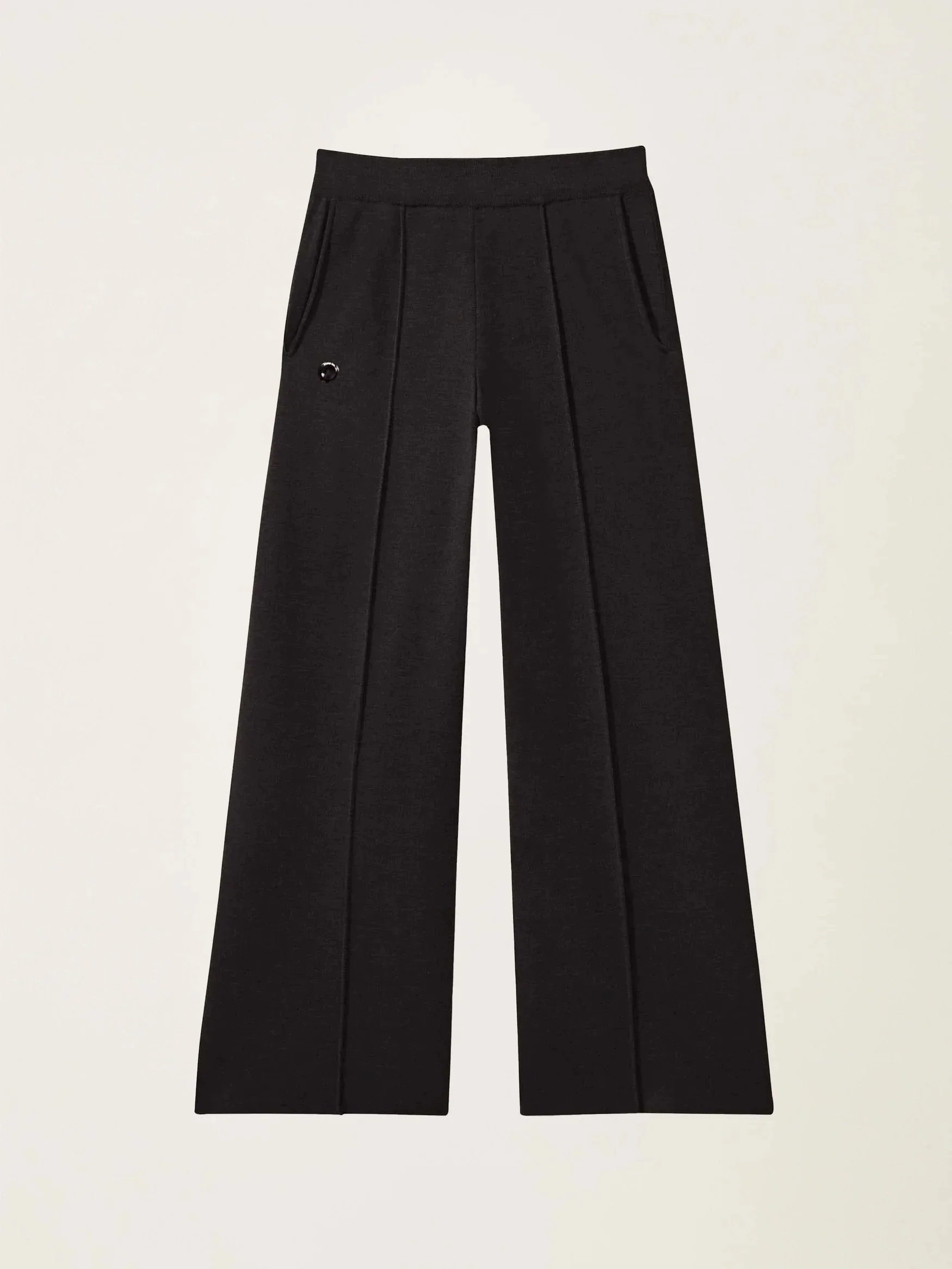
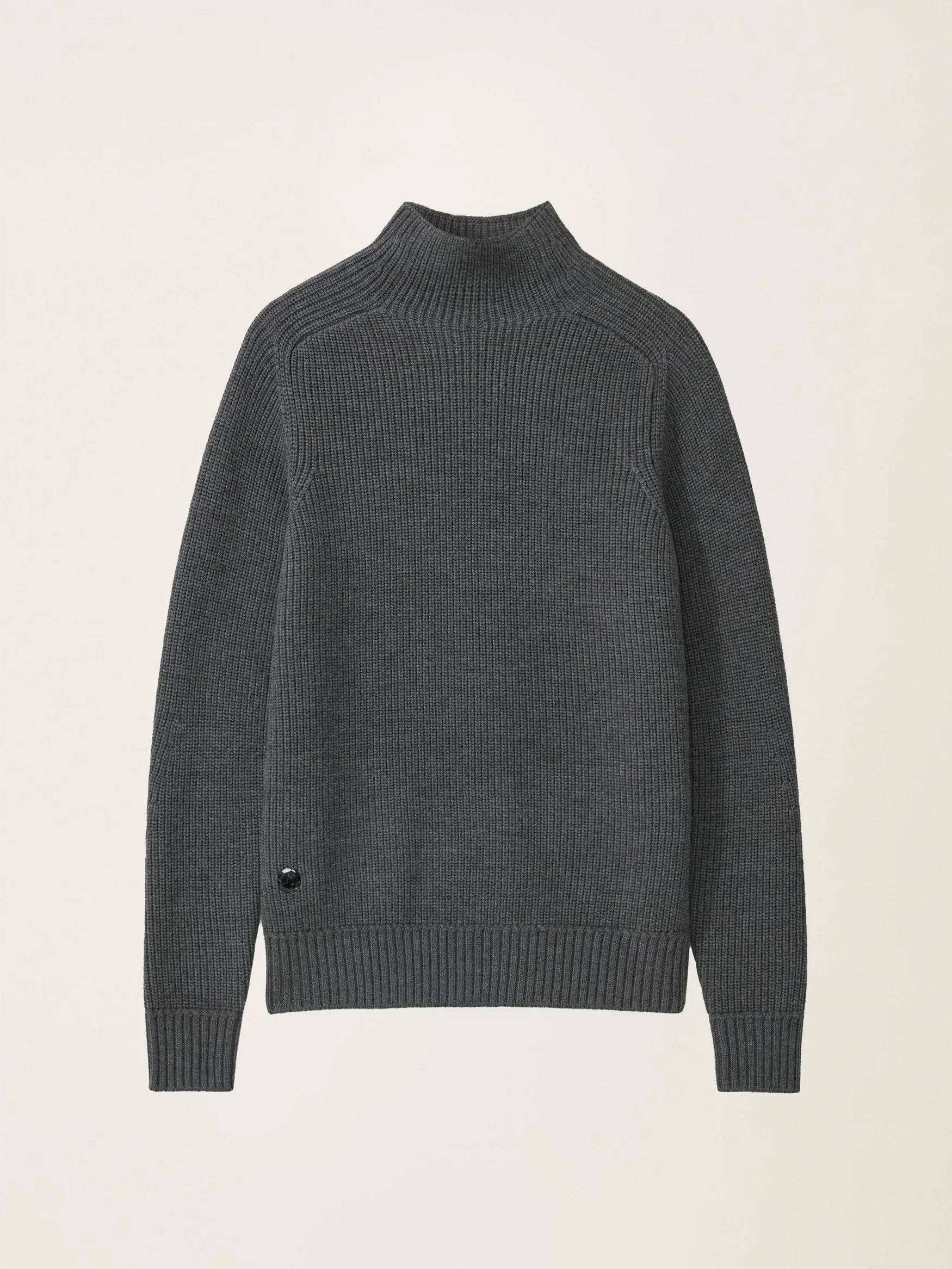
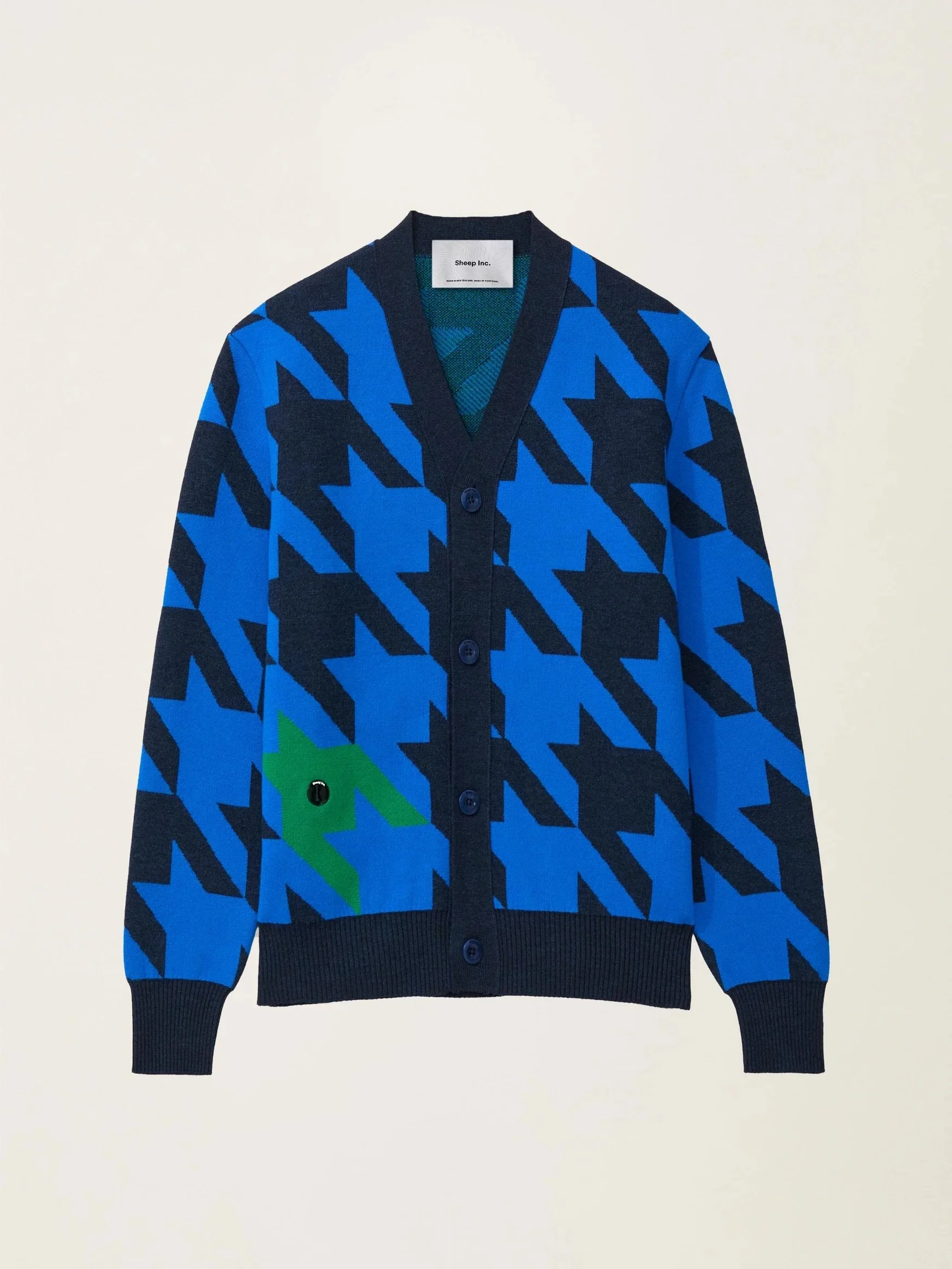
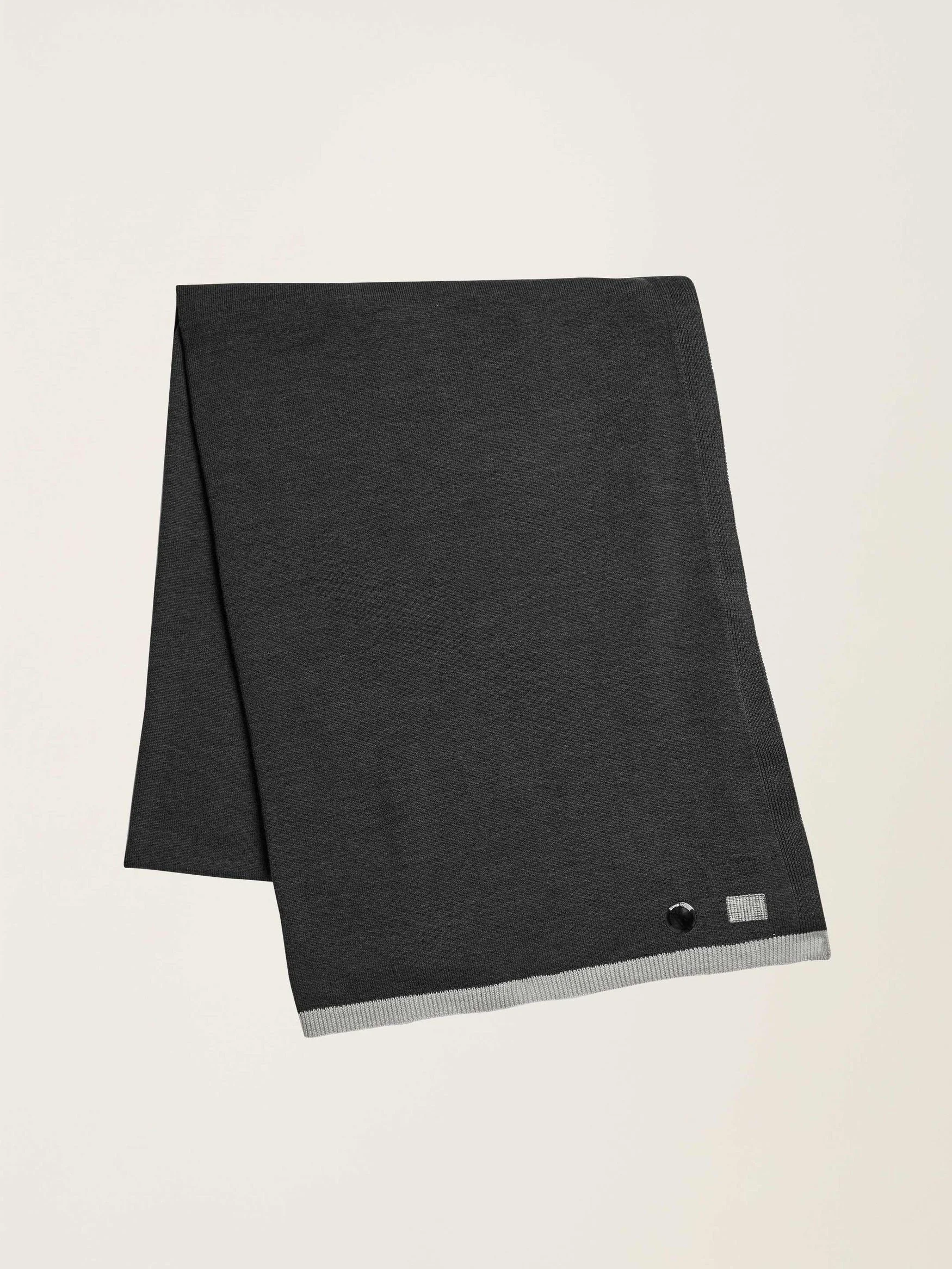
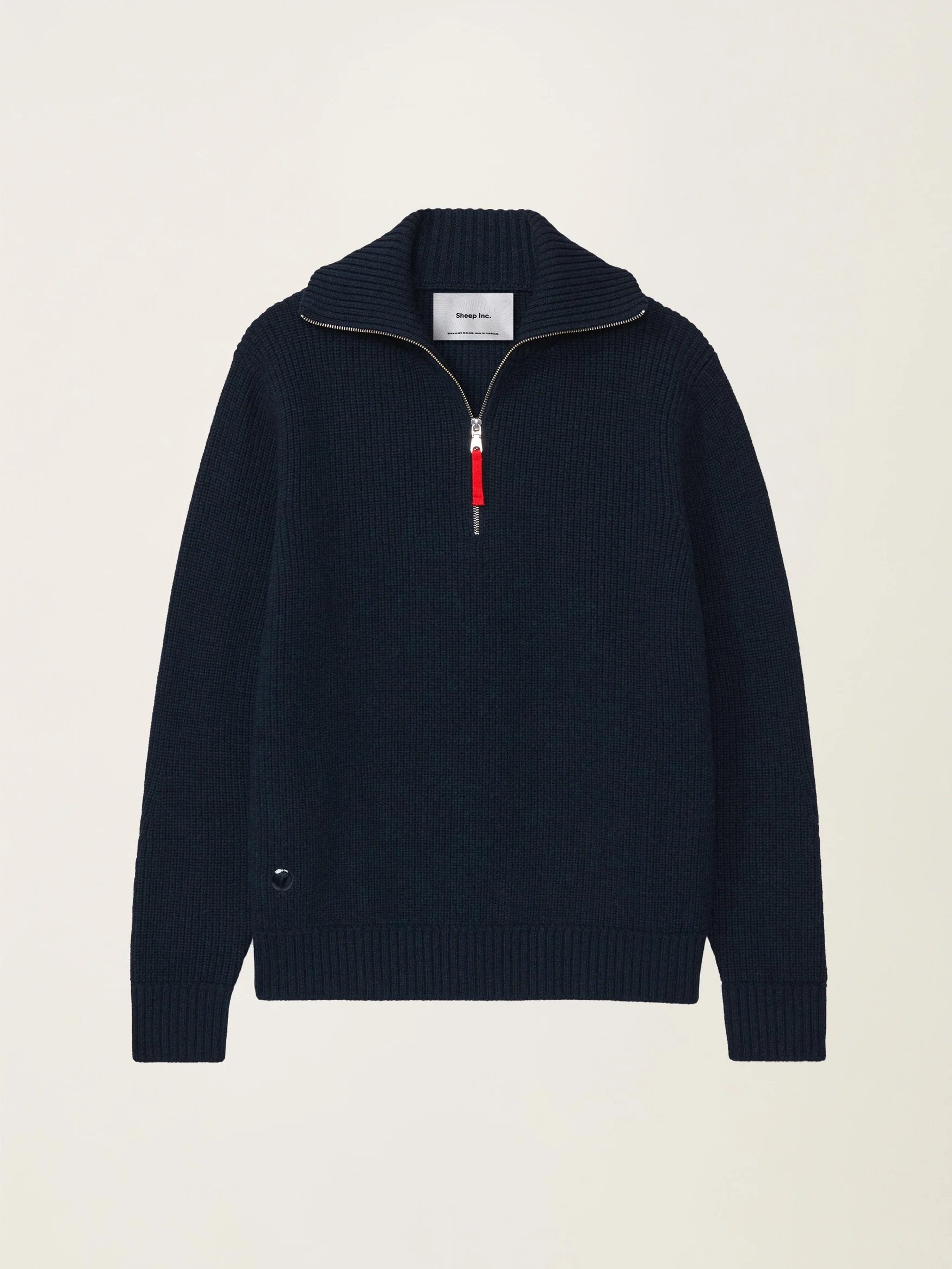
Why Merino is Our Favorite Yarn
Merino wool has spent millennia evolving to keep sheep comfortable in extreme conditions—the breed thrives in environments ranging from 5°F winters to 95°F summers. Those same properties that regulate sheep body temperature work remarkably well for us too. The merino fiber structure is naturally crimped, creating tiny air pockets that trap warmth when it’s cold and allow breathability when it’s hot. Merino can absorb up to 30% of its weight in moisture vapor without feeling wet, then wick that moisture away from skin as vapor rather than liquid—meaning you stay dry and comfortable instead of clammy.
The fiber is naturally antimicrobial. It absorbs odor molecules and traps them inside the fiber until washing, rather than letting bacteria build up on the surface. You can wear merino many times between washes without odor building up. It’s also inherently stain-resistant, anti-static, and offers UV protection (UPF 20-50 depending on the knit density). Unlike synthetics that shed microplastics with every wash and take hundreds of years to break down, merino is fully biodegradable—back to soil nutrients within 6-12 months.
Merino outperforms both synthetics and cotton in dynamic conditions where activity levels fluctuate. It maintains thermal comfort during both exertion and rest, preventing the “after-chill” that comes from synthetic performance wear.
Preowned winners
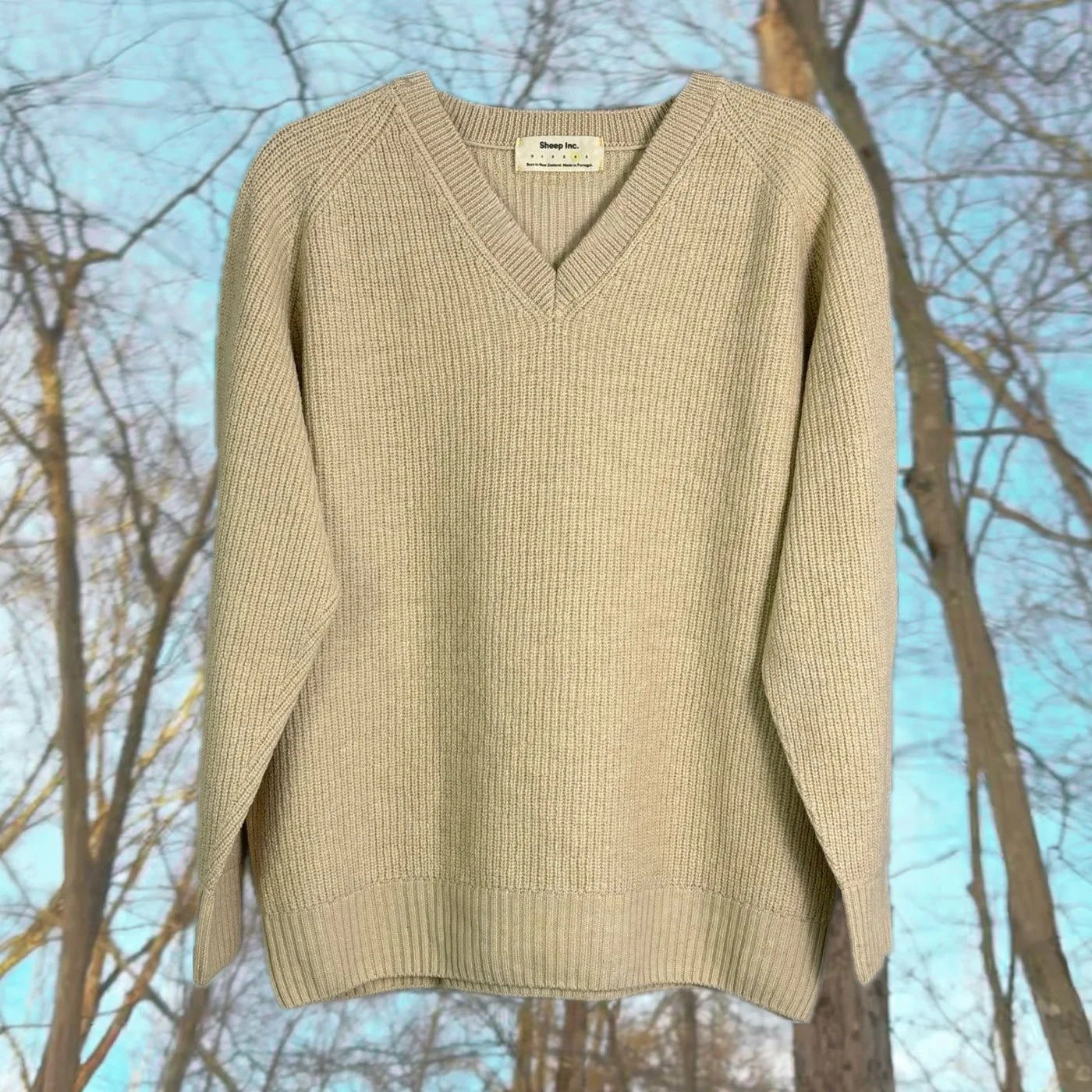

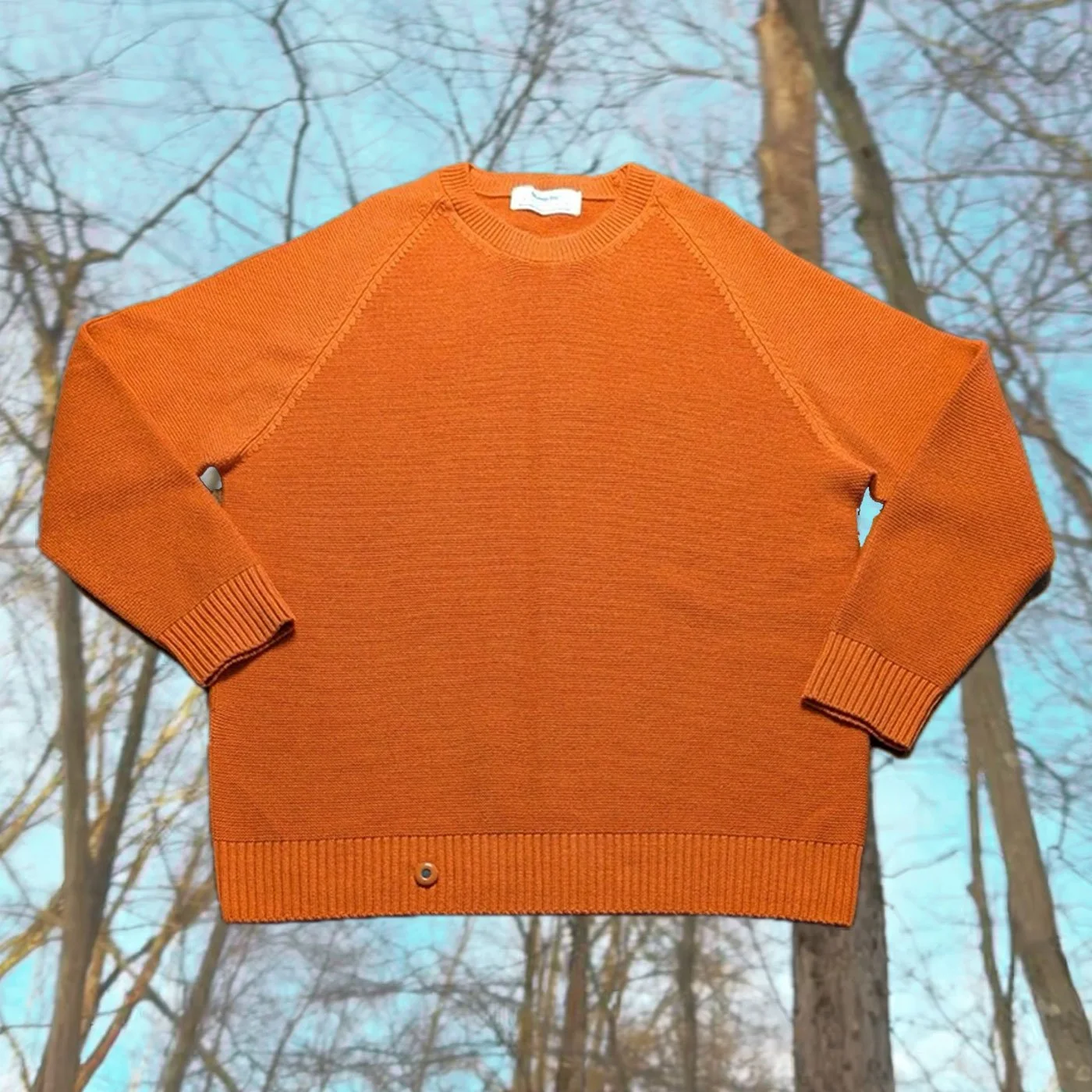
Sheep Inc. archive

Actual Radical Transparency
Every Sheep Inc. garment has an NFC tag clipped to the hem—easily removable if you prefer—a small chip made from castor bean bioplastic that you tap with your phone to access the garment’s complete digital record from field to store.
The Connected Dot system is a functional supply chain management tool that happens to be customer-facing.
Tap the tag and you get the entire regenerative supply chain:
The specific sheep station where your wool originated
Shearing dates
Processing locations and methods
The name of the person who hand-finished your garment
Carbon footprint at each stage (independently verified by Carbon Footprint Ltd.)
Water usage
Energy sources used in production
The system even connects you to sheep from the farm where your wool was grown—linking you back to the specific station and flock.
We’re very impressed with how complete their impact reporting models are. They’re proving it’s possible, leaving almost everyone else to catch up. Read their Field Notes where they drop knowledge on the regular.
We’re starting our sweater conversation with Sheep Inc, because they have the most comprehensive regenerative and circlar model we know of in the vertical, next up we’ll expand our stable of sweater brands, a segment of fashion that is finding more sweet spots in new impact considered brands as well as value in resale than most others.
Our role as consumers
Brands working to be more transparent face something strange: by showing their work, they attract criticism that extractive companies rarely face. Educated consumers hold power.
Case in point—Sheep Inc.'s Instagram.
First a challenge to the brand's depth of AI imagery use—I agree. The brand's deep commitment to craft gets lost in their increasing use of AI in their marketing. But their response is honest and educational: "We use AI as a tool that allows us to innovate and reduce our environmental impact. Traditional photoshoots involve travel and physical resources which have a carbon footprint." They're exploring efficiencies with eyes open which aligns with their mission.
Another commenter called the brand's transparency tech "the worst idea on the planet" and claimed it stopped them buying "thousands worth" of tees. Problem is, Sheep Inc. doesn't make t-shirts even knit ones regularly. The motivation for the attack isn't clear, but rather than delete the false claim, the brand left it up and responded with facts. Education as a tool.
Consumers demand perfection from the transparent. The coming decades will require constant evolution. If we pile on the brands trying while ignoring the ones hiding, we aren't doing ourselves any service.
You are the power.


Opening up the books
Edzard van der Wyck came from fashion (he previously co-founded Heist Studios). Michael Wessely came from technology and finance, specifically bringing transparency to complex financial markets. They founded Sheep Inc. in 2019 with a question: how do you build a fashion brand for the 21st century that doesn't require choosing between quality and impact?
Their funding journey reflects this philosophy. Early funding rounds of friends and family and leveraging sector lending tools similar to factoring lead them to April 2023, when they raised £1.59 million through a crowdfunding campaign on Republic, securing backing from 320 individual investors at a £6.5 million pre-money valuation. This approach—bringing their customer community directly into ownership—stands in stark contrast to the traditional venture playbook of raising massive rounds from consumer and then growth-stage funds while racing to “on paper” unicorn status and IPO.
In March 2025, they closed a £5 million Series A round led by Inside Out LLC, an impact investment holding company founded by Suzy Amis Cameron. The difference in this funding model matters because of Inside Out’s stated commitment “We work on behalf of generations we will never meet.” which they use to define success metrics that reach beyond traditional venture capital and private equity models—expanding to include the planet and future generations thriving as a measure of success.
Allbirds: The Same Material, The Same Location, A Less Viable Model Also started with New Zealand raised merino wool (they’ve since moved onto include a much wider supply chain spanning less regulated countries.) Launched in 2016 with a compelling and new sustainability story. They reportedly raised ~ $255 million across multiple venture capital rounds from firms including Lerer Hippeau, Maveron, Tiger Global, T. Rowe Price, and Fidelity —then went public in November 2021 at a $4 billion valuation.
The Allbirds stock IPO'd at $15 per share and peaked at $28.89 two days later. By early 2024, it had fallen below $1 —triggering Nasdaq's delisting threshold. To avoid being kicked off the exchange, Allbirds executed a reverse stock split in April 2024 aka - we’ll give you 1 new share -for-20 IPO shares which artificially multiplied the failing share price by 20. Today's $6.19 price represents just $0.31 in pre-split terms—a 98.9% collapse from the peak.
Reportedly revenue dropped from $254.1 million in 2023 to $189.8 million in 2024. They've closed stores, transitioned international markets to distributors, posted losses of $93.3 million in 2024, and needed to raise an additional $50 million in debt financing.
THIS PATTERN REPEATS ACROSS SECTORS
Sweetgreen (food): Reportedly raised ~ $670 million. IPO’d November 2021 at $28/share (opened at $52). Currently ~$8—71% below IPO price. Same growth-stage investors: Tiger Global, T. Rowe Price, Fidelity.
Casper (home): Reportedly raised ~ $355 million from Lerer Hippeau, IVP, NEA, and Target. Valued at $1.1 billion privately. IPO’d February 2020 at $12/share. Taken private less than two years later for $308 million—a 72% decline. Sold again in 2024 undisclosed value to a foam manufacturer. Shared some investors with Allbirds: Lerer Hippeau and IVP.
The issue isn’t necessarily the product concept, the founders, or even the funders it’s the extraction game they are all playing instead of building for a more complete set of success metrics. Across sectors we are seeing what happens when you shut the tap of open VC checkbook models which demand founders prioritize the acquire-customers-and-scale-at-all-costs with no need to be profitable or consider your complete impact playbook. These funding models create a treadmill: raise from consumer-focused early funds like Lerer Hippeau and Maveron then scale aggressively to attract growth-stage capital from funds like Tiger Global and then onto institutional growth investors like Fidelity, all building toward a liquidity event that benefits the cap table more than the stated mission or the company’s long-term viability-much less the brands stakeholders and customers, as long as all the players and their other pay-to-play service portfolio companies get paid along the way.
None of these companies posted a profit before going public.
“When a system externalizes its true costs, everyone pays. The worker. The planet. The product itself.”
You’ll also enjoy these stories



Sweaters built for the long game. A new kind of luxury, Sheep Inc.'s regeneratively grown merino regulates temperature, resists wear, and improves over time—backed by carbon-negative production and supply chain transparency you can actually verify. Meet your sheep. Understand the model. Invest in pieces that deserve precious closet space.