
Dispatch 001

Dispatch is our monthly deep dive into the people, places, products, and perspectives shaping how we live. The complete stories, quick answers, tools and recommendations that help you make more impactful choices about everything from what you read to where you travel to how you set up your home.
Each Dispatch is built to last — organized into sections you can explore at your own pace, bookmark for later, or return to when you need a solution. Think of it as your personal research team condensed into one carefully curated experience.
This time, we're diving into five key areas where small changes make a big difference — plus recipes, cocktails, and discoveries we couldn't resist sharing.
Style — Our Media Diet philosophy launches with six voices shaping the future of fashion journalism
Travel — Our first area guide, weekend guide, and stay review — with profiles and a constant flow of discoveries ahead
Home — Systems, products, and tools that actually improve daily life
Food — We need to talk about tomatoes. Nine recipes, plus how we approach cookbooks (this month: sourdough)
Music — Playlists and platforms for how we listen now, in ways that support the artists we love
You don't need to consume all of this at once. This dispatch will live on — the only urgency is how much it helps you along the way. Come back daily, weekly, or monthly. We'll be working away building the next edition.


This is how we make sense of a world in transition.
Media Diet is our ongoing filter for who’s telling complete stories across industries — not just recycling press releases or protecting access. We’re starting with style because it’s where we come from and because it’s so far behind other industries: fashion media reveals something essential about power: who has it, who’s using it well, and who’s still pretending the world hasn’t changed.
Our Media Diet tools will grow and expand. We’ll add blogs, podcasts, longer reads. The principles will stay constant: transparency, innovation and education that centers consumers, stakeholders, and the planet simultaneously. The people leading tomorrow’s conversation are already here — they’re just not always the loudest voices in legacy or new media.
They’re the ones doing the work to build a better future with you in the conversation.
STYLE EDIT
This is our fashion media landscape edit— the voices we trust and why. They’re here because they’re brave enough to connect personal style to systems thinking — while never losing sight of fashion’s role as entertainment, escape, and identity formation. Because they understand that fashion is culture, supply chain, a key global economic driver that employs 75 million people worldwide — 80% of them women — and product, parties and runway shows. Because they’re willing to name what’s broken and spotlight what’s worth building, all while celebrating what makes getting dressed feel like possibility for self expression and evolution.
What you won't find here are the editors who don't understand the assignment yet somehow landed the jobs because of industry-wide cuts that pushed out qualified voices, the legacy journalists acting like tenured professors, or the press release rewriters pretending business-as-usual still makes sense now that they're "invited to the party." These voices — comfortable in their legacy positions, still obsessing over tan suit moments and tracking what celebrities wear to court — use the world's most influential column inches to revisit their greatest hits rather than examine the industry's actual impact. They've forgotten that fashion can be both serious and fun — that critique doesn't require killing the magic.
The discord with current fashion media is real — and you've probably felt it too. While the people who actually run this industry (designers, stylists, journalists, CEOs, merchants, innovators) vent their frustrations in group chats and DMs, you're stuck consuming content from the same handful of voices who've lost the plot. You deserve better than recycled press releases and access journalism. This is a powerful moment where both industry leadership and conscious consumers see through the gloss and are hungry for voices that match the future we're all building. These six voices are doing the brave work of building what comes next.
Rachel Tashjian

We think she is the most important fashion critic working today—worldwide. Tashjian writes for readers, not advertisers, designers, or fear. She connects personal style to larger cultural forces with surgical precision. Her work at WAPO and on Opulent Tips consistently asks the questions others won't: what does power dressing actually mean? How does fashion reflect and shape society? She's unafraid to call out the industry's failures while celebrating its genuine innovations.
Where to find her:Washington Post fashion coverage, Opulent Tips newsletter, Insta @theprophetpizza ,
Photo from Rachel’s Insta
Bella Webb

The most impact informed voice in B2B fashion media. While other trade publications recycle press releases and trade on snark and acquisitions, Webb at Vogue Business consistently tackles the industry's structural challenges — labor, sustainability, supply chain reality. Her reporting connects boardroom decisions to factory floors, making the business of fashion accessible without dumbing it down. She's proof that serious impact journalism can exist in fashion when someone actually cares about the work.
Where to find her:Vogue Business sustainability coverage, Insta @bellawebb_ industry panels.
Photo from Bella’s Insta
Samira Nasr

A major magazine editor-in-chief who shows up as a human being, not just an institutional figurehead. At Harper's Bazaar, Nasr brings personal context to fashion storytelling in ways that feel both revolutionary and necessary. She understands that readers want authenticity alongside aspiration — that the best fashion content comes from editors willing to be vulnerable, curious, and real. Her leadership proves that legacy platforms can evolve when someone with vision and courage takes the helm.
Where to find her:Harper's Bazaar editorial direction, Instagram @samiranasr
Photo from Samira’s Insta
Jonah Weiner

Fashion insiders read him religiously, but Weiner writes for you, not the industry. His newsletter treats fashion as anthropology, using journalism chops (NYT Mag, New Yorker, Rolling Stone) to examine what our clothing choices reveal about culture, identity, and meaning. He maintains editorial independence while grappling with consumer culture's contradictions, celebrating small makers and questioning fashion's environmental and labor impacts. His website is a Google Doc — substance is style here.
Where to find him:jonahweiner.com Insta @blackbirdspyplane, Blackbird Spyplane newsletter.
Photo from Blackbird Spyplane Insta
Crystal Anderson

Delivers some of the smartest red carpet analysis in fashion while building an impressive creative direction portfolio that proves individual vision beats platform size every time. Anderson's cultural commentary cuts through sponsored content and access journalism to offer genuine style analysis that's both fun and intelligent. She also had the courage to speak publicly about being discounted during the Man Repeller era, then rose with such grace that she made calling out bad behavior look like an art form.
Where to find her: Red carpet coverage, creative direction projects, Insta @beerbottles_chainsaws
Photo from Crystal’s Insta
Nick Carvell
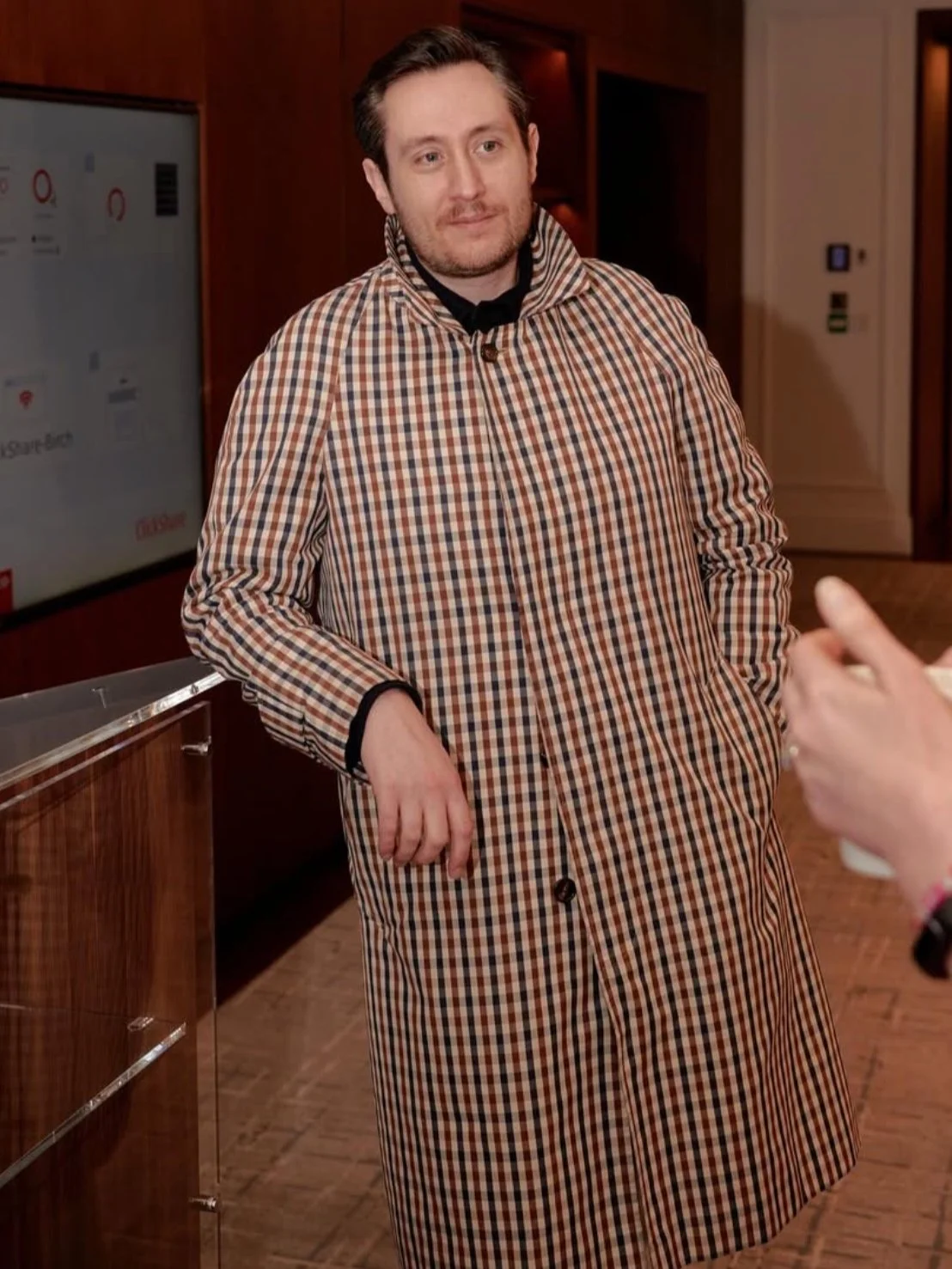
Fashion, design, and fragrance writer based in the UK who connects personal style to larger questions about how we live. Carvell writes with a lens that's become rare — treating fashion not as isolated product but as part of a larger conversation about identity, culture, and meaning. His work demonstrates that today the most important voices often exist outside traditional media structures, bringing fresh perspective to established conversations while proving that independent voices can shape the broader narrative.
Where to find him: Insta @nickcarvell, freelance fashion and design writing
Photo from Nick’s Insta
This roundtable is required watching. Not for the gowns — but for the clarity. Through the eyes of Black creatives, the 2024 Met Gala becomes more than spectacle. It’s a mirror. A conversation about absence, about reverence, about the quiet power of Dapper Dan simply showing up. What unfolds is rare: transparency in fashion, unfiltered respect for legacy, and truth that doesn’t flinch. We care about the systems underneath the shine — and this is that. A real-time record of who’s shaping culture, who’s being erased, and who, defiantly, is still in the room.
This is the kind of fashion conversation we crave. Artist Rachel Jones sits down with Bella Freud for a slow, deep, and disarmingly smart exchange — not about trends, but about texture, feeling, and the long memory of style. From her studio to her wardrobe, Jones reveals how clothes live with us, shape our expression, and anchor us in time. It’s vulnerable without spectacle, intelligent without pretense. Fashion Neurosis consistently delivers more depth, less clickbait — and this episode is proof. If you want to feel more from fashion, start here.
Patrick Grant doesn’t just critique the system — he is doing the hard work to rebuild it. This talk lays out how fast fashion broke our relationship to clothes and community, then proves there’s a better way. Through his locally produced brand Community Clothing, a UK-based social enterprise focused on creating stable jobs and high-quality garments, he’s building something radical that should be normal — and a brand that deserves to exist a decade from now, not just a season. Grant’s UK-based model deserves global attention because it’s not just about clothing.
Twelve hours with Bad Bunny — and not the version engineered for image. This Vogue spotlight surprises in the best way: grounded, candid, and refreshingly real. He names the excess. He questions the machine. And in doing so, he opens a door. When someone with global reach speaks this plainly about overconsumption and responsibility — inside one of fashion’s most conventional spaces — it signals something shifting. This isn’t performance. It’s awareness. And it makes one thing clear: having these conversations at scale isn’t far off. It’s here.

Exploring is how we understand the world better. This time: our first area guide, weekend escape, and stay review — with profiles, more guides, and residencies in the queue.







Image from @richardhartbaker instagram
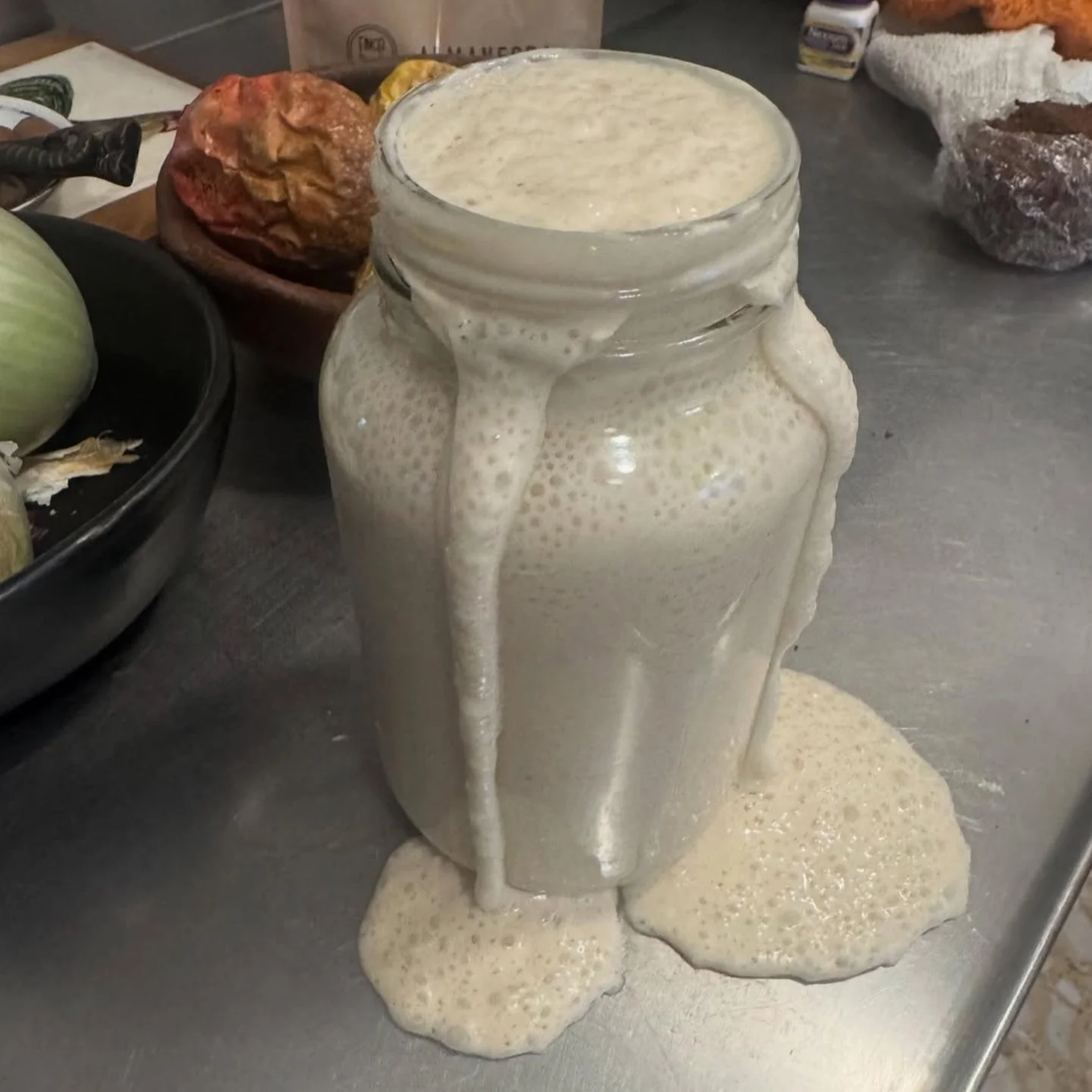
Image from @richardhartbaker instagram
When a New Book Changes How You Think About an Ancient Craft
The introduction to Richard Hart's Bread speaks directly to anyone who's felt intimidated by the precious mystique surrounding sourdough, while revealing an inspiring philosophy about sourcing and agriculture that runs throughout his work. Hart, whose journey spans fine dining on multiple continents—from London's Maze under Jason Atherton and Bistrotheque with Carl Clarke, to California's innovative Ubuntu in Napa Valley with Jeremy Fox, before honing his baking craft at Della Fattoria in Petaluma and rising to broader recognition as head baker at Tartine Bakery during his seven-year tenure there mastering naturally leavened bread—brings this wealth of experience to this book, Hart Bageri in Denmark, incubated within the NOMA universe, and his nearly-open new bakery Green Rhino in Mexico City.
Hart approaches sourdough with an intuitive philosophy that strips away the anxiety often associated with this ancient craft. More than delivering a library of world-class recipes that will improve your life indefinitely, he's teaching you a language—the fundamental understanding that transforms sourdough from mysterious alchemy into something beautifully ordinary. QR codes throughout the book provide direct access to his techniques in action. Follow his World—For the most direct access to Hart's world and thinking insta is @richardhartbaker.
Beyond the Book: See How Simple It Can Be for Yourself
This video captures Richard Hart making rye bread with Andy Hearnden (@andy_cooks), the YouTube chef and longtime New Zealand culinary talent. Pay attention at 2:40—Hart shares a spectacular insider secret about sourdough starter that's not even in the book, plus you'll get his rye bread recipe in the video notes.
Where to Find the Book on-line & IRL
Richard Hart Bread is available from Bookshop.org.
Our favorite cookbook destination globally is Now Serving in Los Angeles, founded by Ken Concepcion and Michelle Mungcal. If you're in LA, visit them, attend an event, and buy this book with Richard's signature. They also offer discounted shop-worn copies—a practice we love that reduces waste while benefiting their business and giving consumers copies that look how they would after a use or two anyway.
Michelle, whom we've known for decades from her previous life as an exceptional makeup artist for fashion shoots, and Ken have built a thriving community around supporting local culinary culture.
Our Cookbook Philosophy
Cookbooks transform homes, making daily life richer and more intentional. But the sheer volume available requires deliberate curation. Our approach:
Borrow first through your local library or their digital platform
Buy only what we love and know we'll actually use—either digital or physical from Bookshop.org
Choose physical copies only when we genuinely love the book enough to commit space to it
Library Resources: New York Public Library and Los Angeles Public Library have particularly strong culinary collections. If you're not in those cities—most major library systems globally offer excellent cookbook access or the ability to request titles in many cases.
Bookshop.org is our primary choice for ebooks and physical books in the US and UK. We love how they focus on supporting local bookstores, how they give back to independent booksellers, and serve as a vital alternative to Amazon's sector-destroying approach.
Local Independent Bookstores that prioritize community building and future-friendly practices are always worth supporting—they foster meaningful connections while keeping local economies thriving.
For Global Digital Access: Apple Books offers worldwide ebook availability with strong environmental commitments, improving labor practices, and robust privacy protections, making it our preferred choice for international digital access when local options aren't available. For Android users, Google Play Books provides the widest global access.



Dancing tops our must-do-more-of list this summer.
Everyone needs more dancing in their lives right now. To facilitate this, we've curated playlists from some very cool folks. So many talented thinkers and brands put together fantastic playlists—you want us curating, not creating them, we promise.
LENITA is a very cool flower shop in Los Angeles run by, Nemuel DePaula, a talented floral designer/art director from Brazil. He's a community builder with an eye that makes what you see better—no matter what it is. Playlist by Zenaida Zamora—an artist working primarily with photography and performance.
Evenings at Da Aurelio will transport you to the dining room of the newly reimagined restaurant at La Posta Vecchia, a magical luxury hotel that also happens to be leading the sector in impact programs and is a short drive from Rome. A review of sister property Mezzatorre is landing this month.
Zebra Room's playlists will have you convinced you're sipping very good Japanese whisky in a small, perfectly appointed room down a little alley in Tokyo.
Loewe x Paula's Ibiza is from a few years ago but we just can't quit it—a go-to background for cocktails, dinner, late night, by the river, at the pool. List by Gray Sorrenti: gardener, photographer, DJ, model.
Our Streaming Pick—All these playlists live on Spotify, and we don't F with Spotify if we can avoid it. If you are on their platform these will be seamless; if not, we've got a solution for fee-free migration to your preferred platform—we've tested Song Shift for iOS and it's simple and fast for transferring playlists from Spotify to other platforms. Soundiiz is the Android equivalent that comes highly recommended (full disclosure: we haven't tested this one). You'll need at least a free Spotify account to save the playlists before you transfer them.
For streaming, we've found our sweet spot with Apple Music. Beyond the key factor of paying artists 4x more than Spotify (22% less than comp topping TIDAL), Apple demonstrates better ethics across the board—stronger environmental commitments, improving labor practices, and robust privacy protections. They combine this with an expansive catalog, thoughtful editorial curation, playlists, channels, and live events.
While TIDAL pays artists the most, it has practical limitations—a less integrated library, weaker curation, and in two years of testing, no one ever shared a playlist we could use without migrating. Layer on recent corporate decisions by parent company Block, there are growing concerns about TIDAL's long-term commitment to music.

Your perspective changes radically when you think about a pair of jeans throughout its whole lifespan. Imogene + Willie's natural indigo Cotton Project proves that well-made denim is an investment in regenerative agriculture, American manufacturing, and circular fashion economics.