
Dispatch 002

Yucca Valley, CA
Welcome to Dispatch 002,
The heat is on in the Northern Hemisphere, the buck moon is waning, and we're moving fast. This month's dispatch is packed with updates, additions, and discoveries we can't wait to share.
What's Inside
Travel — Woodstock Way Hotel review plus a game-changing discovery: a new platform cataloging chef residencies and pop-ups globally. We've also overhauled our guide format (yes, already) — browse by category, dive into our interactive map, book directly. Less back-and-forth, more discovery.
Conversations — Rachael Petach breaks down her path to here and why we’re obsessed currants. First in our ongoing series with people reshaping how we think about food, culture, and systems.
Culture — Media Diet expands: make it ART. The voices worth following, where to find them, and why they matter now.
Food — Michelin Green star restaurants proving zero-waste works. A podcast that will change how you see broccoli forever. Lacto-fermentation demystified, plus the one tool that makes it foolproof. Our favorite high-protein pancakes (we're never without them now).
Home — The non-toxic cleaner we make from kitchen waste. Simple, effective, and our tried-and-true favorite.
Style — More voices added to our fashion journalism edit. Miu Miu's upcycle world and their new film worth your time. Truly transformative sneaker tech from On Running. An intro to KowTow—the unicorn brand actually doing regenerative and circular right. Plus our first pre-owned style edits: look fantastic, spend less, keep value.
How This Works
You don't need to read all of this at once. This dispatch lives on—the only urgency is how much it helps you along the way. Come back daily, weekly, monthly. We'll be working away building what's next.


We’ve re-imagined our travel guide format…
And it is live, first pass for the Kingston area guide with over 90 spots from lodging to hiking and everything in between. Fully reviewed by section the sections below, just hit the + next to the location title, you can also reach each category by clicking the buttons below (there’s a version in the guide as well). Our embedded interactive map is below the category breakouts and has photos, reviews, and direct links out to more information plus directions and using the side menu you can sort too many ways to list.
We would love your feedback as we set out to begin publishing a flurry of new guides. Love something? hate something? Want more of something? email to: concierge@canava.co
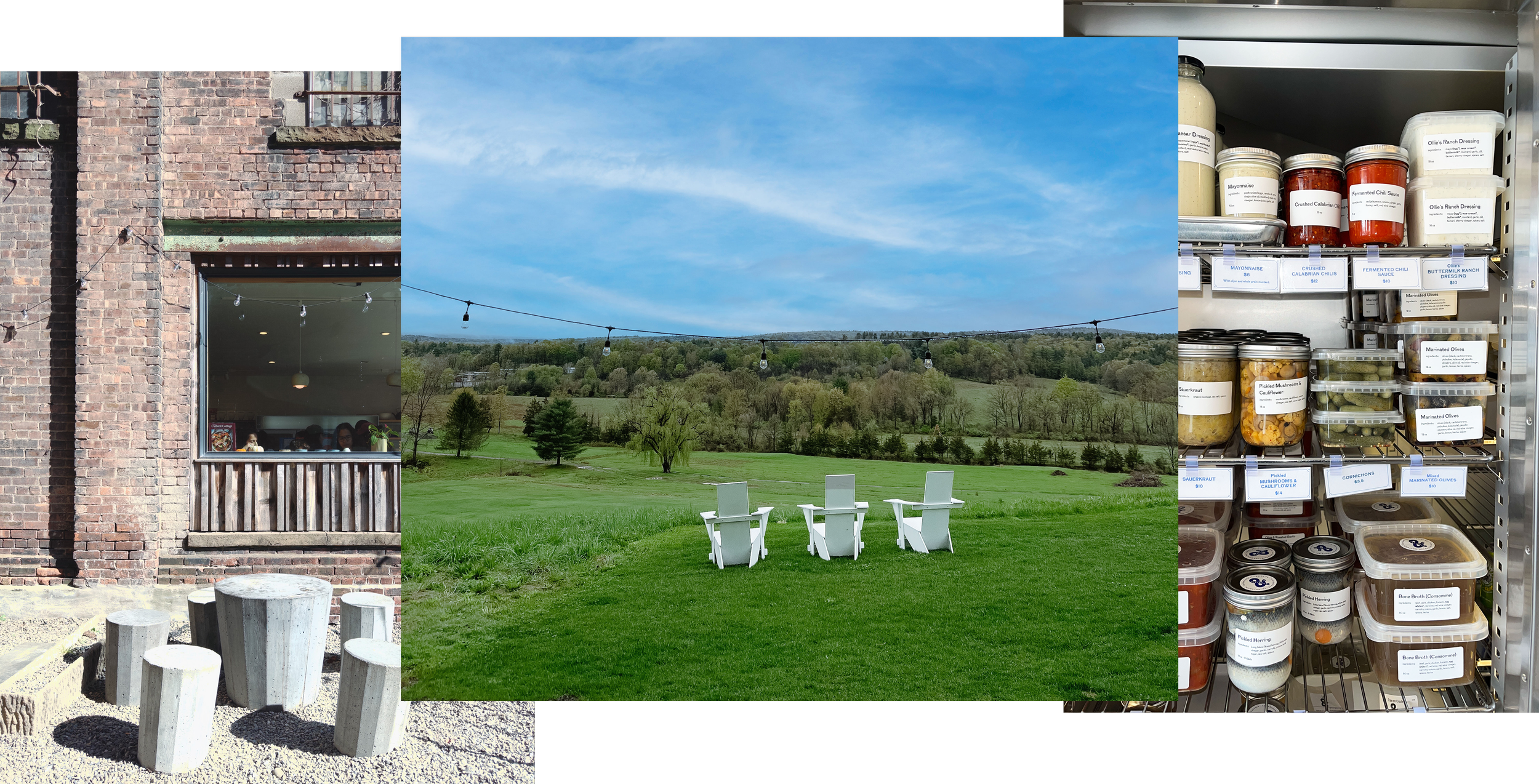
A couple of new Upstate spots reviewed below Little Goat & Club Sandwich. Both worth a drive if you’re in the area. Explore the new guide here →




-
Farm-focused finesse in an 18th-century frame
Little Goat operates with the same thoughtful depth of thinking that made Inness a destination—Erin Winters and Taavo Somer have transformed a historic Rhinebeck townhouse into summer 2025's new must-go-to spot.
Calacatta Viola marble bar, Josef Frank pendant lighting, and tactile details that create warmth. The farm-focused menu highlights vegetable-forward dishes, housemade pasta, and artisan flatbreads that showcase Hudson Valley producers with technique that elevates without overwhelming. The spelt olive oil cake delivers the kind of ending that makes you plan your return visit before leaving. Cocktails are a hard yes—the carrot-sumac tequila drink particularly.

-
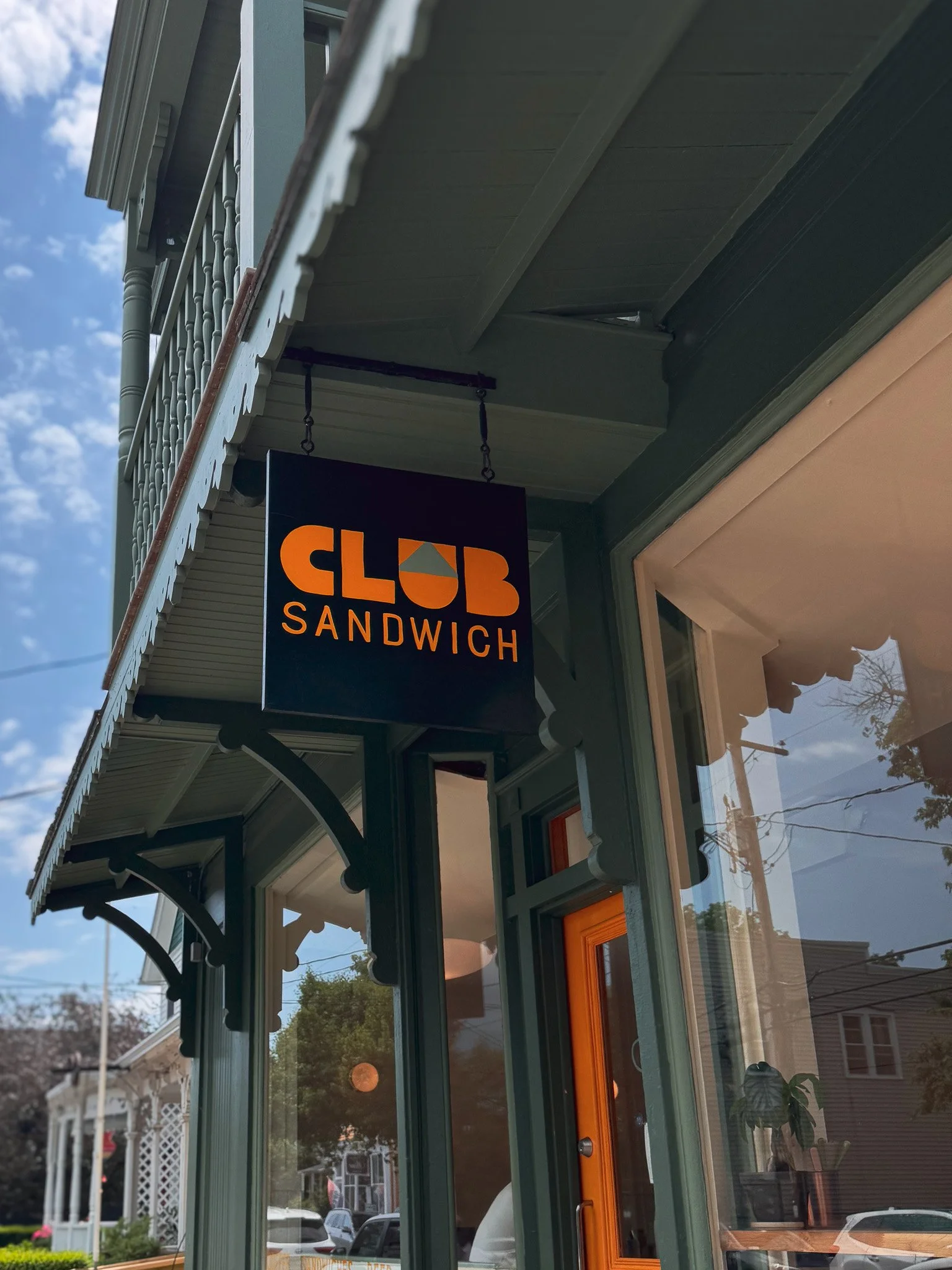
When the co-founder of Fortunes Ice Cream decides to expand beyond scoops, you pay attention. Lisa Farjam and Anna Morris have engineered Tivoli's newest essential—a café, market, and gathering place that feels like the village living room you didn't know you were missing. Farjam brings her proven understanding of what locals crave.
The Club Club sandwich justifies the entire operation if our first experience is any clue—double-decker perfection with marinated chicken, bacon, peppadew aioli, and coleslaw that transforms lunch from routine to revelation. The whole menu is familiar but deep and different at the same time. Very craveable.
The thoughtfully curated market section means you can stock up on essentials. Patio seating extends the experience beyond four walls, while grab-and-go options abound.
DELICATESSEN.DEV
Pop-ups are everywhere in the world of food, and we're here for it. It means new ideas and venues that are being maximally used—efficient, cool, and delicious. Sign us up.
This global directory tracks the best temporary dining experiences as they happen around the world. The listings are constantly changing, making it a useful discovery tool for finding what's happening in your city or when you're exploring somewhere new. The platform is free to use.
Find current listings and highlights at www.delecatessen.dev and @delicatessen.dev
Current coverage: New York, Los Angeles, London, Paris, Copenhagen, Madrid, Boston, Bangkok

How we make sense of a world in transition.
Media Diet is our ongoing filter for who’s telling complete stories across industries — not just recycling press releases or protecting access. Our Media Diet tools will grow and expand. We’ll add blogs, podcasts, longer reads. The principles will stay constant: transparency, innovation and education that centers consumers, stakeholders, and the planet simultaneously. The people leading tomorrow’s conversation are already here — they’re just not always the loudest voices in legacy or new media.
Art World Edit
Art shapes how we see, think, and move through the world.
Art isn't decoration or an investment strategy—it's the language we use to process beauty, identity, power, and change. It's how cultures preserve memory, challenge assumptions, and imagine different futures. When art access is restricted to insiders or reduced to market speculation, we lose one of humanity's most essential tools for understanding ourselves and each other.
The voices we follow are pulling up the curtain on the art world's opaque structures, asking the hard questions, and doing the good work of making insider knowledge accessible. They're building bridges between expertise and public engagement, proving that transparency strengthens rather than weakens the cultural conversation. These journalists, critics, and publications refuse to play gatekeeping games—they're expanding access through honest criticism, fearless reporting, and genuine education.
We're expanding our coverage to museums, galleries, and cultural institutions where some of the most inspired minds are creating and curating the work that shapes our time. Direct access to the art and the people making it matter.
Collectively these are the voices reshaping how we think about art's role in daily life. They understand that art literacy isn't luxury—it's necessity. And they're generously sharing what they know so that art can do what it does best: help us see the world more clearly.
Carrie Scott

📷 from Carrie’s Insta
-
Art is culture. Art is power. Art is the language we use to make sense of beauty, identity, and change. But for too long, the art world has operated behind velvet ropes and insider codes, keeping most people on the outside looking in.
Carrie Scott is changing that equation.
Scott embodies our belief that expertise should expand access, not restrict it. She's doing the difficult work of remaining deeply embedded in the art world while actively opening doors for others. Her approach to curation and consulting proves that transparency doesn't compromise quality—it enhances it.In a sector often criticized for elitism and opacity, Scott represents a different path forward: one where knowledge is shared, barriers are dismantled, and art becomes a force for broader cultural engagement rather than exclusive social signaling.
-
Scott isn't just another curator with good taste—she's an English-American art historian, TV presenter, and force of nature who's spent nearly two decades building bridges between the art world's exclusive inner circle and everyone else. As founder of both Carrie Scott & Partners (2008) and the groundbreaking platform Seen (2024), she's proving that transparency and accessibility don't diminish the art world's magic—they amplify it.
-
Radical Transparency: While most art advisors operate in whispered conversations and private sales, Scott builds in public. Through Seen's membership platform, she offers real-time market insight, honest collecting advice, and jargon-free education. She's literally democratizing information that was previously available only to insiders.
Cultural Bridge Builder: Scott has curated major exhibitions (including "A Shade of Pale" featuring over 470 photographs), directed galleries in Seattle and New York, and served as Director and Curator for Nick Knight's archive. But she translates this high-level experience into accessible content—from Instagram posts to WhatsApp groups for Seen members.
Systems Thinking: Understanding that the art world's gatekeeping serves no one, Scott has built Seen as a membership community with different tiers for friends (art-curious), artists (career support), and collectors (market insight). It's education, provocation, and genuine community building.
-
Cultured Magazine
📷 from Cultured Magazine’s Insta
-
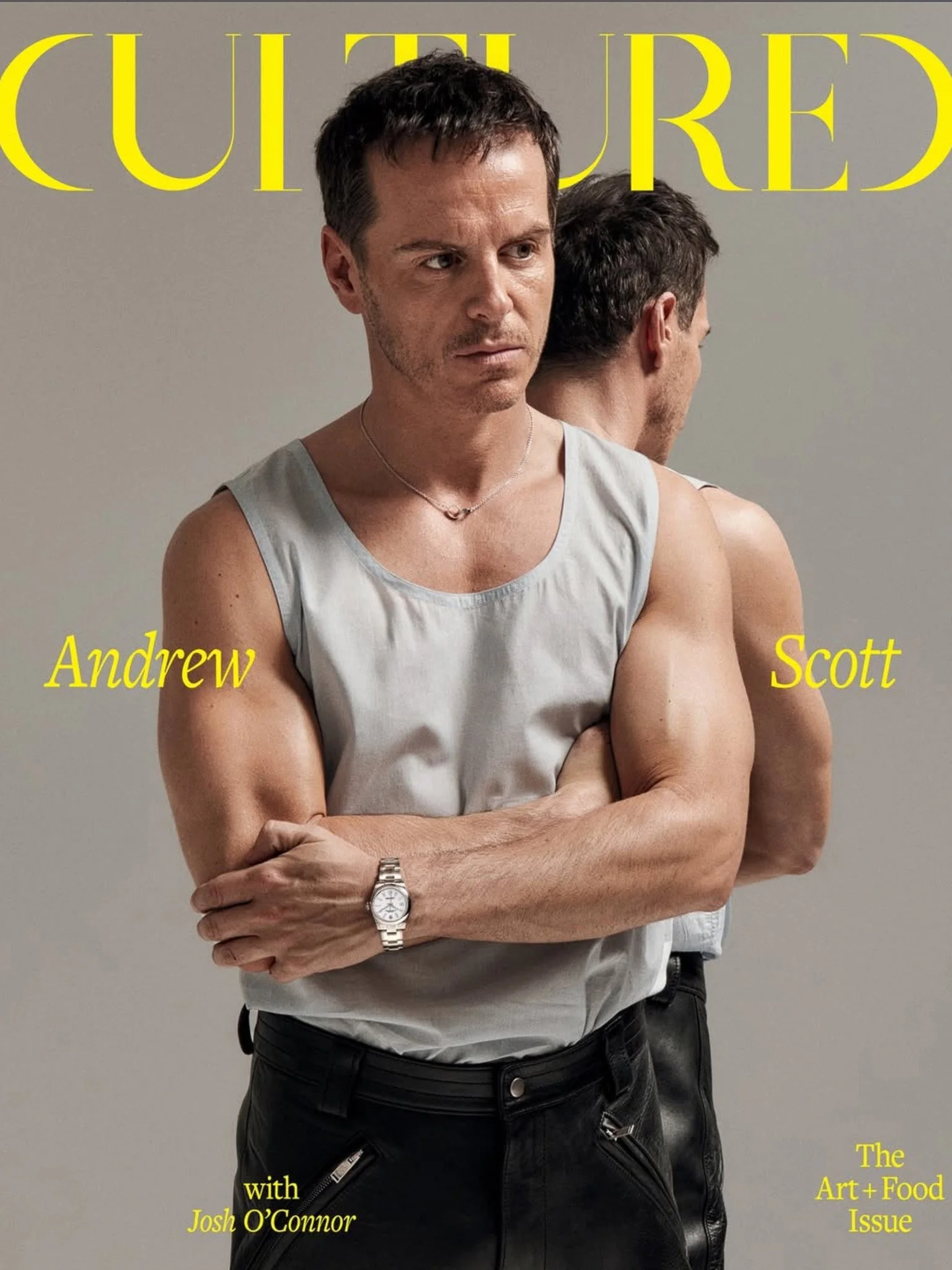
Cultured Magazine does something increasingly rare: it bridges worlds. Founded in 2011 by Sarah Harrelson, this independent publication has carved out essential territory at the intersection of contemporary art, design, and culture—making the art world more accessible while maintaining depth. This is one of the few complete publications we recommend.
Cultured represents what art media can be when it serves discovery. They're building cultural literacy—exactly the kind of systems thinking we value. Their commitment to emerging talent and cross-disciplinary coverage aligns with our belief that the future belongs to those expanding the conversation. While their lifestyle coverage leans VERY heavily on celebrity, their art content delivers the substance that makes them worth following—proving that independence and influence can coexist when publications prioritize discovery over gatekeeping.
-
Cultured occupies crucial middle ground in today's art media landscape. They consistently deliver genuine discovery, cross-disciplinary thinking, and coverage that serves both industry professionals and culturally curious readers. Their approach to democratizing art discovery creates ripple effects throughout the cultural ecosystem.
-
Talent Discovery Engine: Cultured's annual "Young Artists," "Young Collectors," and "CULT 100" lists have become definitive guides to who's shaping culture. They identify emerging voices before they become widely recognized—positioning readers ahead of trends.
Cross-Disciplinary Vision: Cultured deliberately breaks down silos between art, design, fashion, and film. This interdisciplinary approach reflects how culture actually works—as interconnected systems.
Contemporary With Depth: They tackle cultural criticism alongside accessible features, proving that intellectual rigor and broad appeal enhance each other—substance meets cultural relevance.
Independent Editorial Voice: With 50,000+ print subscribers and partnerships with major luxury brands, Cultured proves that editorial independence and commercial success can coexist when publications prioritize substance.
-
Website: culturedmag.com
Print: Five issues annually
IG: @cultured_mag
Special Focus: Annual lists, art fair coverage, and exclusive cultural event access
Adrian Searle
Annie Armstrong

📷 from The Guardian
-
Adrian Searle occupies a unique position in the art world: he's the ultimate insider who maintains an outsider's edge. Since 1996, this Guardian art critic has wielded significant influence over British contemporary art discourse, shaping institutional conversations and artist reputations with equal measures of sharp wit and rigorous analysis. What makes Searle essential isn't just his establishment credibility—it's his refusal to let that status make him complacent.
Originally a painter who exhibited widely before choosing writing over making, Searle brings a creator's understanding to his criticism. His background as both artist and educator (teaching at Central St Martins, Chelsea, Goldsmiths, and serving as Visiting Professor at the Royal College of Art) gives him rare dual perspective. When he writes, he's speaking from inside the system while maintaining critical distance from it. His curatorial work at major institutions like the Serpentine Gallery and Hayward Gallery, combined with his jury service for the Turner Prize, positions him as someone who doesn't just observe the art world—he actively shapes it. This is exactly the kind of informed, engaged criticism we value: deeply knowledgeable yet unafraid to challenge both artists and institutions when they fall short.
-
Searle demonstrates that establishment criticism can remain vital and challenging. His reviews range from blockbuster exhibitions to fringe shows, always providing context that connects contemporary work to broader cultural themes. He's unafraid to be blunt when work disappoints him or deeply supportive when it deserves recognition.
-
Fearless Honesty: Searle's willingness to deliver harsh verdicts (calling Jim Shaw's work "awful, indefensible, crapulous" or noting that Damien Hirst "lived his career backwards") alongside genuine advocacy shows integrity over access protection.
Creative Sensibility: His background as an artist and occasional fiction writer brings literary depth to his criticism. He infuses reviews with personal, sometimes poetic observations that elevate art writing beyond mere evaluation.
Institutional Influence: His reviews can significantly impact artists' careers, museum acquisitions, and broader discourse around contemporary art. When he advocates for work like Chris Ofili's The Upper Room, institutions listen.
Establishment Access with Independent Voice: Despite his decorated status (Chevalier de l'Ordre des Arts et des Lettres, multiple honorary degrees), Searle maintains critical independence, ensuring his writing serves art rather than politics.
-
Primary Platform:The Guardian

📷 from Annie’s Insta
-
Annie Armstrong is doing something the art world desperately needed: she's making insider knowledge accessible through wit, courage, and damn good reporting. Since joining Artnet News in 2021, this New York-based journalist has transformed art world reporting from whispered rumors into sharp cultural criticism. Her weekly "Wet Paint" column doesn't just report what's happening—it reveals why it matters and who's really pulling the strings.
Armstrong represents a new generation of art journalists who refuse to play by the old rules of reverence and access protection. She's building transparency through humor, making the art world's power dynamics visible while fostering genuine community in an industry known for opacity. Her approach aligns perfectly with our belief that insider knowledge should expand access, not restrict it. When she exposes the art world's unregulated aspects or breaks down emerging market trends like "red-chip" art, she's doing the essential work of demystifying systems that have operated in shadows for too long. Armstrong proves that the next generation of art journalism can be both irreverent and essential—she's building the transparent, engaged art community the world needs, one honest column at a time.
-
Armstrong brings authentic insider access without the typical art world pretension. Her reporting combines behind-the-scenes scoops with cultural critique, making complex market dynamics understandable for both industry professionals and curious outsiders. She's creating community through transparency—exactly the kind of journalism the art world needs.
-
Fearless Reporting: Armstrong's "Wet Paint" column delivers original scoops and sharp commentary on the personalities and power plays shaping the art industry. She's unafraid to call out bad behavior or expose the social dynamics that drive market decisions.
Generational Voice: Writing for The New York Times, New York Magazine, and GQ alongside her Artnet work, Armstrong speaks to younger collectors and professionals who want honesty over reverence. Her coverage often sets the agenda for art market discussions among emerging voices.
Cultural Translation: She makes the art world's insider culture accessible without dumbing it down. Her work bridges professional insight with public understanding, fostering engagement rather than exclusion.
Community Building: Through her columns and social media presence, Armstrong creates connections in an industry often seen as impenetrable. She's proving that transparency builds stronger communities than gatekeeping ever could.
-
Column: "Wet Paint" at Artnet News
IG: @anniesalright
Features: The New York Times, New York Magazine, GQ
STYLE EDIT—Additions
Hetty Mahlich
SHOWStudio

📷 from Hetty’s Insta by Nick Knight
-
Hetty Mahlich represents everything we want from fashion editorial: depth without pretension, knowledge without gatekeeping, and honest analysis without snark. As Editor at SHOWstudio since 2022, this British fashion editor has carved out essential space for serious fashion discourse in an era dominated by regurgitated press releases and surface-level coverage.
Mahlich brings rare combination of academic rigor (History of Art degree from University of Bristol) and industry experience to her work. Whether she's editing platform content or delivering show reviews that rival any critic working today, she consistently treats fashion as what it actually is: a complex intersection of craft, art, and business that deserves thoughtful analysis rather than breathless trend reporting. Her fashion week coverage has become essential viewing—deep, research-driven analysis that helps viewers understand not just what happened, but why it matters and how it fits into broader fashion narratives. This is exactly the kind of informed, engaged editorial voice we value: serious scholarship that serves readers rather than industry gatekeepers.
-
After decades in fashion, we know the truth when we see it—and we learn from Mahlich every time. While most fashion criticism chooses between writing for hire by advertisers and future employers or defaulting to snark, she offers the kind of substantial, contextual analysis that treats readers as intelligent participants in fashion culture rather than passive consumers of gossip.
-
Serious Fashion Scholarship: Her academic background in art history combined with industry experience creates a editorial lens that's both theoretically grounded and practically informed. She understands fashion's cultural significance while respecting its commercial realities.
Essential Fashion Week Coverage: Her recaps across Instagram, TikTok, and YouTube have become must-follow content during fashion weeks. She synthesizes complex collections into accessible analysis without losing depth or nuance.
Industry Authority: Serving on the British Fashion Council NEWGEN Jury 2024 and teaching at Central Saint Martins and Institut Français de la Mode positions her at the intersection of education, emerging talent, and established industry.
Multimedia Expertise: Leading editorial strategy at SHOWstudio, she is responsible for the editorial lens of their fashion films, interviews, and panel discussions that expand how fashion editorial can work in digital spaces.
-
Primary Platform: SHOWstudio
Instagram: @hettymahlich

📷 from SHOWStudio Insta
-
SHOWstudio occupies legendary territory in fashion media: the platform that breaks down the industry's most exclusive walls and rebuilds them as bridges. Founded in 2000 by photographer Nick Knight, this isn't just another fashion publication—it's the digital playground that teaches the fashion world how to embrace technology, transparency, and creative collaboration while maintaining sector excellence.
SHOWstudio represents fashion media's rock and roll spirit—by insiders, for the world. They're not explicitly impact-focused in the way we typically champion, yet their approach to democratizing access fundamentally challenges fashion's gatekeeping tradition. When they broadcast the first live-streamed runway show (Alexander McQueen's "Plato's Atlantis" in 2010) or collaborate with John Galliano at Maison Margiela, Kate Moss, Rick Owens, and Comme des Garçons, they're proving that fashion's future lies in opening conversations rather than restricting them. Their willingness to embrace cutting-edge technology—from 3D scanning to metaverse projects—while supporting emerging talent alongside established icons shows how insider excellence can expand rather than exclude.
-
SHOWstudio demonstrates that sector leadership and accessibility aren't opposing forces. They maintain fashion film's highest creative standards while making behind-the-scenes processes visible and interactive. Their content spans live broadcasts, fashion films, interviews, and critical essays that consistently challenge both past conventions and present assumptions.
-
Digital Innovation Leadership: Pioneered fashion film as a medium and continues pushing technological boundaries through metaverse exploration and NFT projects. They consistently set standards that become industry norms.
Transparent Access: Revolutionary live broadcasting from fashion shows and creative shoots opened previously exclusive processes to global audiences, fundamentally changing how fashion communicates with the world.
Creative Risk-Taking: Regular collaborations with both legendary designers and emerging talent prove their commitment to fashion's future rather than just its established hierarchy.
Sector Excellence: Their track record of working with fashion's most acclaimed voices while discovering new ones demonstrates that high standards and broad access enhance each other.
-
Primary Platform:SHOWstudio.com
Instagram:@SHOWStudio

A New Vanguard: Zero Waste Fine Dining Goes Global
What started in a London warehouse is now reshaping a kitchen in Mexico City. Silo London, the world's first zero-waste restaurant. No bins. No waste. Just transformation and, if you follow their world, a masterclass in possibility.
Chef Douglas McMaster built Silo on a radical premise: if something ends up in the trash, it wasn't designed thoughtfully enough. Every lime peel becomes powder. Every fish bone becomes broth. The restaurant operates as a closed loop where waste becomes the creative engine, not the byproduct.
Now that philosophy is propagating. Baldío in Mexico City—co-founded with McMaster's direct involvement—applies the same zero-waste blueprint to Mexican ingredients and ancestral techniques. Their farms are located in Xochimilco, a UNESCO heritage site, watch this film about how Baldío transforms what others discard into extraordinary dishes while supporting regenerative agriculture networks throughout the region.
This isn't sustainability theater. Both restaurants earned Michelin Green Stars for environmental excellence, signaling that waste-free cooking can reach the highest levels of gastronomy. The movement echoes fine dining's great propagations—how Noma's foraging philosophy spread globally, or how molecular gastronomy jumped from lab to luxury. But this time, the innovation centers on what's not on the plate as much as what is: the packaging that never existed, the scraps that became sauces, the byproducts that transformed into something entirely new.
The most revolutionary dish, it turns out, might be the system itself.
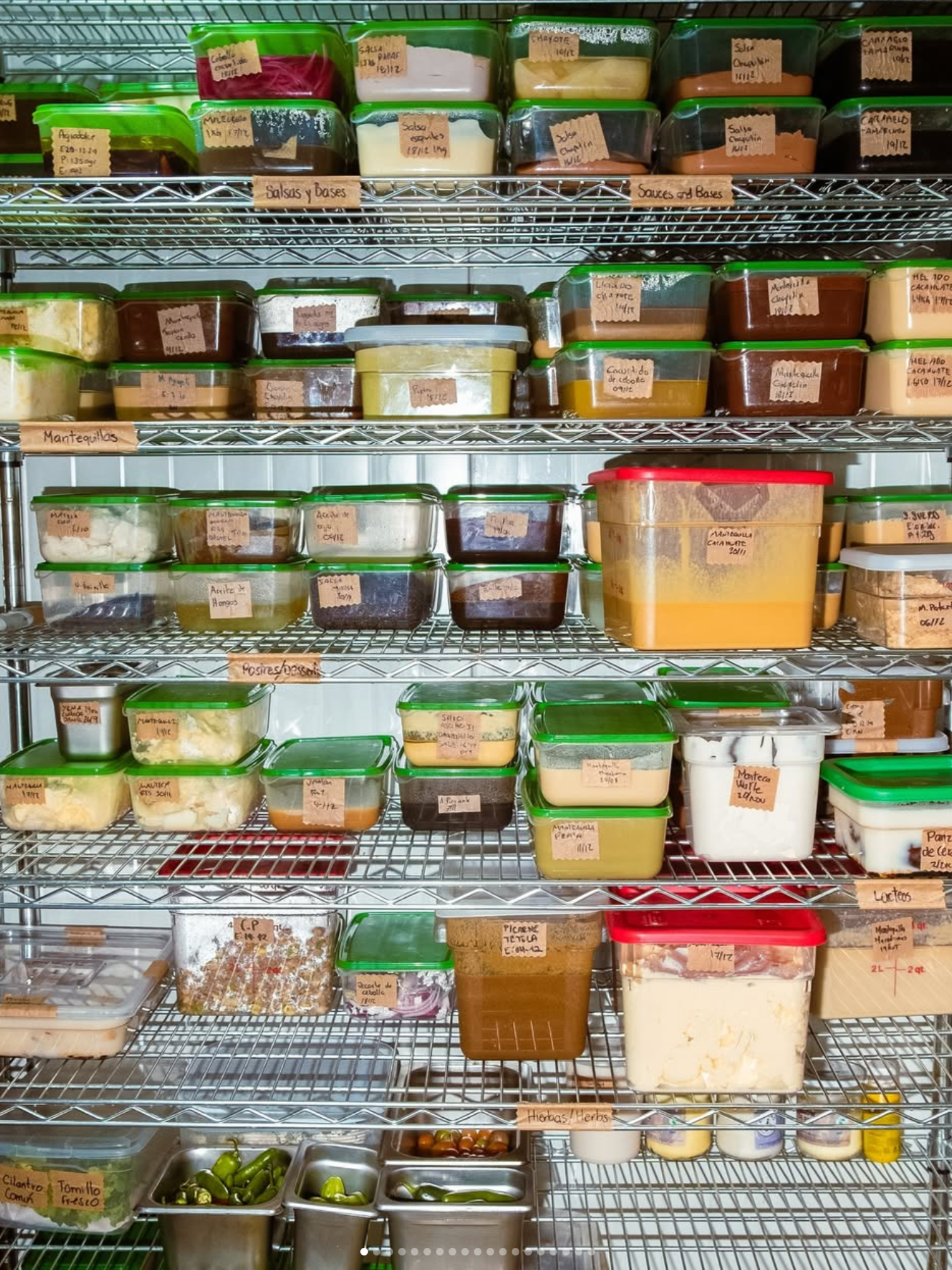
Baldio, Mexico City—📷 from @baldio.mx
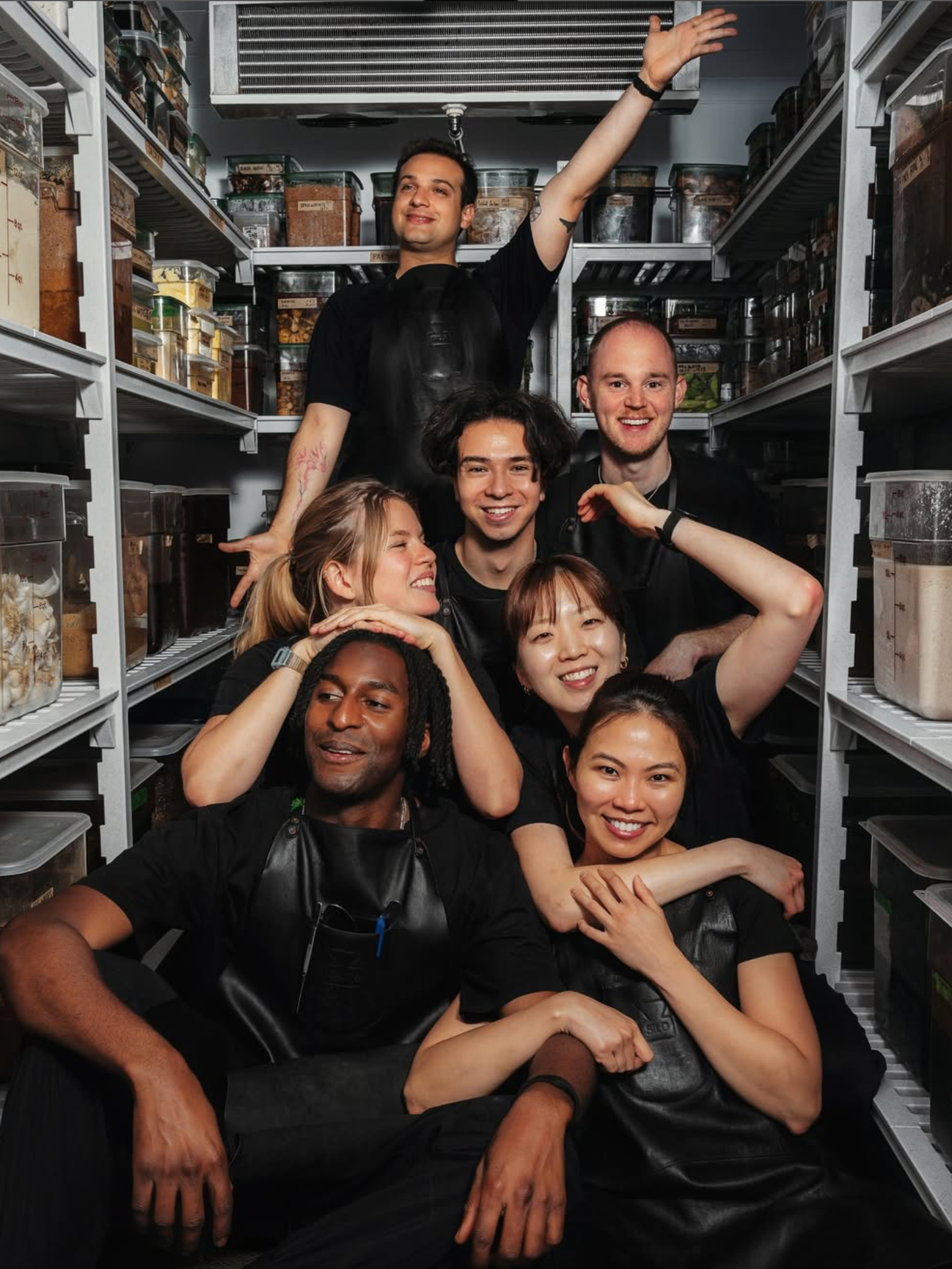
Silo, London—📷 from @silolondon
Lacto-Fermentation at Home
This is simpler than it seems— Our most recent ferment started as green garlic stems headed for compost and became three months of umami-rich paste, pictured here are some in season golden beets that have been dressing up salads and grain bowls for months. The fermentation techniques pioneered at the restaurants above are surprisingly accessible.
Start with simple lacto-fermentation at home—transforming kitchen scraps and seasonal bounty into pickles, probiotics, preserves, and flavor bombs. The same systems thinking that drives zero-waste restaurants can revolutionize your kitchen.
For less than 50 USD you can have a mini fermentation lab that runs 2-3 ferments a month, elevating mealtime, adding gut-friendly biomes and reducing food waste all at once. A 420g jar of lacto-pickled beets costs 12.50 if you can even find them—your gut and your wallet will both thank you.
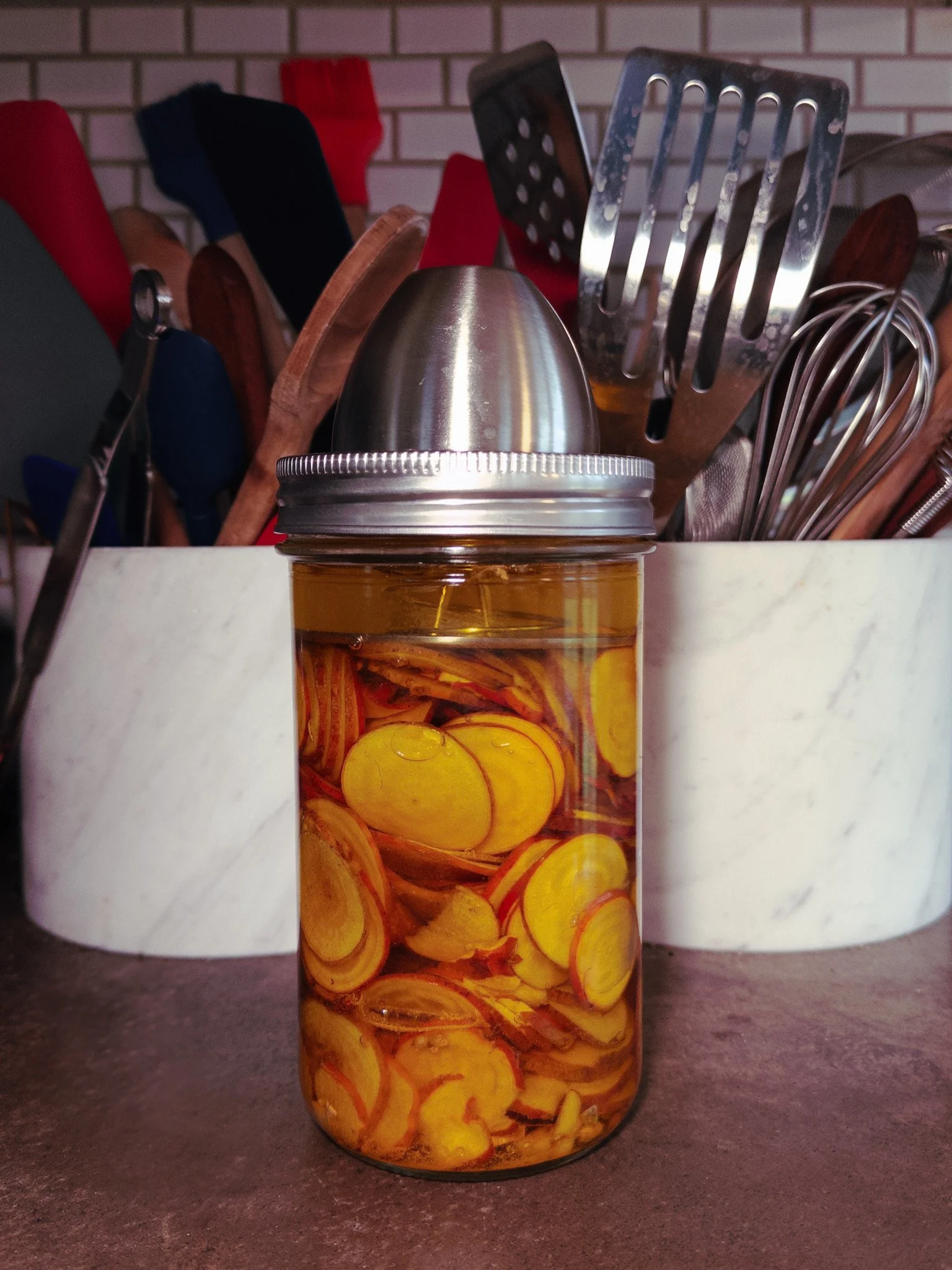

📷 from David’s insta
The Prince of Ferments
David Zilber turns kitchen lab experiments into accessible magic. The Canadian chef-scientist gained his fermentation chops running Noma's celebrated lab in Copenhagen, developing techniques that became the one of the restaurant's creative backbones.
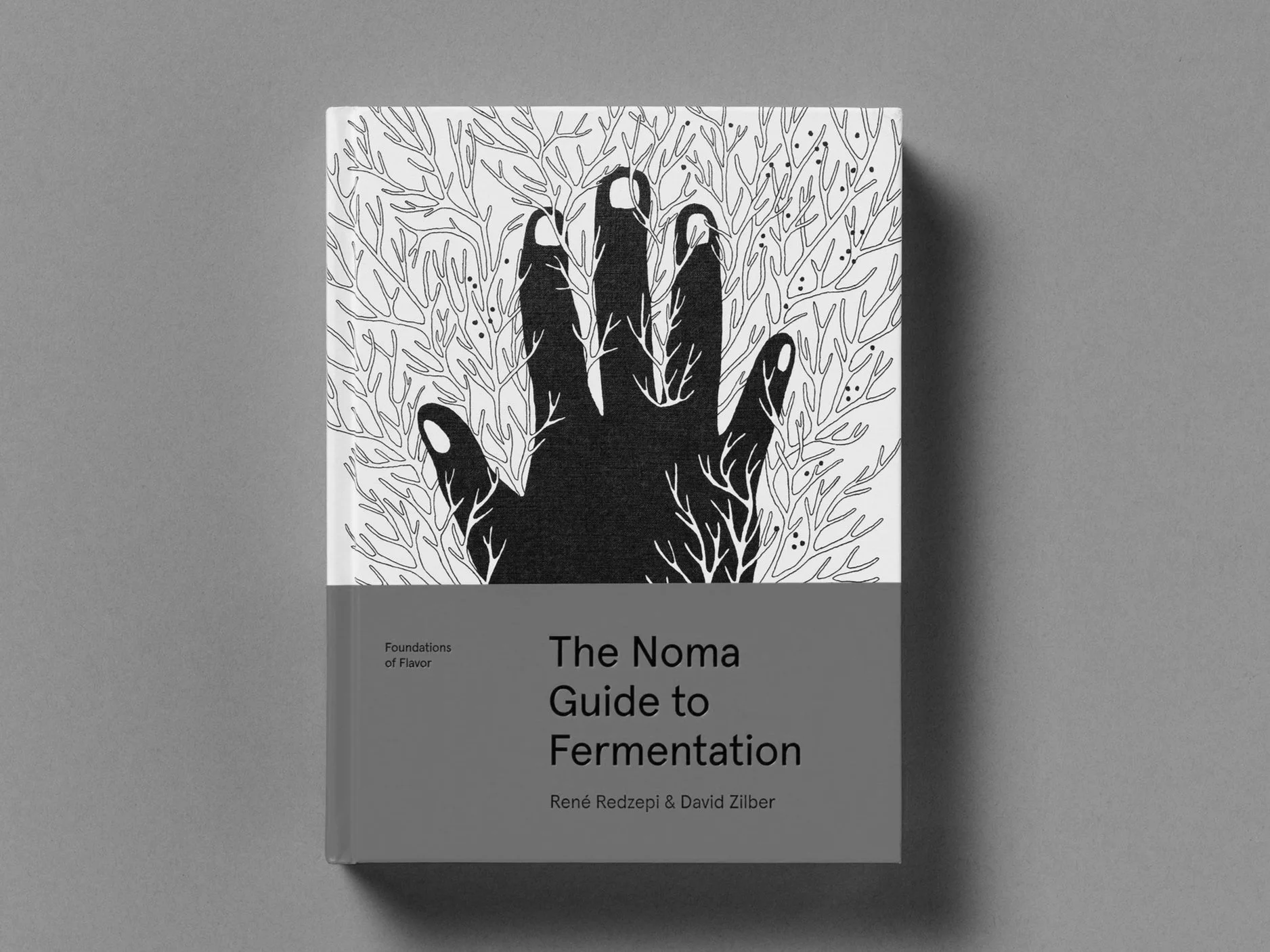
These days he's at biotech firm Novonesis, exploring how fermentation can transform food systems on a larger scale, while hosting fermentation-focused pop-ups and teaching workshops around the globe and showing up on your TV from time to time. His Noma Guide to Fermentation -co-authored with René Redzepi shows how approachable the science can be when explained with genuine enthusiasm. A book worth owning in physical form.
What we love most is how his day-to-day posts reveal how fermentation as a lifestyle is so much more than seasonal scraps become umami-rich treasures. It is the future. He consistently transform simple meals into something special—even when he's cooking for his toddler. Spoiler: we all want to be his toddler.
IG: @davidzibler
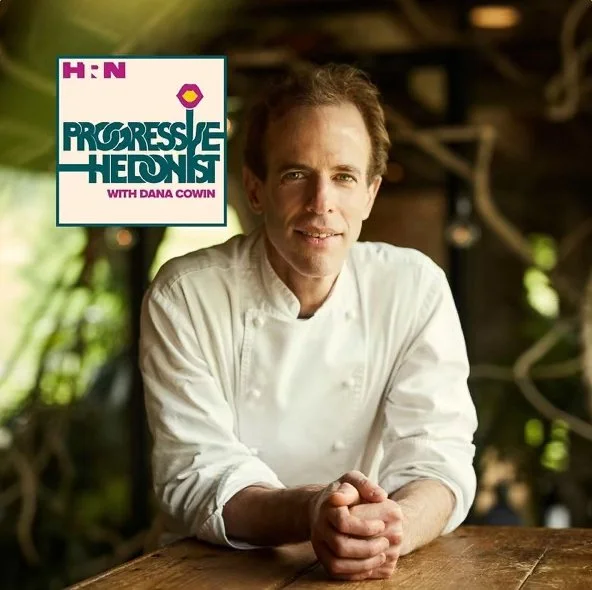
Why Deliciousness Will Save Us: Dan Barber & Dana Cowin—a pod to devour.
This Progressive Hedonist podcast with Dana and Dan will ruin what you think of as broccoli forever—but they'll also hand you the blueprint for solving system-level problems through your daily choices in exchange.
We've known Dan at arm's length for a decade through shared connections, experiencing his fine dining genius while tracking his journey to find flavor—and what he discovered along the way. We’re also lucky enough to call Dana a friend and she is an equal inspiration—a vanguard who, in her more than two decades at the helm of Food & Wine, she plays a foundational role in the evolution of what we know food, farm and restaurant culture to be today.
Both have pivoted to focus on the future of food when neither has to. They're doing the good, hard work because they care, and we know this firsthand. Even after all of our direct contact, we learned so much from this conversation it’s well worth your time. Listen here →.
Read Dan’s NYT Bestseller The Third Plate , grow seeds from Row 7—his flavor-powered future food solution seed company. We grow as many varieties as we can get our hands on, and each one becomes our favorite in its category: tomatoes, spinach, lettuce, cilantro, alliums. All first choices. Find Row 7 produce at Whole Foods (we never recommend anything owned by Amazon, but that's the only spot for Row 7 produce and we love it that much).
Listen to Dana's pod on the regular—it's critical future food education. Follow her day to day @progressivehedonist and show up if she's hosting a dinner near you—they're laboratories for how food can be when humanity and the planet thrive together.
Much more than a food show
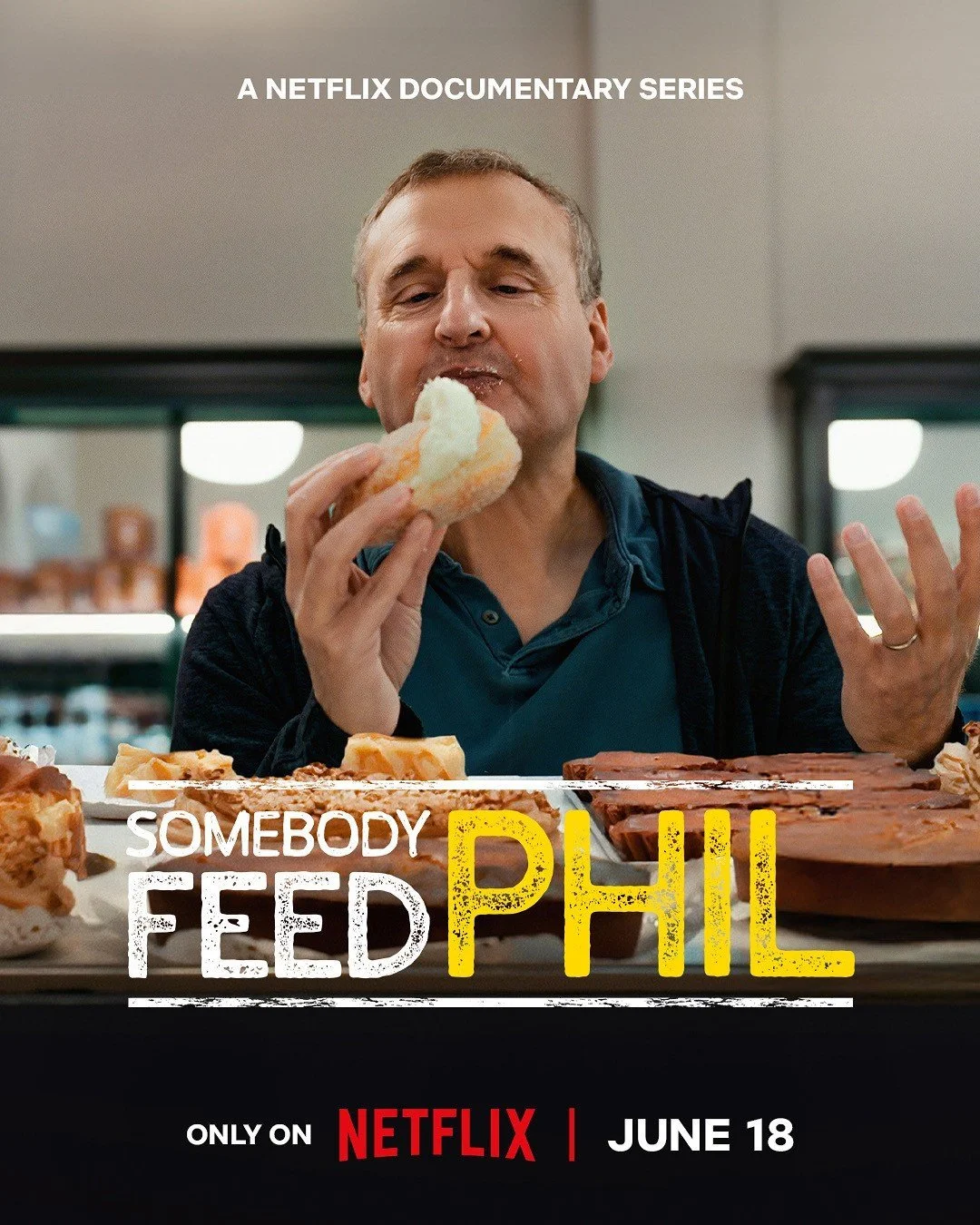
Some people chase the spotlight. Others build empires to buy their way into it. Phil Rosenthal — like Larry David before him — built the spotlight, then stepped into it when most would’ve stepped away. His rise wasn’t inevitable. And yet now, it feels like it always had to happen. Cheerful, curious, quietly catalytic — he’s become a kind of cultural constant.
Somebody Feed Phil, now in its 8th season, is technically a travel-and-food show. But it’s so much more than that. Beneath the jokes, the happy dances, and the comfort food, Rosenthal uses his access to surface some of the hardest questions of our time — climate resilience, immigration, hunger, displacement, cultural preservation — through one of the most connective forces we have: food. He doesn’t need to do this work. But he does. That’s the difference. That’s the green flag.
If our beloved Anthony Bourdain was the complicated older brother who pulled you into the shadows and showed you what was broken, Phil is the generous uncle who invites you to dinner and makes sure you leave full and a bit more empathetic toward others. The show is silly. It’s beautifully filmed (thanks to Bourdain’s former team at Zero Point Zero). It’s smart without showing off. Grounded. Human. Surprisingly good at making big systems feel personal — and possible.
It’s not perfect. But it is a reminder — especially right now — that kindness, curiosity, and levity, paired with access and intention, can still move us forward.

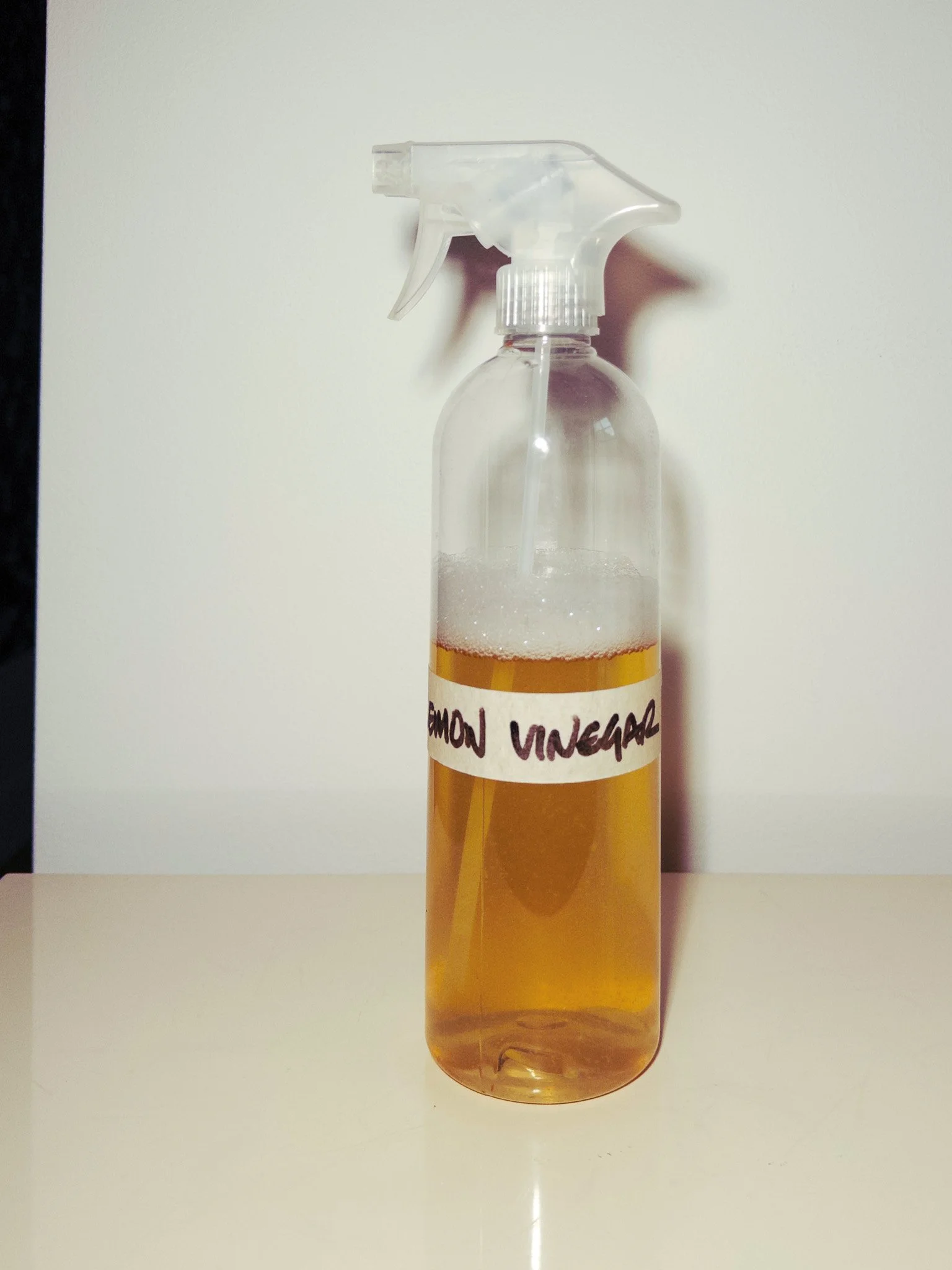
Waste you can clean with
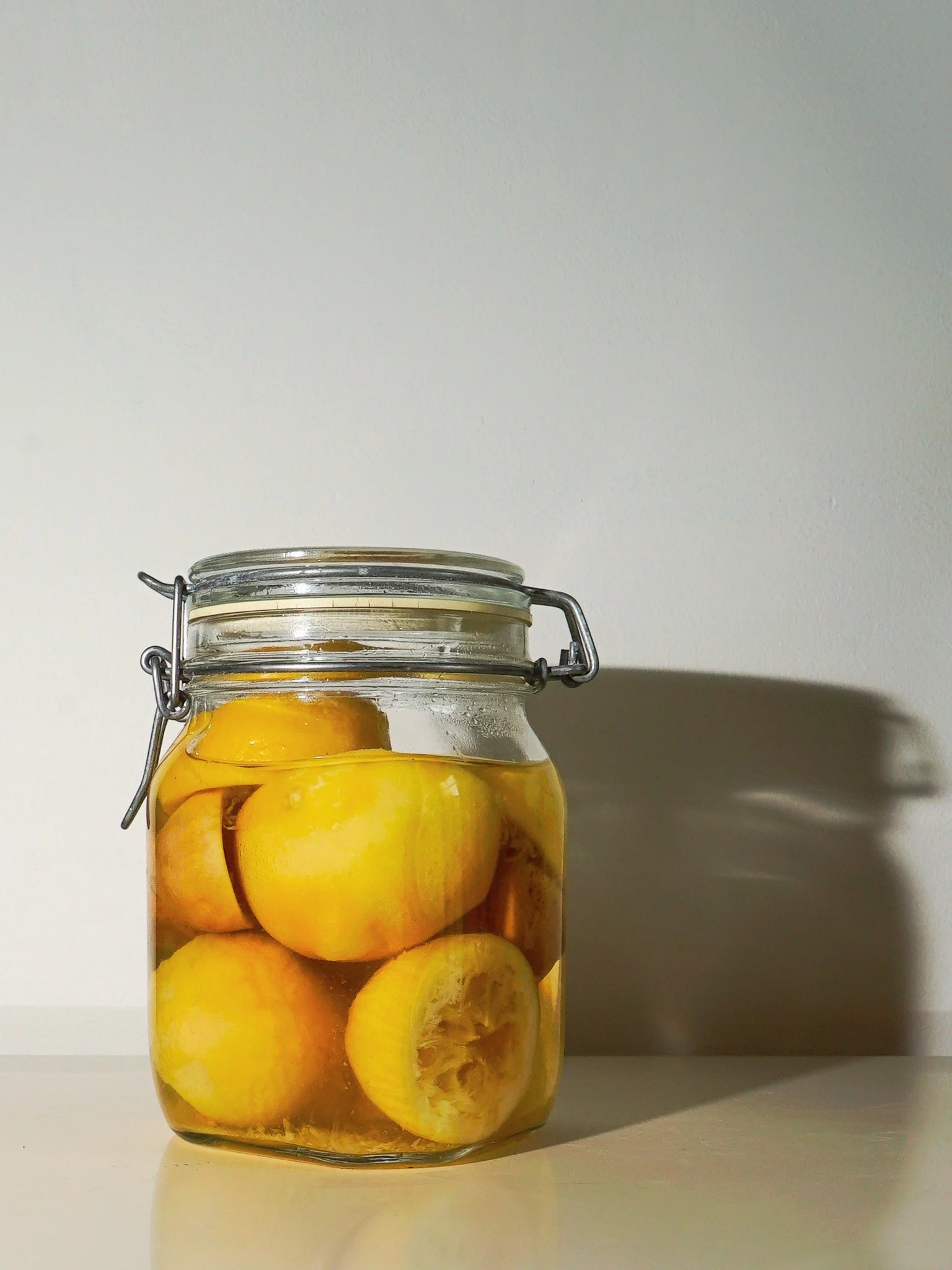
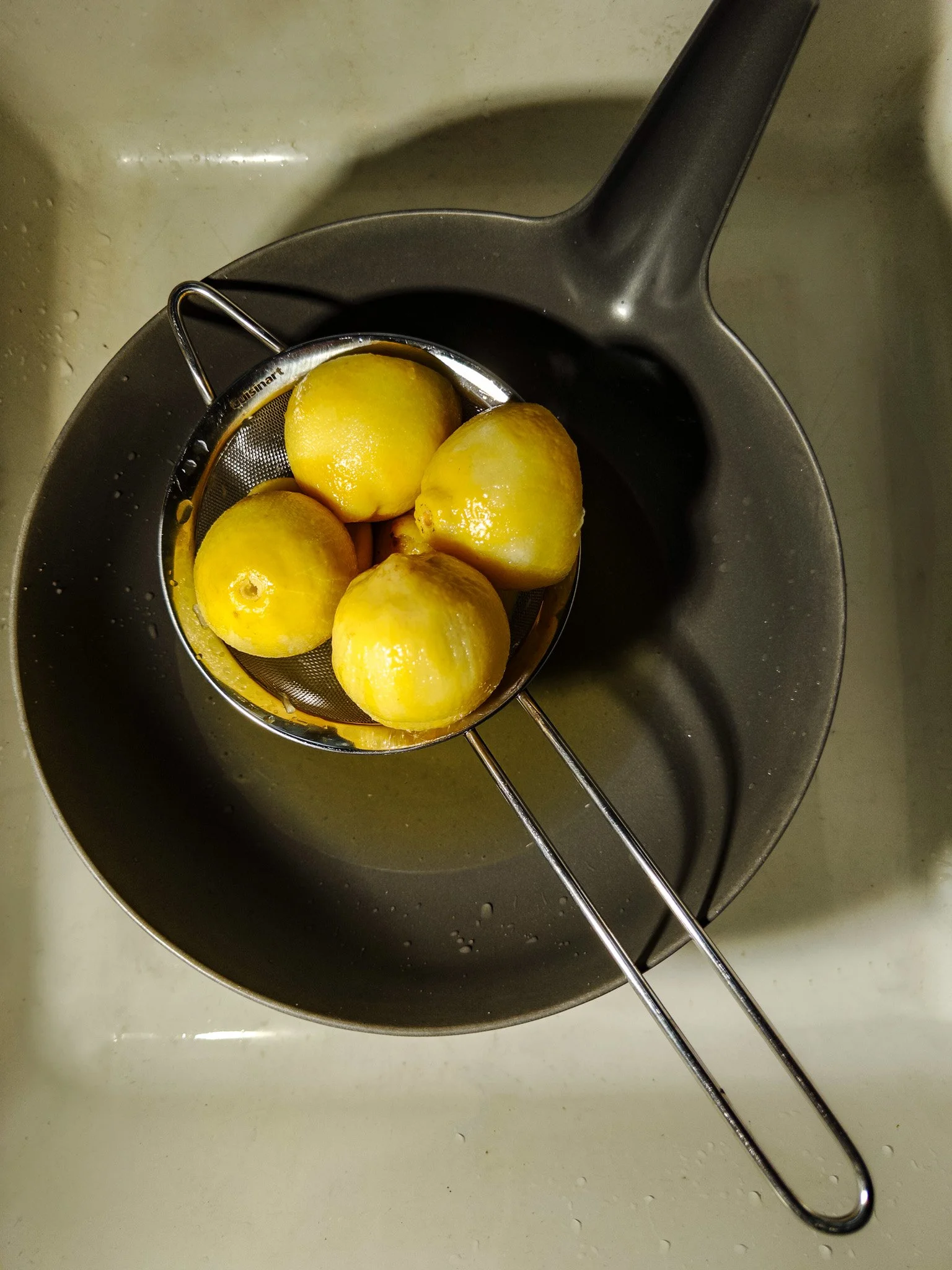
Simple, effective, inexpensive and chic. We've been using this low-effort home keeping system for a year now and swear by it—transforming spent lemons into the most-used cleaner in our house. The lemons you're using day to day can have multiple lives before composting. After zesting and juicing, place those spent rinds in a glass jar, cover with white vinegar, and let sit in a sunny window for two weeks. Strain, refill your spray bottle, compost the fruit. The result cleans as well as chemical filled commercial products while cutting down on single-use plastic, transport impact, toxic chemicals seeping into ecosystems, and food waste simultaneously. We've never looked back.

We're sorry. You're Welcome.
After a dozen iterations, we cracked the code on impossibly fluffy pancakes that deliver 15g of protein per serving—without giving up what we love about comfort food. This is a forever recipe—one we make again and again because we wanted something as convenient as a box mix but we want it to parallel cult-like pancake experiences we've had in Tokyo, Sydney, and New York.
Except in your kitchen and your freezer.
This recipe is a solution for something that's typically not great for you—pancakes—making them work for how we actually want to live. Yes, they're more work than a box up front, but less over time. The experience is exponentially better, and that's before you factor in the nutrition and impact.
They solve the everyday first meal, midnight snacks, breakfast sandwiches, traveling, hiking, weekend hosting…
We make them in batches using sourdough discard and preserved lemon paste which we also batch, plus fresh ricotta. They freeze beautifully, reheat perfectly, and at less than 2 USD per serving, they're a wildly better value than any cafe—plus you know exactly what they're made of.
Housemade Preserved Lemon Paste
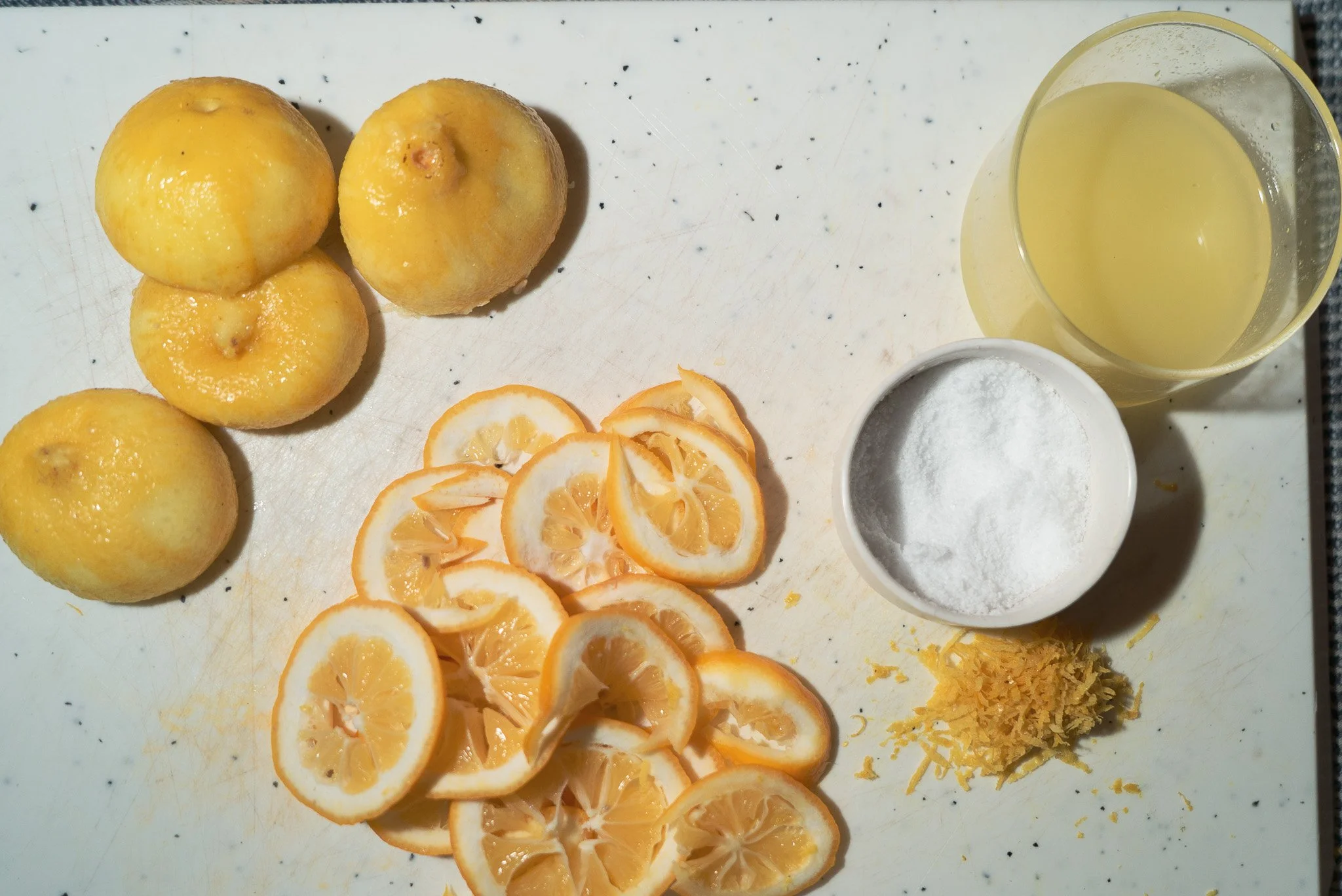
Ottolenghi's preserved lemon paste is a genius hack that gives you all the bright, complex flavor preserved lemons bring to dishes—and it takes just 25 minutes of mostly passive effort using fresh fruit. We always make a double batch.
No need to wait months for lemons to cure (we've never actually succeeded at that process anyway) or buy, store, and sort through jars of lemons shipped from far away. We use it in and on pancakes, in grain bowls, stirred into hummus, in dressings, and syrups and pretty much everything else.

📷 from On Running website
When Innovation Meets Intention
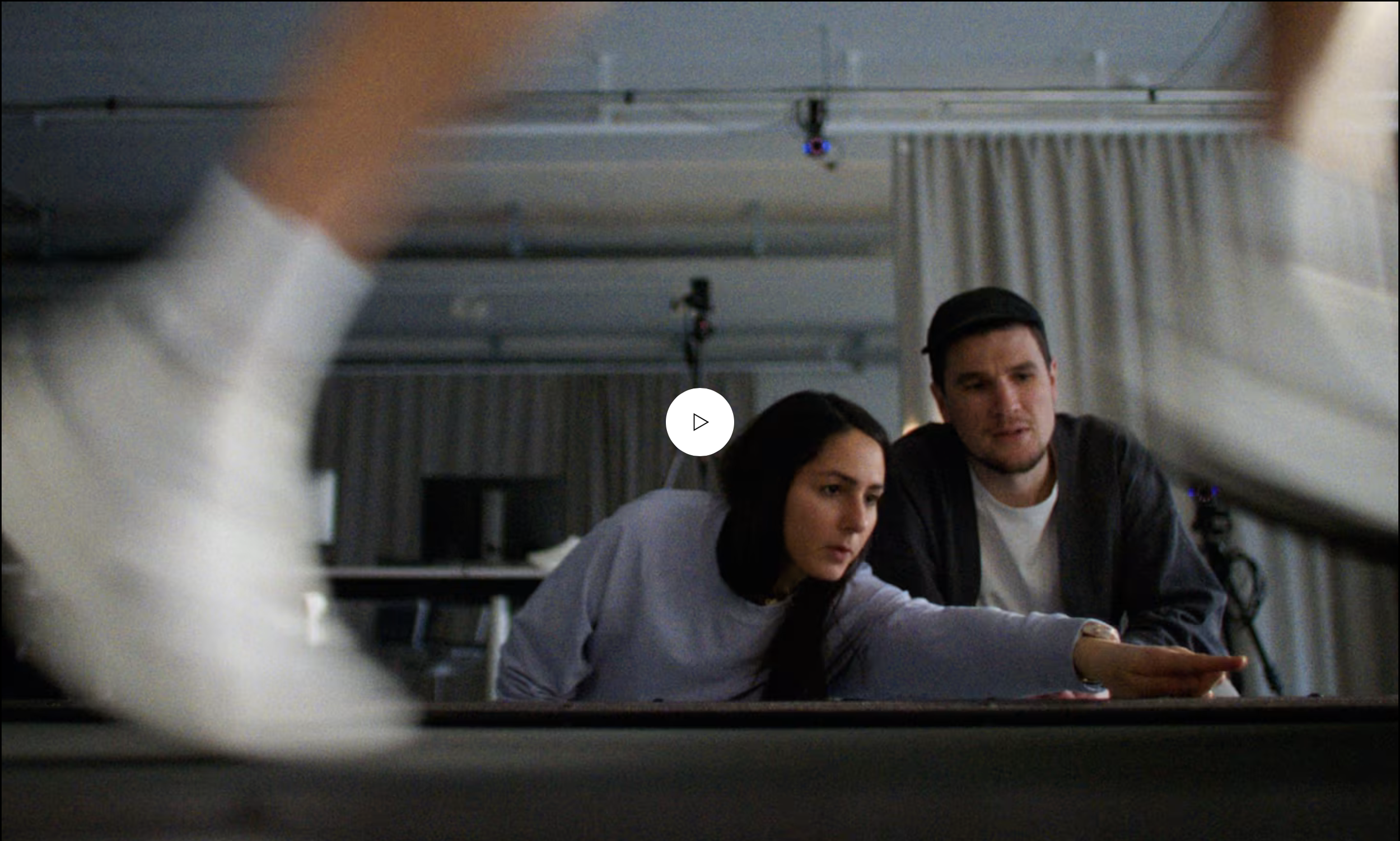
It all started with a hot glue gun video. Industrial designer Johannes Voelchert saw potential in that spiderweb-like structure where others saw craft project chaos. His vision: what if a shoe upper could be created in one continuous step, no cutting, no waste, just pure possibility?
ON Running's concept designer Martin Reugg saw it too. A year later, that spark became LightSpray technology—a robotic arm that sprays thermoplastic filaments directly onto a last, creating an upper that's seamless, precise, and impossibly light.
The human story behind the robot matters. This isn't automation replacing craftsmanship—it's human imagination directing technology toward something better.
Here's what matters beyond the breakthrough: they're onshoring production to Switzerland. When Hellen Obiri won the Boston Marathon in 2024 wearing the first LightSpray shoe, she wasn't just crossing a finish line—she was proving that the future of performance can happen closer to home. In an industry built on global supply chains and hidden costs, ON is proving that bringing manufacturing home isn't just about quality control—it's about accountability, transparency, and dramatically reducing carbon impact. The math is staggering. Traditional shoe production involves cutting pattern pieces, creating 30% waste before a single shoe exists. LightSpray eliminates that entirely while reducing manufacturing emissions by up to 75%.
This isn't incremental improvement. It’s systems change disguised as product innovation. Worth watching. Worth supporting. Worth demanding more of. On is ahead of their category in impact across the board, this is them leapfrogging in an entirely new way that we hope their competition chases.

Keepers
Our edit of the things worth keeping long term, the gems that survive.
The most sustainable thing you can buy is something that already exists. It also just happens to cost you less, often a lot less. We suggest buying from the experts — brands, artisans, designers. People who know why they're making what they are and who have often been doing it for decades using top-notch materials and craftsmanship.
Buying pre-owned (often new) means you get higher quality and better design for less than mid-level mass brands at retail, while supporting existing products instead of demanding new production. When you're ready to move on, you can send them back into the circular economy with higher resale value intact.
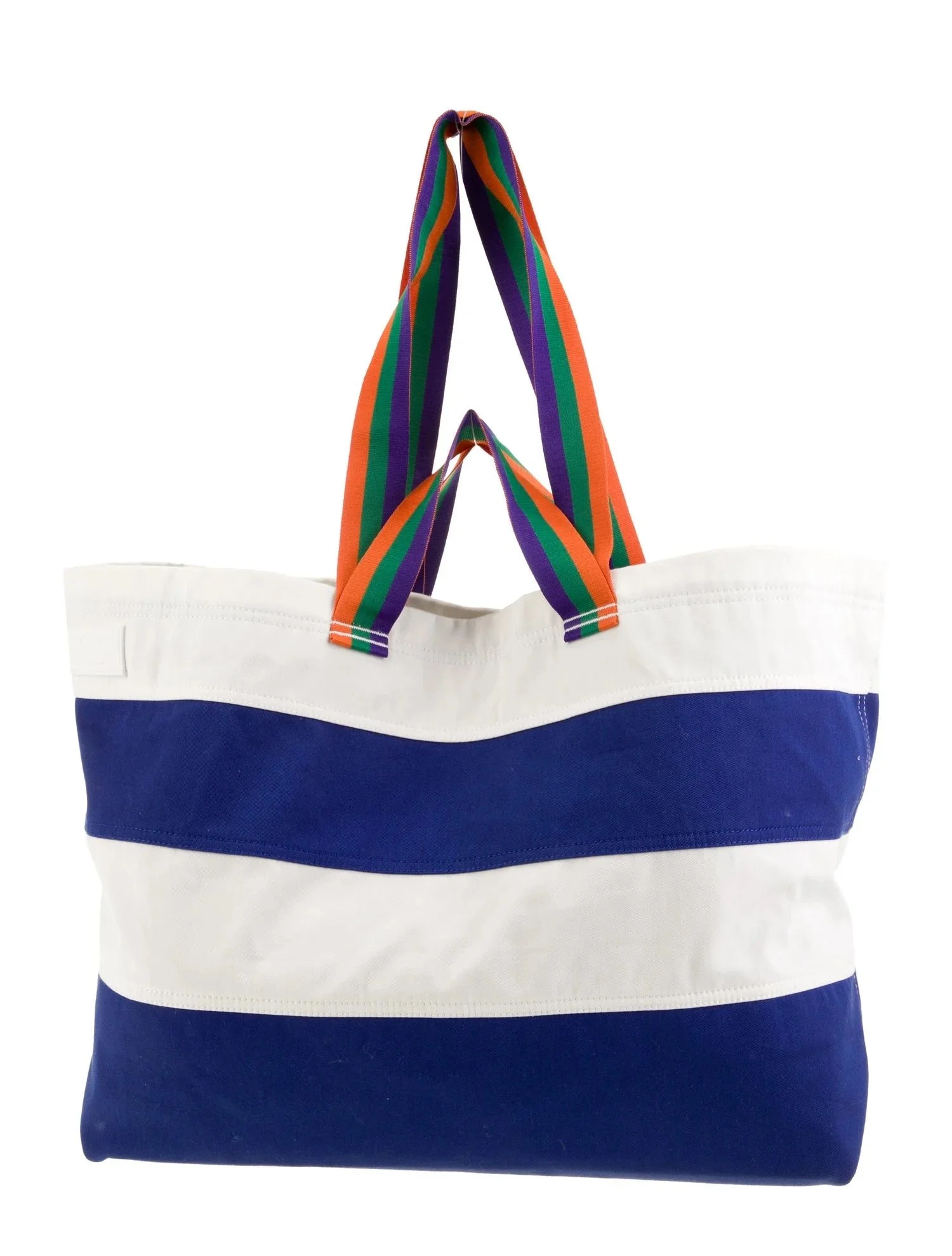
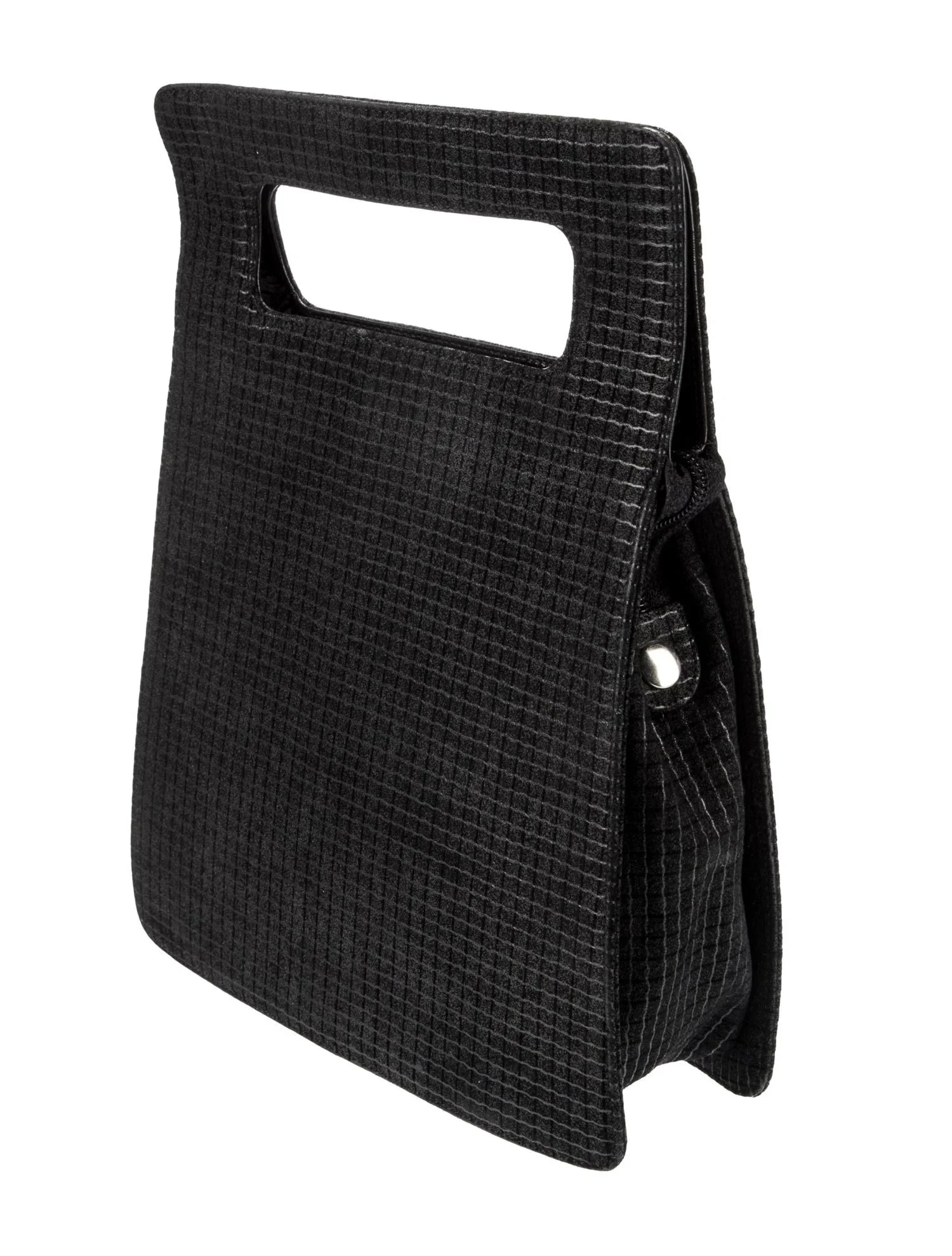
Pre-Owned Women’s—Accessories Edit
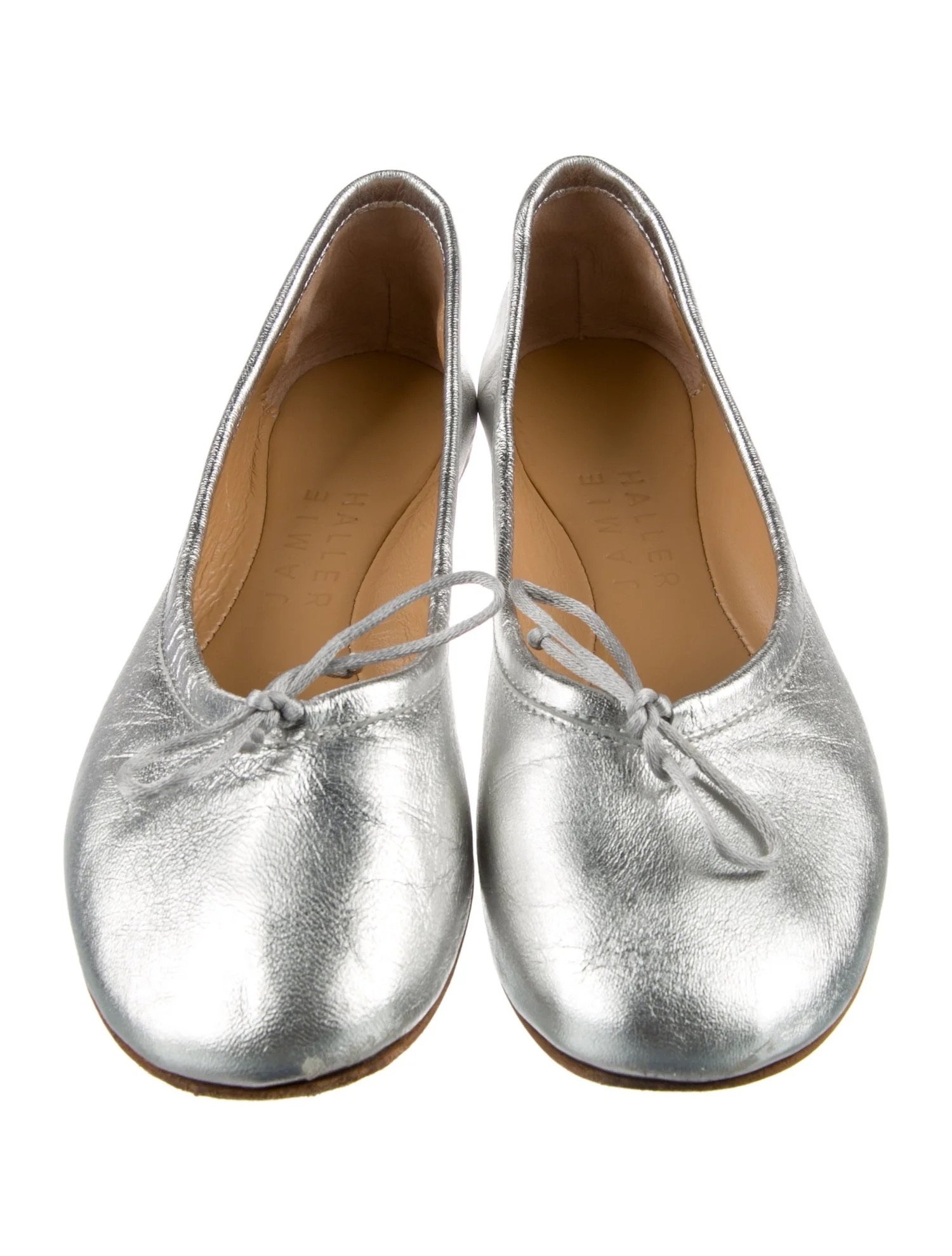
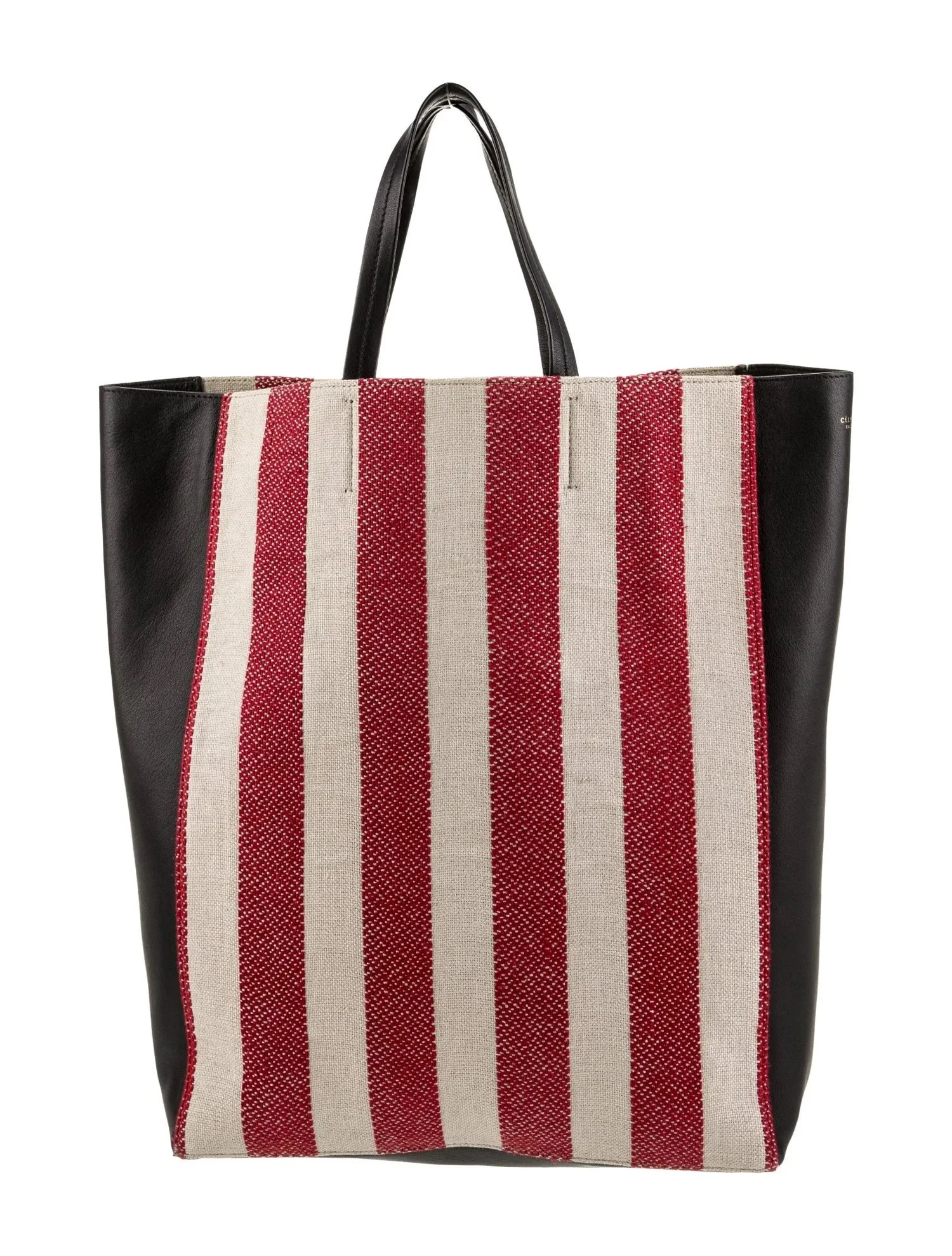
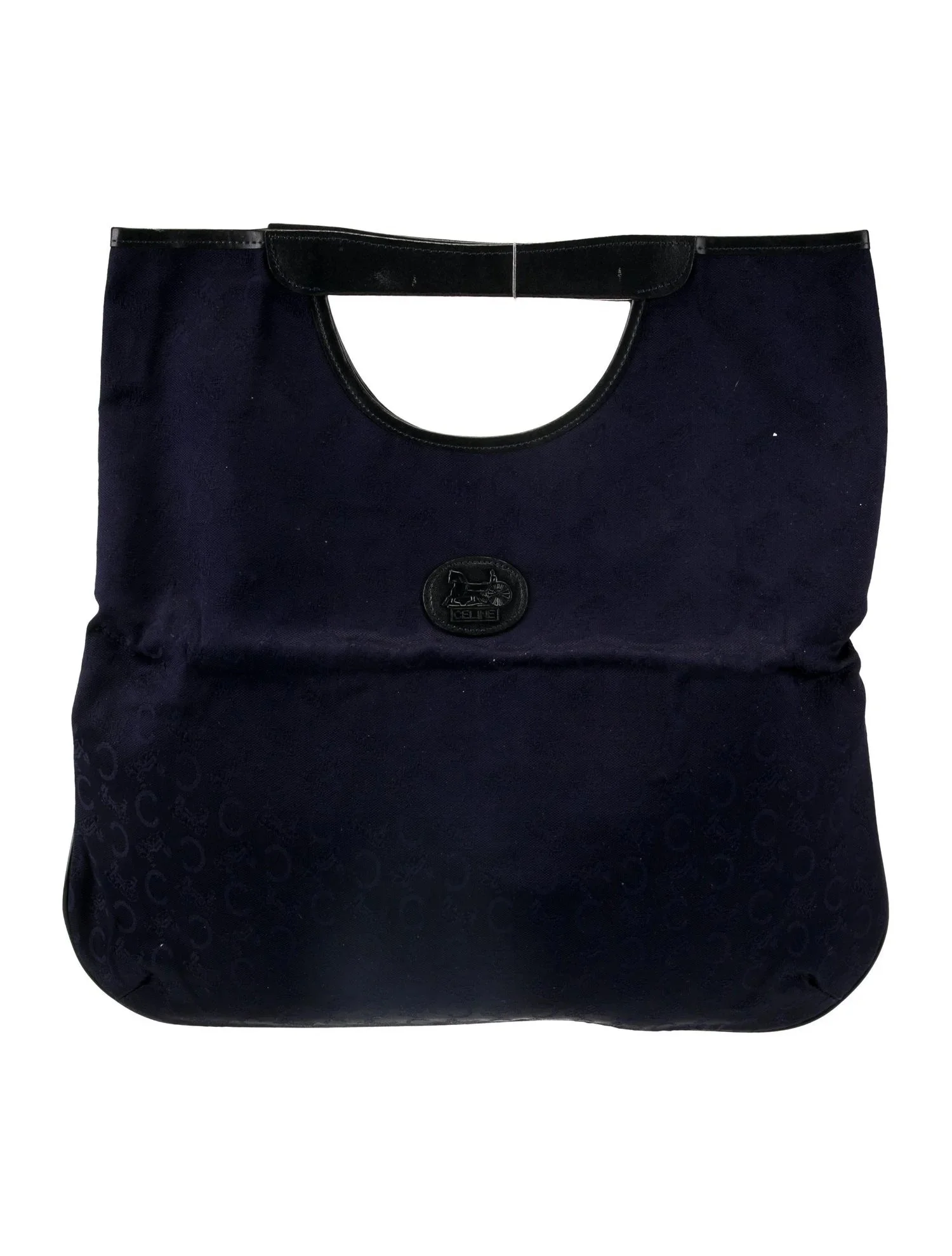
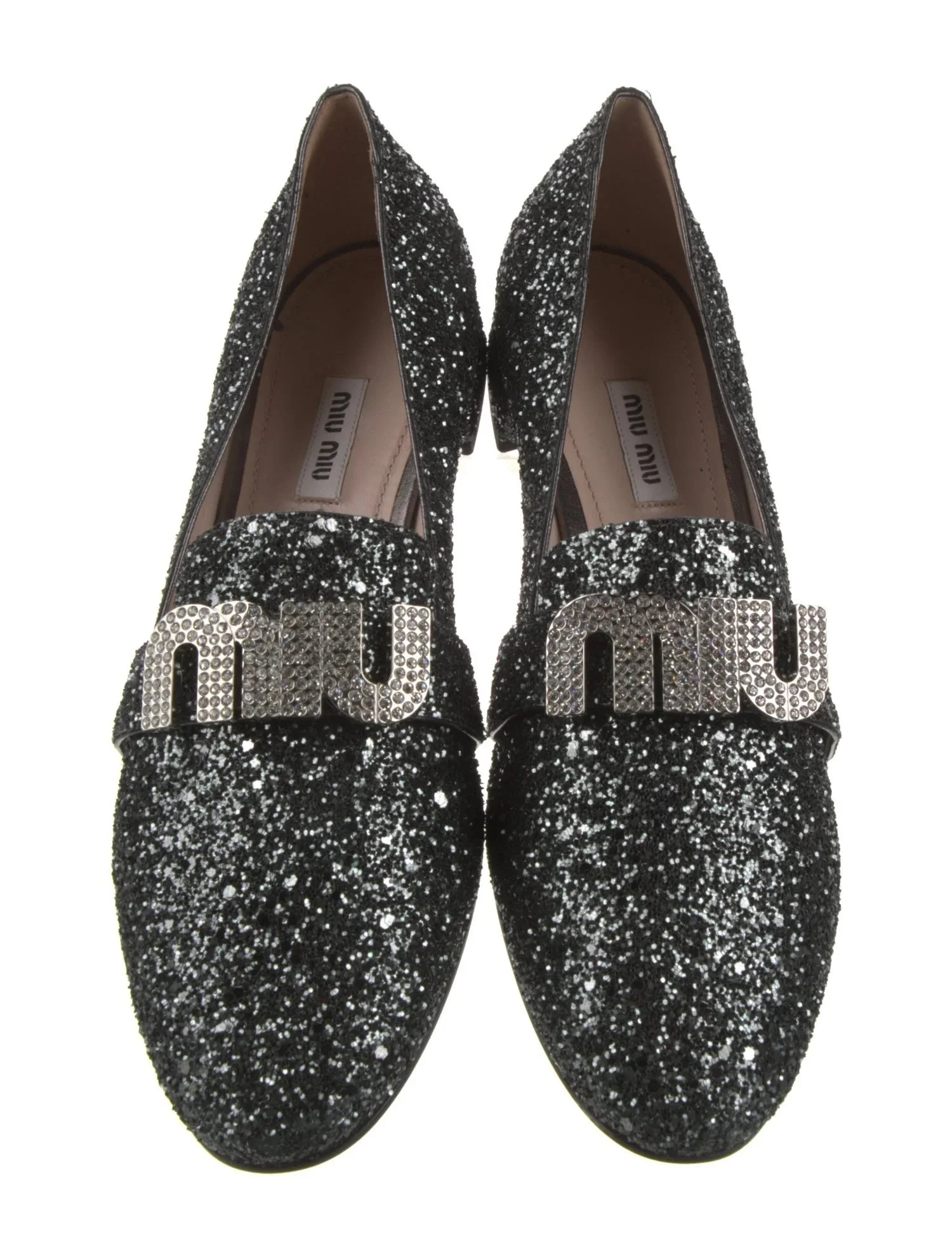
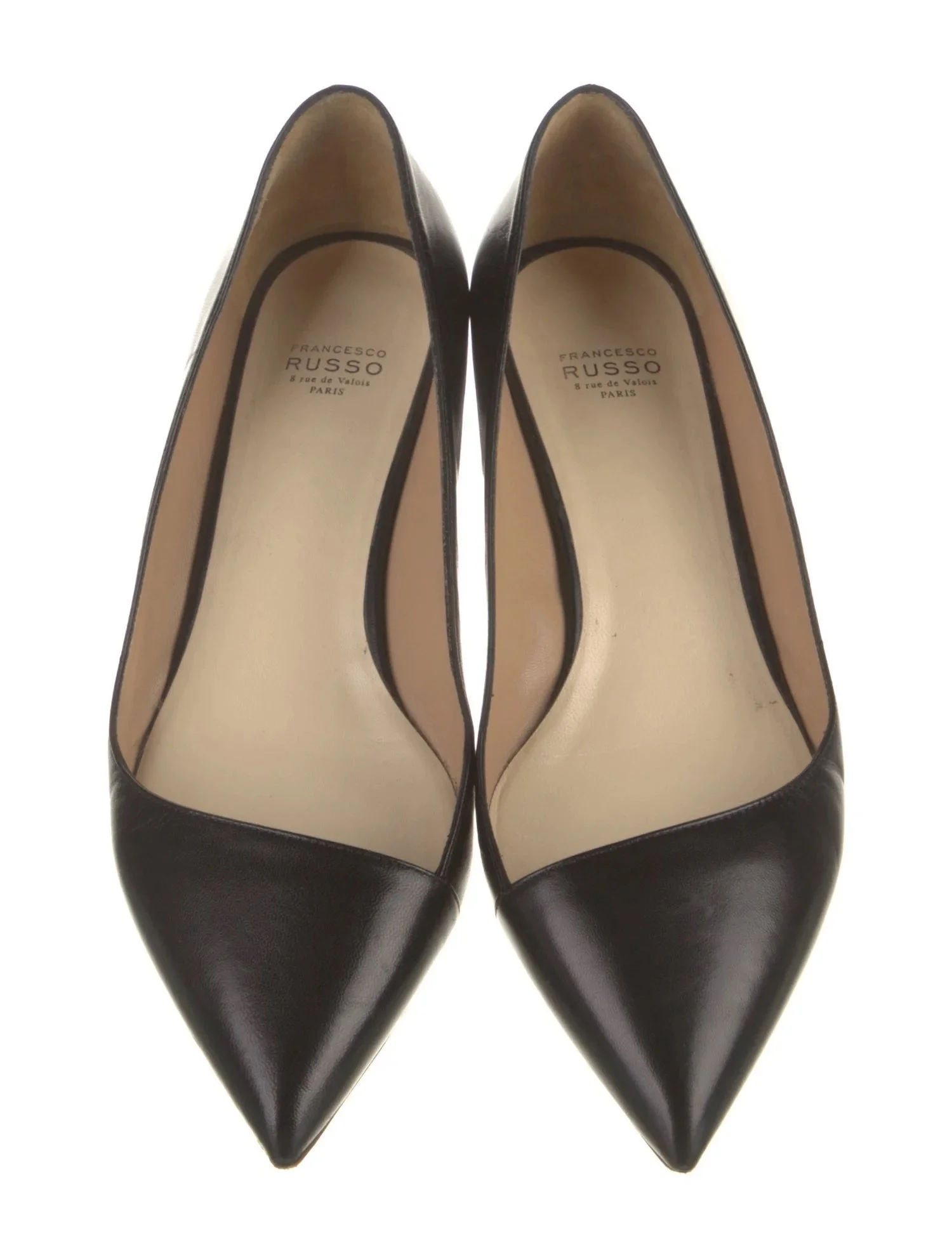
Leather brands like Bally—the bags are sleeper favorites, world class design houses like Alaïa—their sexy black sandals are a wardrobe staple and for 1/10 of what they are at retail now a no brainer, Francesco Russo—we know him personally and he's one of the best shoe designers to ever live (YSL Tributes grew from his genius), and Jamie Haller—a newer brand operating with past generation standards of quality and craft. These brands use the best materials and European factories. Prized by fashion insiders instead of the click and repeat crowd. Pieces were built to last decades, not seasons.
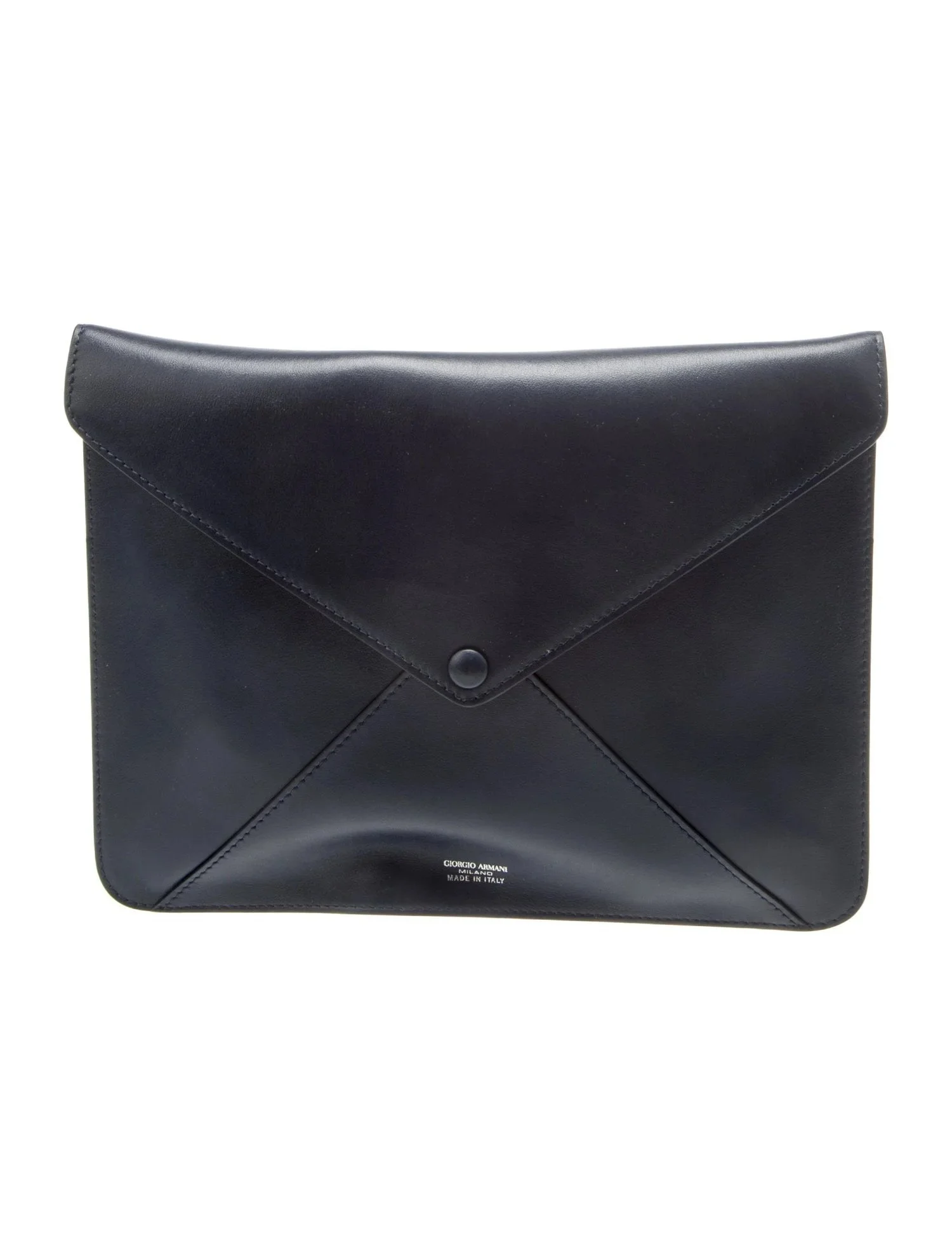
Summer holidays, weddings, back to work — keep these forever for special occasions (looking at you, gold heels) or wear them with jeans and a sweatshirt on Thursday night out. Everything here is under $500, most under $200, a third under $100. Great condition, many new, all timeless, all available right now. Quality that transcends trends — like that navy leather Armani envelope clutch or the Francesco Russo pointed flats that work as well in boardrooms as they do at dinner.







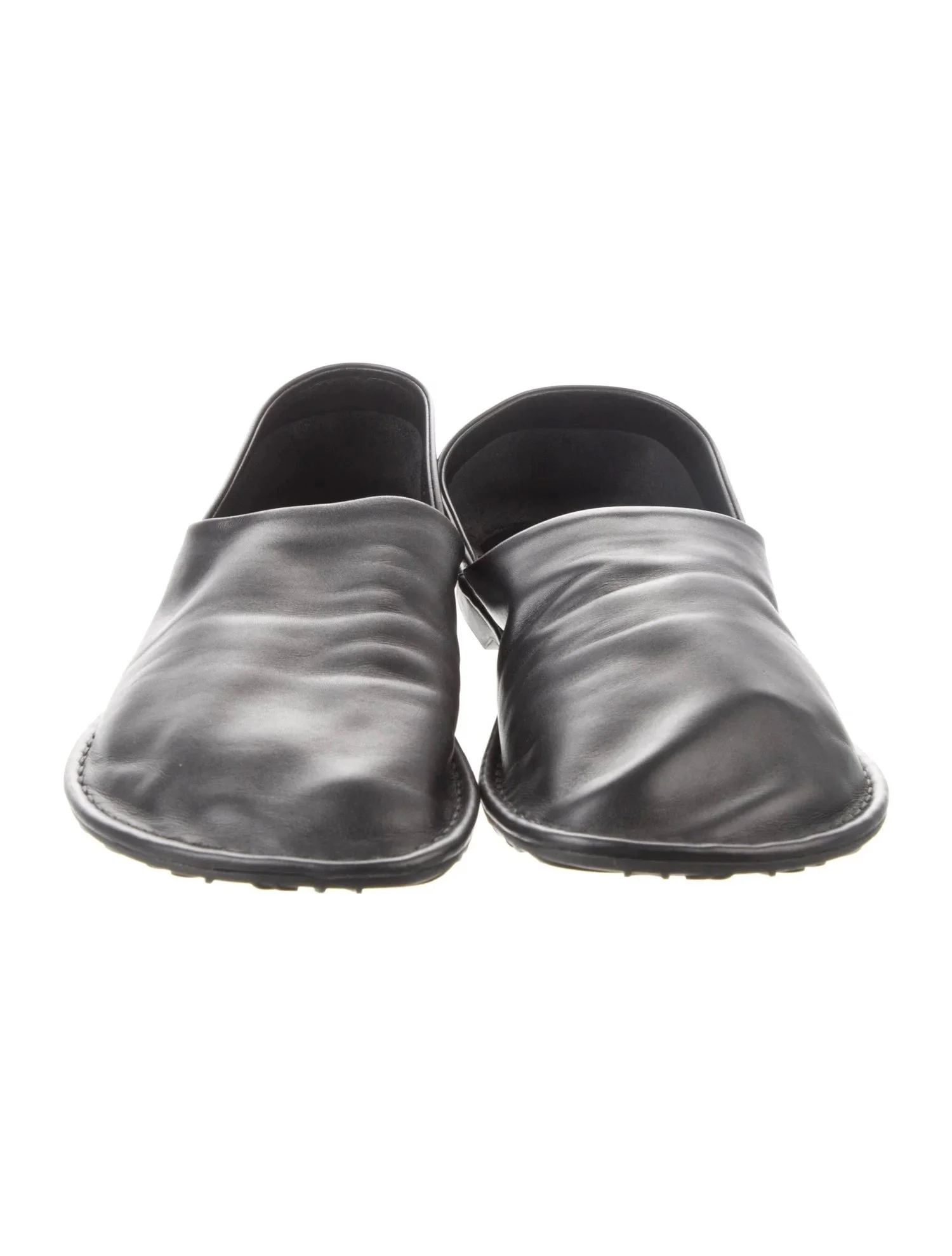
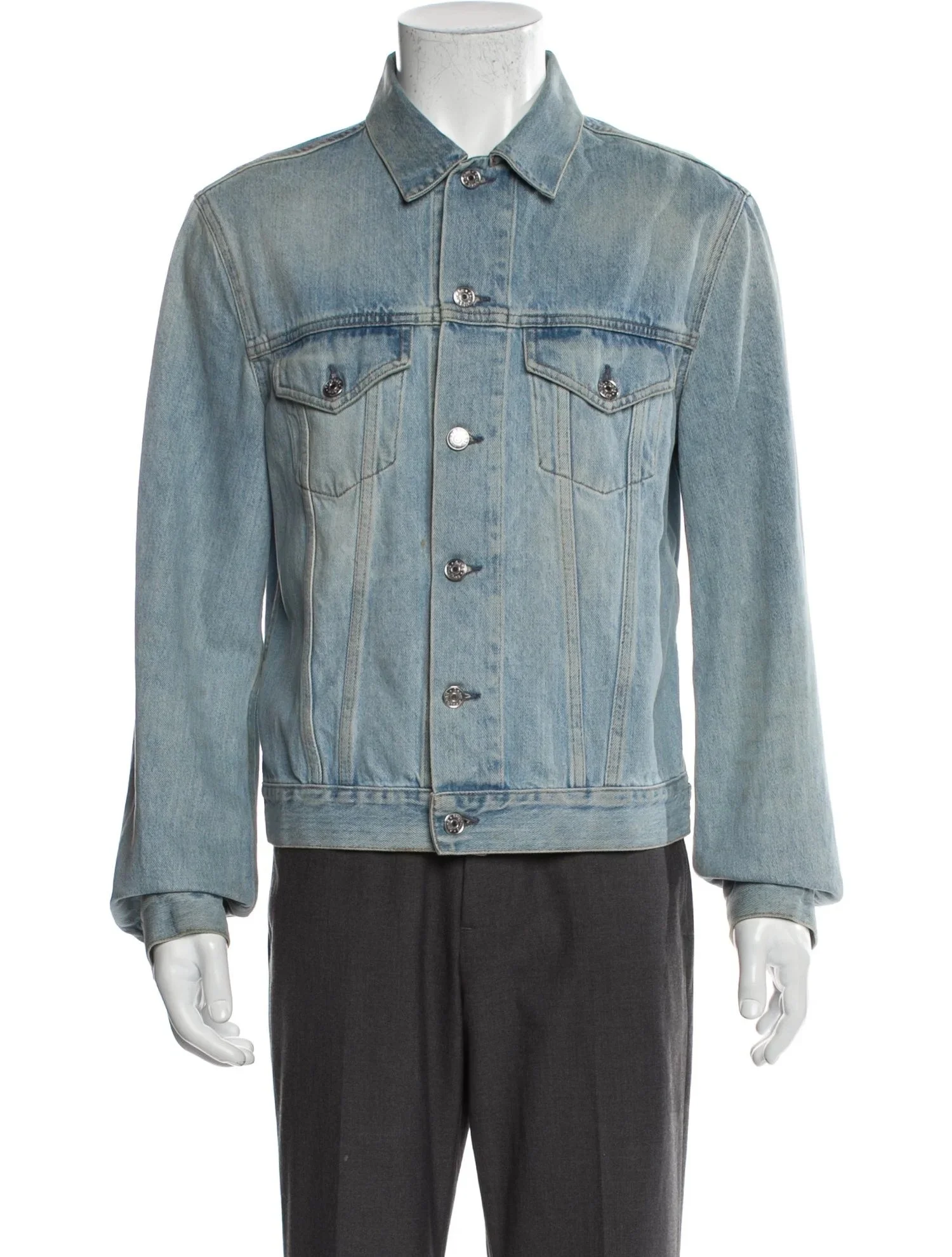
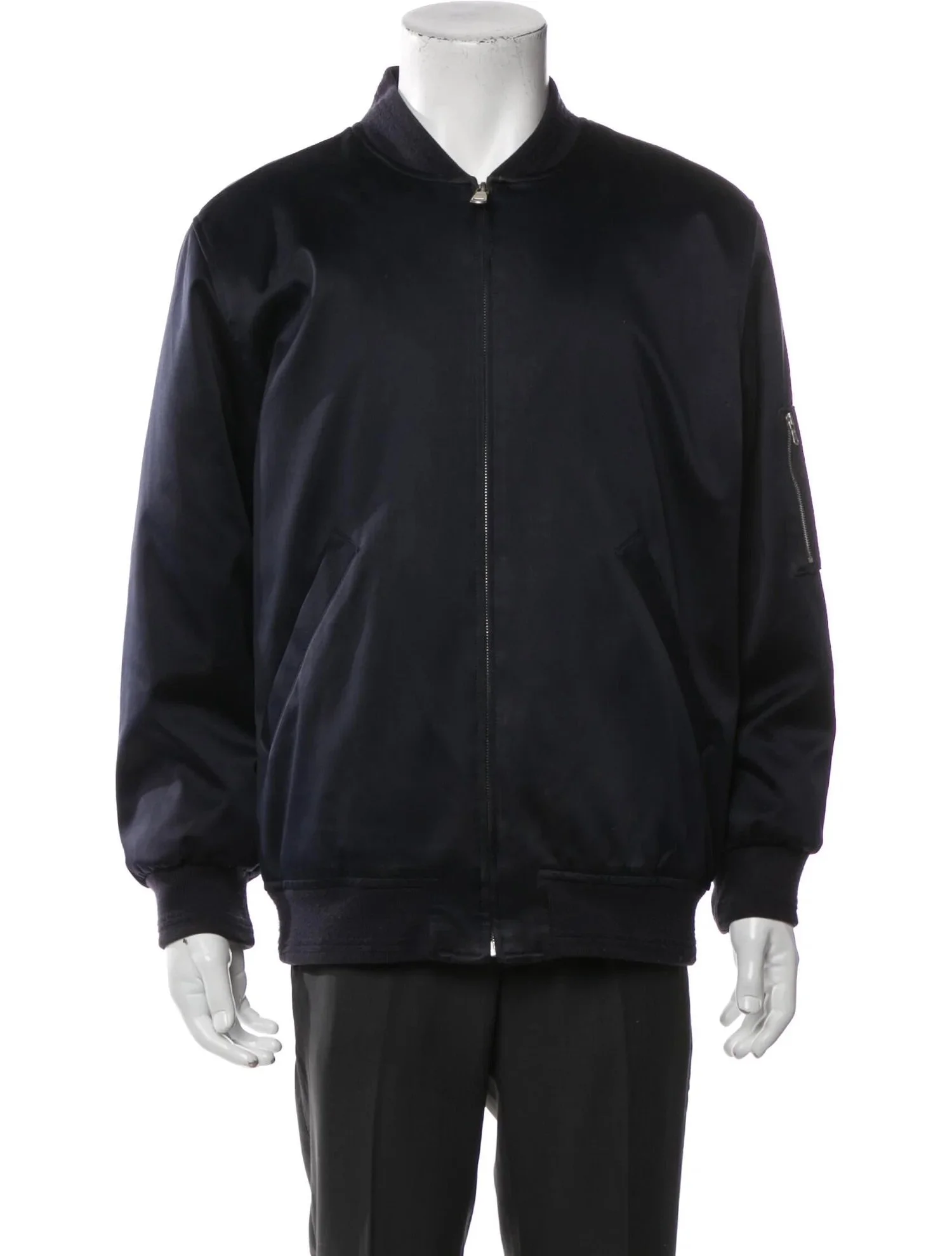
Pre-Owned Men’s — Slip on’s and Summer Jackets Edit
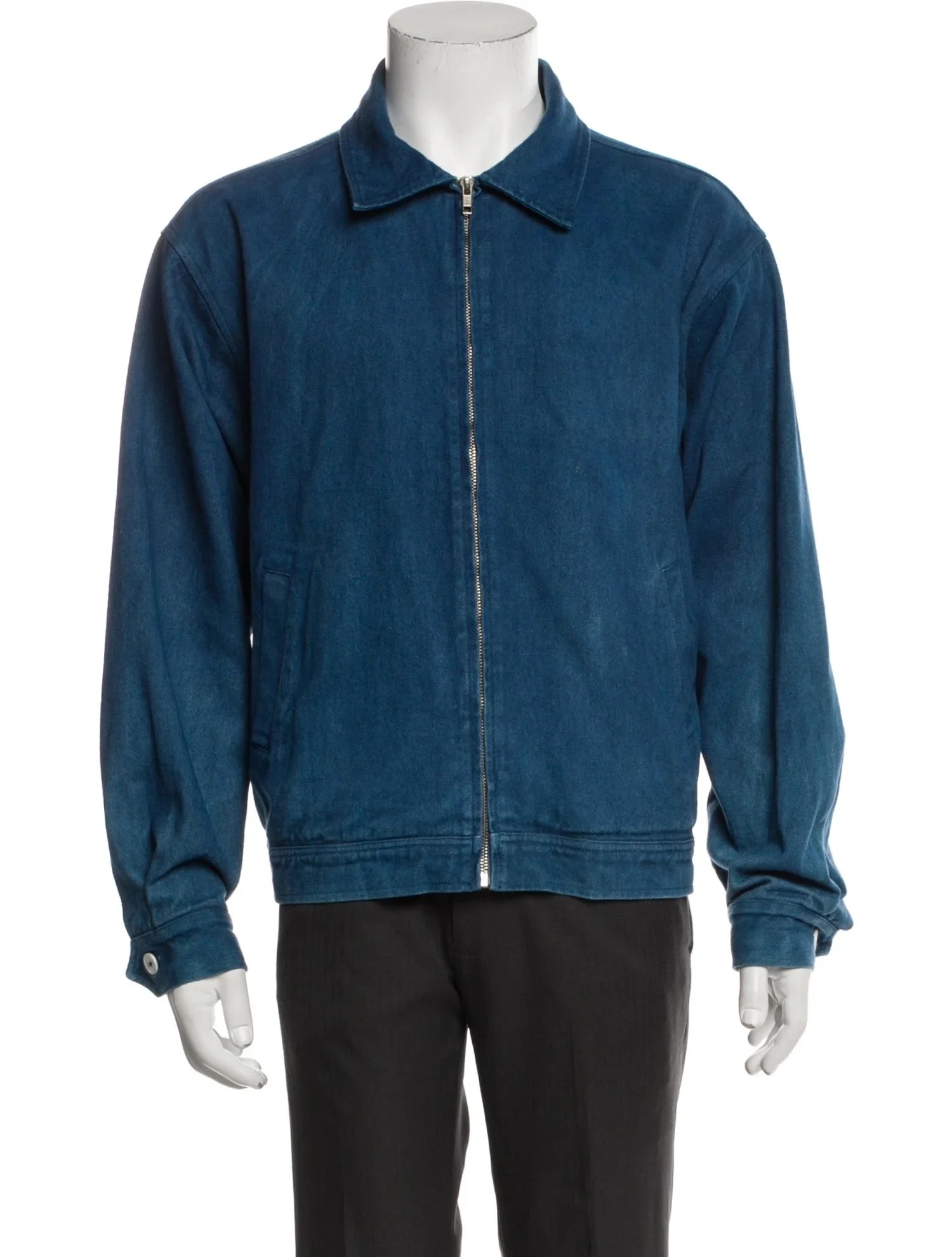
The goods: Slip-ons that work, jackets for now and later, pieces that elevate your everyday. Some are statements, some are staples, they’re all keepers.
Insane value: The men's market offers exceptional opportunities from brands like Acne Studios, Bottega Veneta, Loewe, and Valentino alongside less broadly distributed makers like Officine Creative and Chimala, plus impact-focused brands like Industry of All Nations. Quality that typically costs many multiples more at retail. Foundation pieces built to last and designed to work harder.











What is Dispatch?
Dispatch is our monthly deep dive into the people, places, products, and perspectives shaping how we live. The complete stories, quick answers, tools and recommendations that help you make more impactful choices about everything from what you read to where you travel to how you set up your home.
Each Dispatch is built to last — organized into sections you can explore at your own pace, bookmark for later, or return to when you need a solution. Think of it as your personal research team condensed into one carefully curated experience.

The brand built on "radical transparency" just sold to Shein for less than the debt it carried. The press is calling it ironic. It wasn't. This end was a feature of the financial model from day one. Follow the money.