
MEDIA DIET
Our ongoing filter for voices telling complete stories—editors, journalists, critics, experts, and platforms expanding access rather than guarding it.
The principles stay constant: transparency, education, and innovation that serves people and planet over profit. These voices are shaping tomorrow's discourse.





Our Favorite Style Voices

📷 from Rachel’s IG
Rachel Tashjian
The most important fashion critic working today—worldwide
-
Tashjian writes for readers, not advertisers, designers, or fear. She connects personal style to larger cultural forces with surgical precision. Her work at WAPO and on Opulent Tips consistently asks the questions others won't: what does power dressing actually mean? How does fashion reflect and shape society? She's unafraid to call out the industry's failures while celebrating its genuine innovations. This is exactly the kind of informed, engaged criticism we value: using major platform access to serve readers rather than protect industry relationships.
-
Fearless Independence: Tashjian writes for readers, not advertisers or industry insiders. Her willingness to ask hard questions about power dressing and fashion's social impact sets her apart from critics who play it safe.
Cultural Analysis: She connects personal style to larger cultural forces with surgical precision, treating fashion as the serious cultural force it actually is rather than surface-level trend reporting.Platform Responsibility: Her work proves that serious fashion criticism can exist within major platforms when someone chooses to use that power responsibly, serving readers over access.
-
CNN fashion coverage, Opulent Tips newsletter
IG: @theprophetpizza

📷 from Samira’s IG
Samira Nasr
A major magazine editor-in-chief who shows up as a human being
-
At Harper's Bazaar, Nasr brings personal context to fashion storytelling in ways that feel both revolutionary and necessary. She understands that readers want authenticity alongside aspiration — that the best fashion content comes from editors willing to be vulnerable, curious, and real. Her leadership proves that legacy platforms can evolve when someone with vision and courage takes the helm. This is exactly the kind of editorial approach we value: using institutional power to create genuine connection rather than maintaining distance.
-
Human Leadership: Nasr shows up as a human being rather than an institutional figurehead, bringing personal context to fashion storytelling in ways that feel both revolutionary and necessary.
Authentic Vision: She understands that readers want authenticity alongside aspiration, proving that the best fashion content comes from editors willing to be vulnerable, curious, and real.
Platform Evolution: Her leadership demonstrates that legacy platforms can evolve when someone with vision and courage takes the helm, transforming how major publications can engage with their audiences.
-

📷 from Johan’s IG
Jonah Weiner
-
Weiner's newsletter treats fashion as anthropology, using journalism chops (NYT Mag, New Yorker, Rolling Stone) to examine what our clothing choices reveal about culture, identity, and meaning. He maintains editorial independence while grappling with consumer culture's contradictions, celebrating small makers and questioning fashion's environmental and labor impacts. His website is a Google Doc — substance is style here. This is exactly the kind of independent voice we value: using serious journalism skills to expand fashion discourse beyond industry insider conversations.
-
Cultural Anthropology: Weiner treats fashion as anthropology rather than trend reporting, using serious journalism credentials to examine what our clothing choices reveal about culture, identity, and meaning.
Editorial Independence: He maintains complete independence, refusing gifts, ads, and affiliate links while grappling honestly with consumer culture's contradictions and celebrating small makers over corporate interests.
Substance Over Style: His website being a Google Doc perfectly captures his approach — prioritizing content and ideas over polished presentation, proving that substance is the ultimate style.
-
Site: jonahweiner.com
IG: @blackbirdspyplane
Blackbird Spyplane newsletter.
Fashion insiders read him religiously, but he writes for you

📷 from Hetty’s IG by Nick Knight
Hetty Mahlich
The fashion editor treating the industry as both art and business
-
Hetty Mahlich represents everything we want from fashion editorial: depth without pretension, knowledge without gatekeeping, and honest analysis without snark. As Fashion Editor at SHOWstudio since 2022, this British fashion editor has carved out essential space for serious fashion discourse in an era dominated by regurgitated press releases and surface-level coverage.
Mahlich brings rare combination of academic rigor (History of Art degree from University of Bristol) and industry experience to her work. Whether she's editing platform content or delivering show reviews that rival any critic working today, she consistently treats fashion as what it actually is: a complex intersection of craft, art, and business that deserves thoughtful analysis rather than breathless trend reporting. Her fashion week coverage has become essential viewing—deep, research-driven analysis that helps viewers understand not just what happened, but why it matters and how it fits into broader fashion narratives. This is exactly the kind of informed, engaged editorial voice we value: serious scholarship that serves readers rather than industry gatekeepers.
-
Serious Fashion Scholarship: Her academic background in art history combined with industry experience creates a editorial lens that's both theoretically grounded and practically informed. She understands fashion's cultural significance while respecting its commercial realities.
Essential Fashion Week Coverage: Her recaps across Instagram, TikTok, and YouTube have become must-follow content during fashion weeks. She synthesizes complex collections into accessible analysis without losing depth or nuance.
Industry Authority: Serving on the British Fashion Council NEWGEN Jury 2024 and teaching at Central Saint Martins and Institut Français de la Mode positions her at the intersection of education, emerging talent, and established industry.
Multimedia Expertise: Leading editorial strategy at SHOWstudio, she is responsible for the editorial lens of their fashion films, interviews, and panel discussions that expand how fashion editorial can work in digital spaces.
-

📷 from Crystal’s IG
Crystal Anderson
Smartest red carpet analysis in fashion
-
Crystal Anderson has built something rare: a creative direction portfolio and cultural commentary practice that proves individual vision matters more than platform size. Her red carpet analysis cuts through sponsored content and access journalism to offer genuine style analysis that's both fun and intelligent. She also had the courage to speak publicly about being discounted during the Man Repeller era, then rose with such grace that she made calling out bad behavior look like an art form. This is exactly the kind of authentic voice we value: someone who combines talent with integrity and uses both to elevate the conversation.
-
Genuine Analysis: Anderson's red carpet coverage and cultural commentary cuts through sponsored content to offer authentic style analysis that's both intelligent and entertaining, proving criticism doesn't have to be joyless.
Individual Vision: Her impressive creative direction portfolio demonstrates that talent and unique perspective matter more than platform size or industry connections.
Graceful Courage: She spoke publicly about being discounted during the Man Repeller era and rose from that experience with such grace that she transformed calling out bad behavior into an art form.
-
Red carpet coverage, creative direction projects, Insta @beerbottles_chainsaws

📷 from SHOWstudio IG
SHOWstudio
The digital pioneer redefining fashion for the world
-
SHOWstudio holds rare space in fashion media: the platform that breaks down the industry's most exclusive walls and rebuilds them as bridges. Founded in 2000 by photographer Nick Knight, this isn't just another fashion publication—it's the digital playground that teaches the fashion world how to embrace technology, transparency, and creative collaboration while maintaining sector excellence. SHOWstudio represents fashion media's rock and roll spirit—by insiders, for the world. Their approach to democratizing access fundamentally challenges fashion's gatekeeping tradition while proving that fashion's future lies in opening conversations rather than restricting them. This is exactly the kind of platform evolution we value: using insider excellence to expand access rather than exclude.
-
Digital Innovation Leadership: Pioneered fashion film as a medium and continues pushing technological boundaries through metaverse exploration and NFT projects. They consistently set standards that become industry norms.
Transparent Access: Revolutionary live broadcasting from fashion shows and creative shoots opened previously exclusive processes to global audiences, fundamentally changing how fashion communicates with the world.
Creative Risk-Taking: Regular collaborations with both legendary designers and emerging talent prove their commitment to fashion's future rather than just its established hierarchy.
Sector Excellence: Their track record of working with fashion's most acclaimed voices while discovering new ones demonstrates that high standards and broad access enhance each other.
-
📷 from Nick’s IG

-
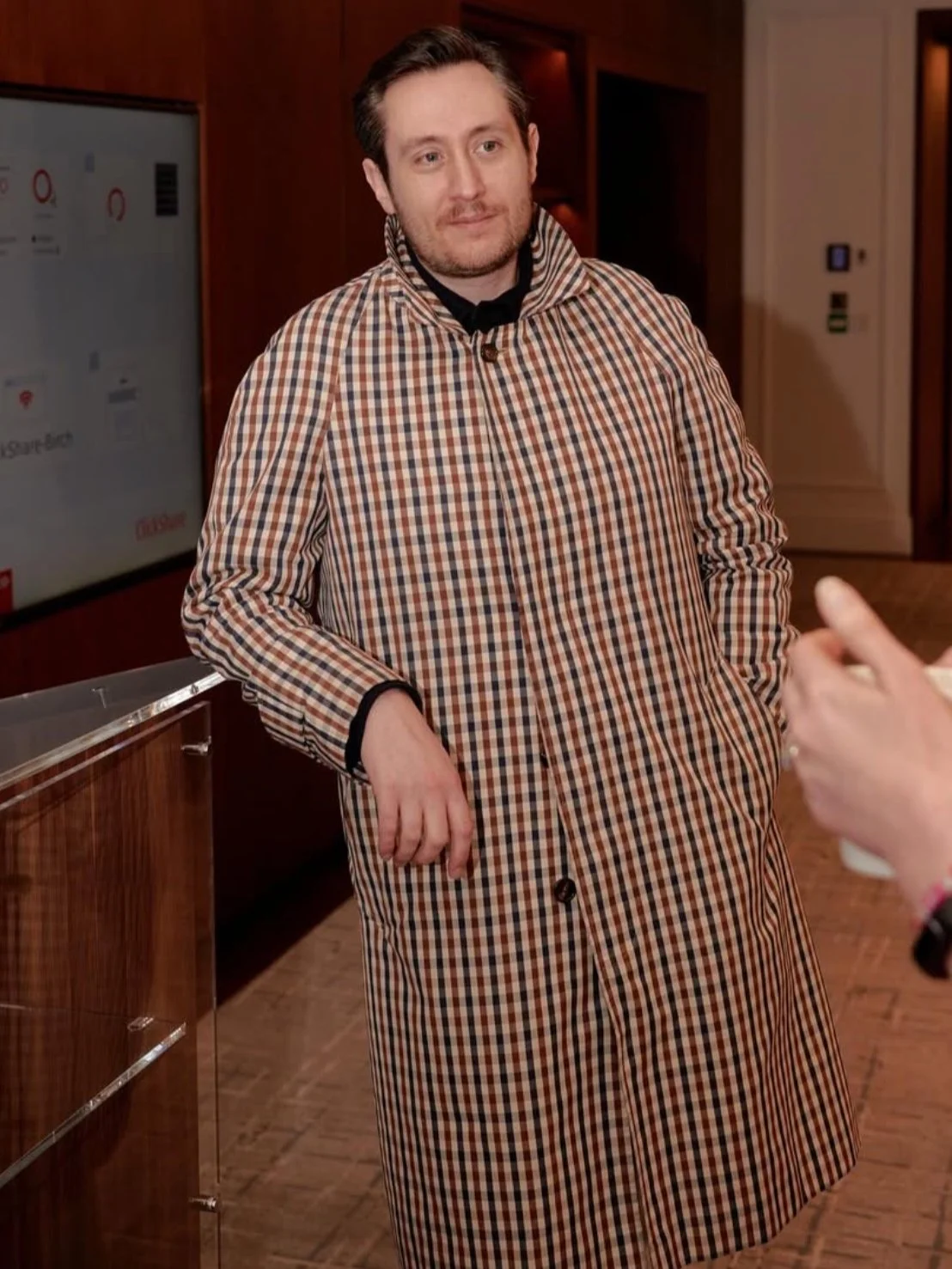
Nick Carvell brings something increasingly rare to fashion writing: a more complete cultural lens. This UK-based fashion, design, and fragrance writer treats fashion not as isolated product but as part of a larger conversation about identity, culture, and meaning. His work demonstrates that today's most important voices often exist outside traditional media structures, bringing fresh perspective to established conversations while proving that independent voices can shape the broader narrative. This is exactly the kind of thoughtful approach we value: understanding that how we dress connects to how we live, work, and move through the world.
-
Cultural Context: Carvell treats fashion as part of a larger conversation about identity, culture, and meaning rather than isolated product coverage, bringing depth that's become rare in fashion writing.
Independent Perspective: His freelance work demonstrates how voices outside traditional media structures can bring fresh perspective to established conversations and influence broader cultural narratives.
Complete Vision: He connects personal style to larger questions about how we live, proving that fashion writing can be both accessible and intellectually rigorous when approached with genuine curiosity.
-
IG @nickcarvell
Freelance fashion and design writing
Nick Carvell
UK writer connecting style to larger questions about how we live
📷 from Bella’s IG
Bella Webb
The most impact informed voice in B2B fashion media
-
Bella Webb represents something rare in fashion business journalism: someone who actually speaks to impact first. While other trade publications recycle press releases and trade on snark and acquisitions, Webb at Vogue Business consistently tackles the industry's structural challenges — labor, sustainability, supply chain reality. Her reporting connects boardroom decisions to factory floors, making the business of fashion accessible without dumbing it down. She's proof that serious impact journalism can exist in fashion when someone actually cares about the work. This is exactly the kind of systems thinking we value: using insider access to illuminate how the industry actually functions.
-
Structural Analysis: Webb consistently tackles the industry's real challenges — labor practices, sustainability, supply chain reality — while other trade publications stick to press releases and acquisition announcements.
Complete Reporting: Her work connects boardroom decisions to factory floors, making the business of fashion accessible without dumbing it down, proving that serious journalism and accessibility can coexist.
Impact Focus: She's proof that serious impact journalism can exist in fashion when someone actually cares about the work, using her platform to examine what matters rather than what sells.
-

📷 from Front Office IG
Ken Sakata
The outsider obsessed with fashion history as he builds his own brand in Australia and Japan
-
Ken Sakata brings something entirely unique to fashion discourse: the analytical mind of an orthopedic surgeon applied to garment construction, material science, and fashion history. Through his Front Office brand, this Australian-Japanese designer doesn't just create clothing—he deconstructs the entire fashion system, sharing the scientific approach behind why garments work the way they do. His content spans everything from deep dives into fabric weaving techniques to the historical evolution of specific silhouettes, treating fashion as both craft and science. What makes Sakata's content particularly valuable is its complete accuracy—he's sharing factual information about processes and techniques we've witnessed firsthand in mills, ateliers, and design studios over decades in the industry. His genuine curiosity drives him to demystify an industry that often thrives on opacity, proving that the most compelling fashion voices often come from unexpected backgrounds with fresh perspective that challenges conventional wisdom.
-
Scientific Approach: His medical background brings analytical rigor to fashion design and history, examining garments through the lens of material science, ergonomics, and functionality in ways that reveal deeper truths about how clothing actually works.
Educational Transparency: Through detailed breakdowns on TikTok, YouTube, and his newsletter, Sakata shares the "why" behind design decisions, making complex technical knowledge accessible to anyone curious about how fashion actually functions.
Cross-Cultural Perspective: Operating between Australia and Japan while building his own brand, he brings global context to fashion history and contemporary design, showing how different cultures approach garment construction and material innovation.
Practitioner's Voice: Unlike many fashion commentators, Sakata is actively building a brand while sharing knowledge, giving him credibility that comes from doing the work rather than just observing it.
-
TikTok: @frontoffice.co
YouTube: @FrontOfficeCo
Instagram: @frontoffice.co
Newsletter: Front Office Co. Substack
Our Favorite Style Shows

-
Fashion Neurosis with Bella Freud Our must-watch podcast bringing fashion's greatest minds into authentic conversation.
Freud has created something rare: a fashion podcast worth watching, not just hearing. Fashion Neurosis transforms the typical interview format into intimate access to how fashion's most compelling voices actually think. Freud's ability to create genuine connection with guests—from John Malkovich to industry insiders—reveals the creative process behind the clothes we see. Her authentic curiosity and slightly offbeat approach make even the most established figures feel approachable and real.
This isn't fashion media performing fashion media. It's Bella inviting viewers into her world to witness conversations that feel like privileged access to creative minds across disciplines. The visual component matters—you're seeing the environment, the gestures, the chemistry that makes these discussions feel authentic rather than performative.
-
Watch on their YouTube channel rather than consuming audio-only. Freud has built an intriguing visual world that enhances every conversation. The setting, the interactions, the way guests respond to being in her space—all of this adds layers that pure audio misses.
Watch the John Malkovich episode first—it perfectly demonstrates the format's potential. Episodes work as standalone experiences, but watching multiple reveals Freud's consistent ability to create space for authentic revelation.
Essential viewing for anyone interested in:
Fashion as cultural force rather than product
Creative process across disciplines
Authentic celebrity conversation without typical media filters
-
Fashion Neurosis with Bella Freud Our must-watch podcast bringing fashion's greatest minds into authentic conversation.
Freud has created something rare: a fashion podcast worth watching, not just hearing. Fashion Neurosis transforms the typical interview format into intimate access to how fashion's most compelling voices actually think. Freud's ability to create genuine connection with guests—from John Malkovich to industry insiders—reveals the creative process behind the clothes we see. Her authentic curiosity and slightly offbeat approach make even the most established figures feel approachable and real.
This isn't fashion media performing fashion media. It's Bella inviting viewers into her world to witness conversations that feel like privileged access to creative minds across disciplines. The visual component matters—you're seeing the environment, the gestures, the chemistry that makes these discussions feel authentic rather than performative.
-
Watch on their YouTube channel rather than consuming audio-only. Freud has built an intriguing visual world that enhances every conversation. The setting, the interactions, the way guests respond to being in her space—all of this adds layers that pure audio misses.
Watch the John Malkovich episode first—it perfectly demonstrates the format's potential. Episodes work as standalone experiences, but watching multiple reveals Freud's consistent ability to create space for authentic revelation.
Essential viewing for anyone interested in:
Fashion as cultural force rather than product
Creative process across disciplines
Authentic celebrity conversation without typical media filters
Style Bookshelf


Our Favorite Art Voices
Art shapes how we see, think, and move through the world. These voices we follow are pulling up the curtain on the art world's opaque structures, making insider knowledge accessible through honest criticism, fearless reporting, and genuine education. They understand that art literacy isn't luxury—it's necessity.

📷 from Carrie’s IG
Carrie Scott
Democratizing access to the art world
-
Scott is so much more than a curator—she's an English-American art historian, TV presenter, and force of nature who's spent nearly two decades building bridges between the art world's exclusive inner circle and everyone else. As founder of both Carrie Scott & Partners (2008) and the groundbreaking platform Seen (2024), she's proving that transparency and accessibility don't diminish the art world's magic—they amplify it. Scott embodies our belief that expertise should expand access, not restrict it. She's doing the difficult work of remaining deeply embedded in the art world while actively opening doors for others. This is exactly the kind of informed, engaged approach we value: using insider knowledge to democratize access.
-
Transparency: Scott builds in public. Through Seen's membership platform, she offers real-time market insight, honest collecting advice, and jargon-free education. She's literally democratizing information that was previously available only to insiders.
Cultural Bridge Builder: Her high-level curatorial experience translates into accessible content that serves everyone from art-curious beginners to serious collectors. Her approach proves that transparency enhances quality.
Systems Thinking: Scott built Seen as a membership community that provides genuine education and community building.
-

📷 from Cultured Mag IG
Cultured Magazine
Where art meets cultural momentum
-
Cultured Magazine does something increasingly rare: it bridges worlds. Founded in 2011 by Sarah Harrelson, this independent publication has carved out essential territory at the intersection of contemporary art, design, and culture—making the art world more accessible while maintaining depth. This is one of the few complete publications we recommend. Cultured represents what art media can be when it serves discovery. They're building cultural literacy—exactly the kind of systems thinking we value. Their commitment to emerging talent and cross-disciplinary coverage aligns with our belief that the future belongs to those expanding the conversation.
-
Talent Discovery Engine: Cultured's annual "Young Artists," "Young Collectors," and "CULT 100" lists have become definitive guides to who's shaping culture. They identify emerging voices before they become widely recognized.
Cross-Disciplinary Vision: Cultured deliberately breaks down silos between art, design, fashion, and film. This interdisciplinary approach reflects how culture actually works—as interconnected systems.
Independent Editorial Voice: With 50,000+ print subscribers and partnerships with major luxury brands, Cultured proves that editorial independence and commercial success can coexist when publications prioritize substance.
-
Website: culturedmag.com
Print: Five issues annually
IG: @cultured_mag
Special Focus: Annual lists, art fair coverage, and exclusive cultural event access

📷 from The Guardian
Adrian Searle
The establishment critic who refuses to play it safe.
-
Adrian Searle occupies a unique position in the art world: he's the ultimate insider who maintains an outsider's edge. Since 1996, this Guardian art critic has wielded significant influence over British contemporary art discourse, shaping institutional conversations and artist reputations with equal measures of sharp wit and rigorous analysis. Originally a painter who exhibited widely before choosing writing over making, Searle brings a creator's understanding to his criticism. This is exactly the kind of informed, engaged criticism we value: deeply knowledgeable yet unafraid to challenge both artists and institutions when they fall short.
-
Fearless Honesty: Searle's willingness to deliver harsh verdicts (calling Jim Shaw's work "awful, indefensible, crapulous") alongside genuine advocacy shows integrity over access protection. His background as an artist and occasional fiction writer brings literary depth to his criticism, while his reviews can significantly impact artists' careers and institutional decisions. Despite his decorated status, Searle maintains critical independence, ensuring his writing serves art rather than politics.
-
Primary Platform:The Guardian
Our Favorite Art Shows

Art—Behind the Scenes
Art shapes how we see, think, and move through the world. But the art world has long protected its inner workings—gatekeeping access to the conversations, spaces, and knowledge that make art meaningful beyond market value.
These ten YouTube channels pull back the curtain. Museum curators walking you through collections. Artists opening their studios. Experts unpacking the stories behind iconic works. Auction house insights without the pretense. Gallery visits that demystify rather than intimidate.
In extraordinary times, understanding how art reflects, challenges, and documents our moment matters. These channels make that understanding accessible—no cost to enter these once-rarified rooms. Access is limited only by your curiosity.
Start with the museums—Louisiana, MoMA, Tate—then dive into the deep stack of artists telling their own stories with Art21. From there, explore the galleries and auction houses. Each channel offers a different lens into how art gets made, shown, sold, and understood.
A note on the institutions:
The art world—museums, mega-galleries, art fairs, and auction houses—operates within systems designed to serve wealth and power. From opaque donor relationships and tax schemes to market manipulation and gatekeeping, these institutions often prioritize the richest collectors over artists and the public. We include these channels not to endorse the system, but because understanding how it works is empowering. We believe knowledge is the first step toward navigating how you support and celebrate the world of art and artists.
-
The world's largest original archive on contemporary art and our personal favorite spot on the internet when we want to immerse ourselves in art. Supported by the Danish museum Louisiana, a place worth the trip all the way to Denmark just to see. Since 2012, the museum has been sharing videos featuring artists, writers, musicians, and architects in deep conversation—tap in whenever you want, when you need inspiration and access to a connected world. Their "Advice to the Young" series alone is worth your time—think of it as "office hours" with some of the most talented thinkers of our time. Louisiana goes beyond art to literature, music, and design, creating a cultural platform that makes the world better.

-
New York's Museum of Modern Art brings world-class institutional authority without a hint of stuffiness. Their "Artist Profiles" series gets you close to artists like Kerry James Marshall in their own spaces. They also offer practical tutorials on techniques like watercolor and collage. Their YouTube channel excels at showing you what happens behind the scenes—conservators finding hidden brushstrokes, art handlers installing massive sculptures, curators explaining choices. Museum access without the crowds, from anywhere, anytime.

-
Britain's Tate museums (Modern, Britain, Liverpool, St Ives) produce content defined by originality. Yes, there are artist profiles not unlike many museum channels, but these consistently surprise—pairing drag performers with art historians to discuss dandyism, filming dance groups with learning disabilities performing in the galleries. Their TateShots documentary series ranges from studio visits to unexpected cultural conversations. The channel proves museums can be genuinely creative, not just educational. If you're in London, find your way to some of their in-person programming—it's best in class and accessible to everyone.
-
The nonprofit gold standard for contemporary artist storytelling. Their mission is simple: let artists speak for themselves. Simply artists in their studios talking about their work, their process, their challenges. The Peabody Award-winning PBS series "Art in the Twenty-First Century" has been running since 2001, profiling hundreds of artists. Art21 also produces "Extended Play," the longest-running digital series on contemporary artists. Catch the recent episode on Lucy Craven amazing American artist and friend of CANAVA, and "New York Close Up," profiling early-career artists in New York. Art21 brings you as close to working artists as you can get without being in the room—an independent nonprofit whose mission is to inspire a more creative world through the works and words of contemporary artists.
-
The art fair market game has become something that's challenging to support without asking a lot of questions about its extractive, opaque tactics and the role they play in tax evasion, market manipulation, and a lack of care for the sector they benefit from. Chatter among the influential in art is constant and quickly evolving. Considering all of that, we still recommend this channel for its unique access into a still-thriving part of the art world. Panel discussions from Basel, Miami, and Hong Kong fairs. Artists in their studios. Collectors in their homes. This channel gives you access to conversations that shape the art world—who's buying, who's showing, what's valued. If you want to understand how the market works, this is still a big part of that.

-
PACE GALLERY
One of the world’s mega-galleries sharing what they know. Studio visits with represented artists. Installation videos showing how major works come together. Conversations with collectors and curators. Pace has access to artists at the highest levels of the market, and they’re generous with that access on YouTube.

-
KÖNIG GALERIE
Berlin-based gallery bringing Euro focused perspective to contemporary art. Their channel documents exhibitions, artist talks, and the cultural context that makes Berlin a creative capital. König represents a mix of established and emerging artists, and their videos reflect that range. Good for understanding how the European gallery system differs from New York’s market dominance.

-
Possibly THE mega-gallery (New York, London, Hong Kong, Paris) using YouTube to extend their reach. Exhibition walkthroughs, artist interviews, and insights into how major galleries operate globally. Zwirner represents artists like Yayoi Kusama and Kerry James Marshall—this channel shows you how those relationships work. Market power made slightly more visible, with access to artists driving culture across generations.

-
White Cube
London-based international gallery (also Hong Kong and Seoul) known for museum-quality presentations. Their YouTube channel extends that ambition—polished videos featuring their roster of contemporary artists, exhibition documentation, and talks. White Cube represents major figures like Theaster Gates and Tracey Emin. This channel shows you what galleries can be when they think like museums.

-
The 250-year-old auction house as a window into how art becomes property. Behind-the-scenes looks at major auctions, specialist insights into collecting categories, and explanations of how valuations work. Christie's has sold some of the most expensive artworks in history—this channel demystifies that process. Essential viewing if you want to understand the mechanics of the art market. Keep in mind it's a questionable business model—currently owned by French billionaire François Pinault, with ongoing AI art controversies involving copyright theft, Nazi-looted art restitution battles, and a history of price-fixing scandals. The chatter has been particularly loud over the past year.
Our Favorite Food Voices

📷 from Annie’s IG
Annie Armstrong
The insider journalist making transparency cool in the art world - NOW IN FOOD at Caper Media - still to be launched!
-
Our Caper Media take will come post their launch.
Annie Armstrong WAS doing something the art world desperately needed: she's making insider knowledge accessible through wit, courage, and damn good reporting. Since joining Artnet News in 2021, this New York-based journalist has transformed art world reporting from whispered rumors into sharp cultural criticism. Her weekly "Wet Paint" column doesn't just report what's happening—it reveals why it matters and who's really pulling the strings. Armstrong represents a new generation of art journalists who refuse to play by the old rules of reverence and access protection. She's building transparency through humor, making the art world's power dynamics visible while fostering genuine community in an industry known for opacity. This is exactly the kind of informed, engaged journalism we value: using insider access to expand understanding rather than hoard information. -
Our Caper Media take will come post their launch.
Reporting: Armstrong's "Wet Paint" column delivers original scoops and sharp commentary on the personalities and power plays shaping the art industry. She's unafraid to call out bad behavior or expose the social dynamics that drive market decisions.Generational Voice: Writing for The New York Times, New York Magazine, and GQ alongside her Artnet work, Armstrong speaks to younger collectors and professionals who want honesty over reverence. Her coverage often sets the agenda for art market discussions among emerging voices.
Cultural Translation: She makes the art world's insider culture accessible without dumbing it down. Her work bridges professional insight with public understanding, fostering engagement.
Community Building: Through her columns and social media presence, Armstrong creates connections in an industry often seen as impenetrable. She's proving that transparency builds stronger communities.
-
Column: TBD at newly founded Caper Medi
Worth keeping bookmarked for her historical art work"Wet Paint" at Artnet NewsIG: @anniesalright
Features: The New York Times, New York Magazine, GQ