The Cotton Project–Denim edition
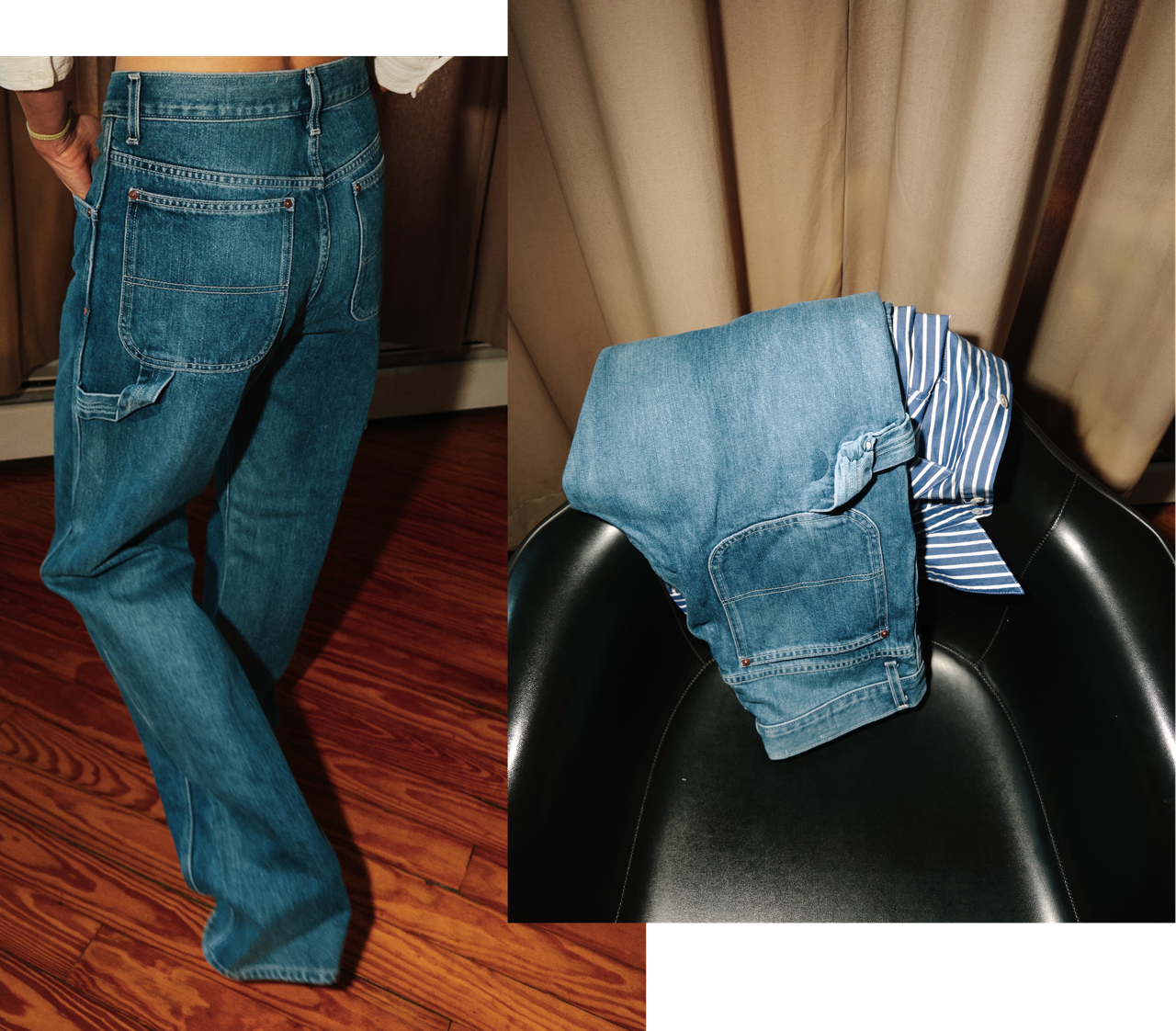
Denim is an Investment
Your perspective changes radically when you think about a pair of jeans throughout its whole lifespan. When you consider fabric, wash, repair programs, resale value and style with fit and function, you get a much fuller picture of where we are, how we got here and how much we can change about where we're headed. Well-made denim, with durable fabric, can last and live well through decades. We think denim falls into the same lane as shoes, bags and coats—things you invest in because you're going to wear them for a long time in a multitude of different situations and that you will pass on or resell when the time comes.
When you think about denim this way, your pair of jeans and what it "costs" you and the planet evolves and means more the longer you wear, repair, repeat and eventually return or resell. Now imagine if you also refined the inputs in a way that could further amplify the positive impact your denim has. Imogene + Willie has done just that. They have expanded their Cotton Project to include denim, so your jeans can now also support regenerative agriculture, use less water and chemicals to reach market, while also supporting family-owned small farms in the US. This is the second chapter of the new book Imogene + Willie is writing for cotton production and manufacturing in the US.
When we first explored The Cotton Project, we focused on their classic t-shirt made from seed-to-shelf within a 400-mile radius of Nashville. Their extension into denim represents something more complex: the revival of natural indigo in American manufacturing and in our opinion a fundamental reimagining of how premium clothing creates value.
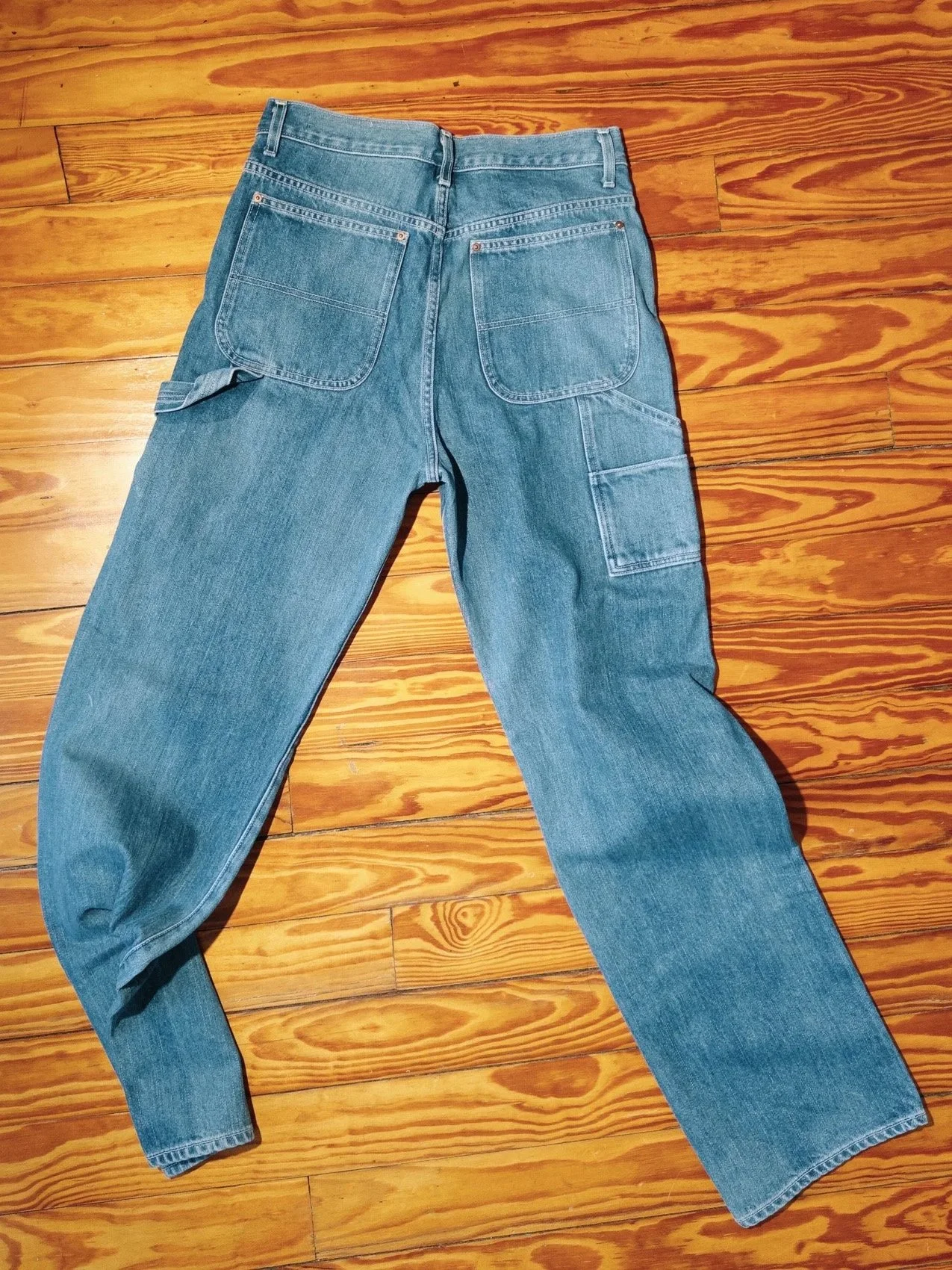
The natural indigo collection includes the Augusta and Hencye styles from The Cotton Project available at imogeneandwillie.com they're both worth owning and wearing out. Style, substance and impact. Dress them up, travel in them, put them on everyday for two weeks for years.
"One man's synthetic innovation disrupted centuries of balance in just a few short years, leading us to over a century of industrialized indigo. One woman's holistic approach to innovation could be the catalyst to restore and reset the future of indigo through regenerative agriculture."
How We Got Here
For over six centuries natural indigo dominated global textile production until synthetic alternatives developed in the late nineteenth century caused the sector to take an abrupt turn. Chemical companies like BASF in Germany refined synthetic indigo, then propagated to the US by companies like DuPont and Dow, rapidly captured 95% of the market in less than two decades. In a blink, natural indigo was decimated by "innovation." Over a century later, it's taken over a decade of fierce dedication to innovate a viable new model that leads to superior product without the extraction subsidy of synthetic indigo—a model that we believe can be repeated and scaled.
Adolf von Baeyer won the 1905 Nobel Prize in Chemistry in part for developing synthetic indigo. His achievement catalyzed one of the first major industrialization transitions where chemical innovation displaced a millennia-old agricultural product in a few short years. This shift decimated a global traditional industry that had supported millions of farmers, especially in colonial-era India, eroding local economies that depended on indigo cultivation. We can't help but see the parallels to the rapid and expansive global rise of AI and the critical future impact of the decisions we make today on how the planet and people will live in a few generations.
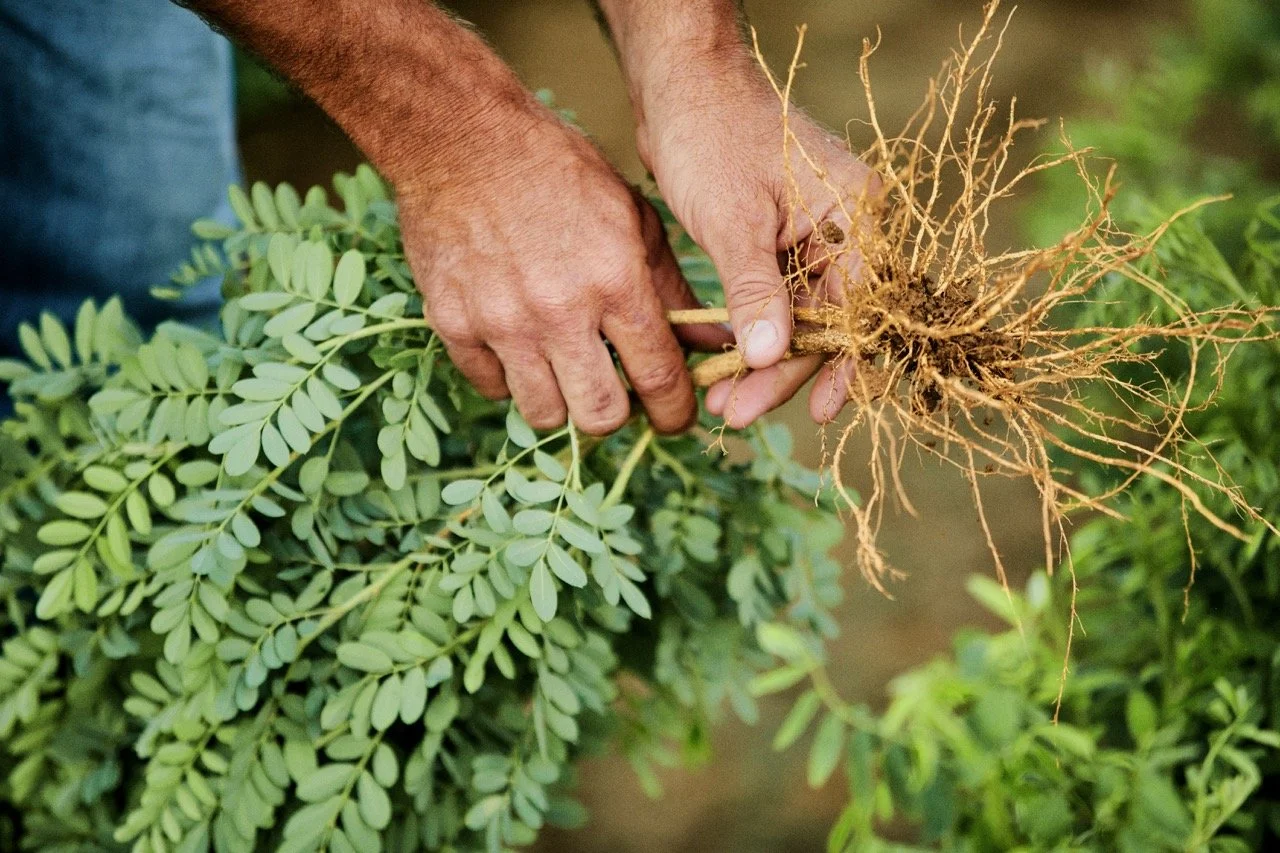
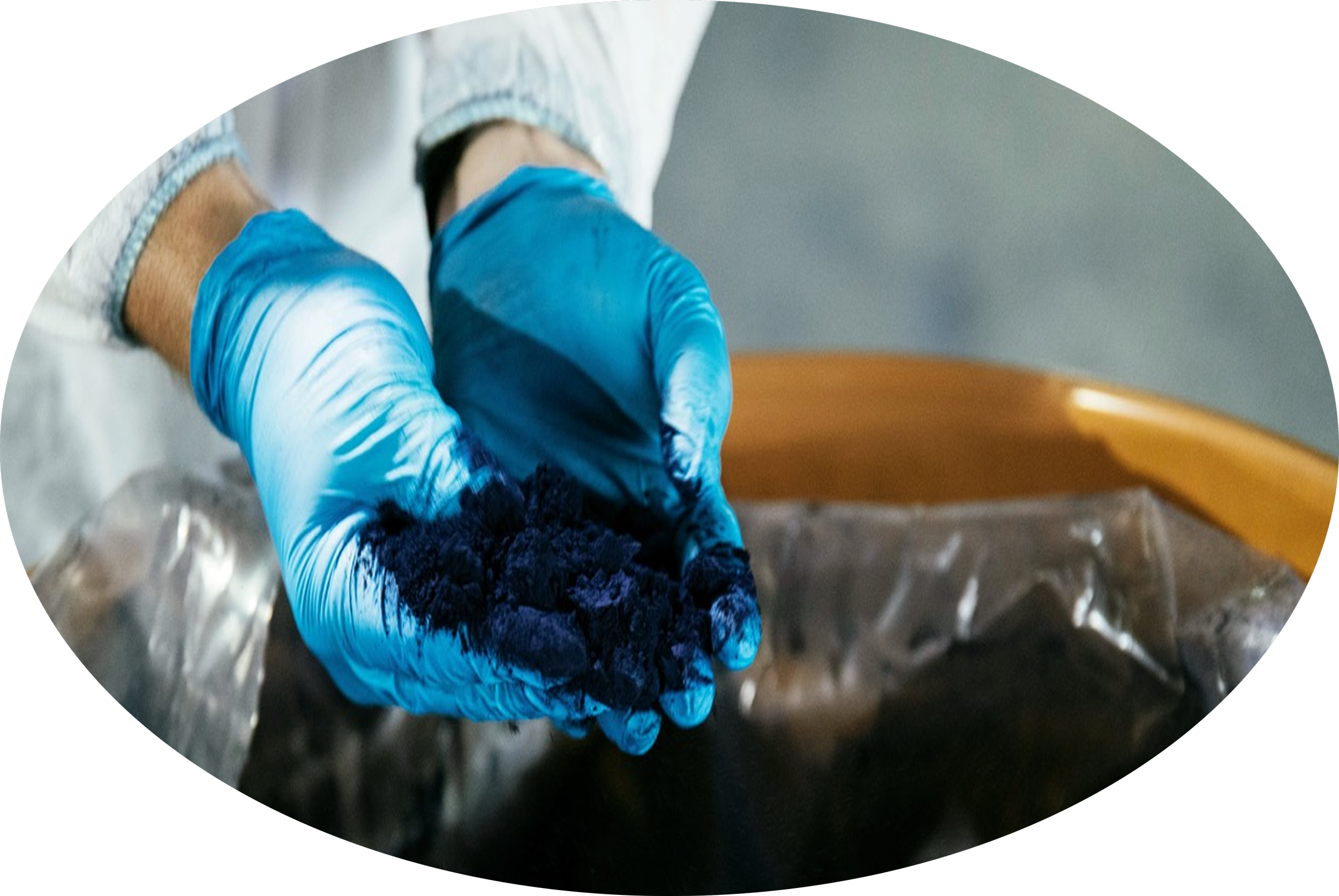
Sarah Bellos the founder of Stony Creek Colors is leading the fight for growing indigo in modern-day America, thirty miles north of Nashville and in a few other locations in the US. She is working with a dedicated network of team and external partners to re-set the narrative of indigo. Stony Creek Colors has built an integrated supply chain from seed breeding of high-yield indigofera plants to modern extraction techniques that minimize water and chemical use. Their natural indigo plants enrich soil health through nitrogen fixation and carbon sequestration, making their indigo climate positive. Through partnerships with companies like Archroma, Stony Creek aims to produce enough natural indigo to dye over 60 million pairs of jeans annually by 2027. When K.P. McNeill (CEO of Imogene + Willie) and his team approached Bellos about purchasing natural indigo for denim production, they weren't just buying raw materials—they were investing in farming practices that build soil health while creating plant-based dyes, a transformative new chapter for "innovation", partnership and collaboration together building rather than extracting.
The Humans Behind the Cloth
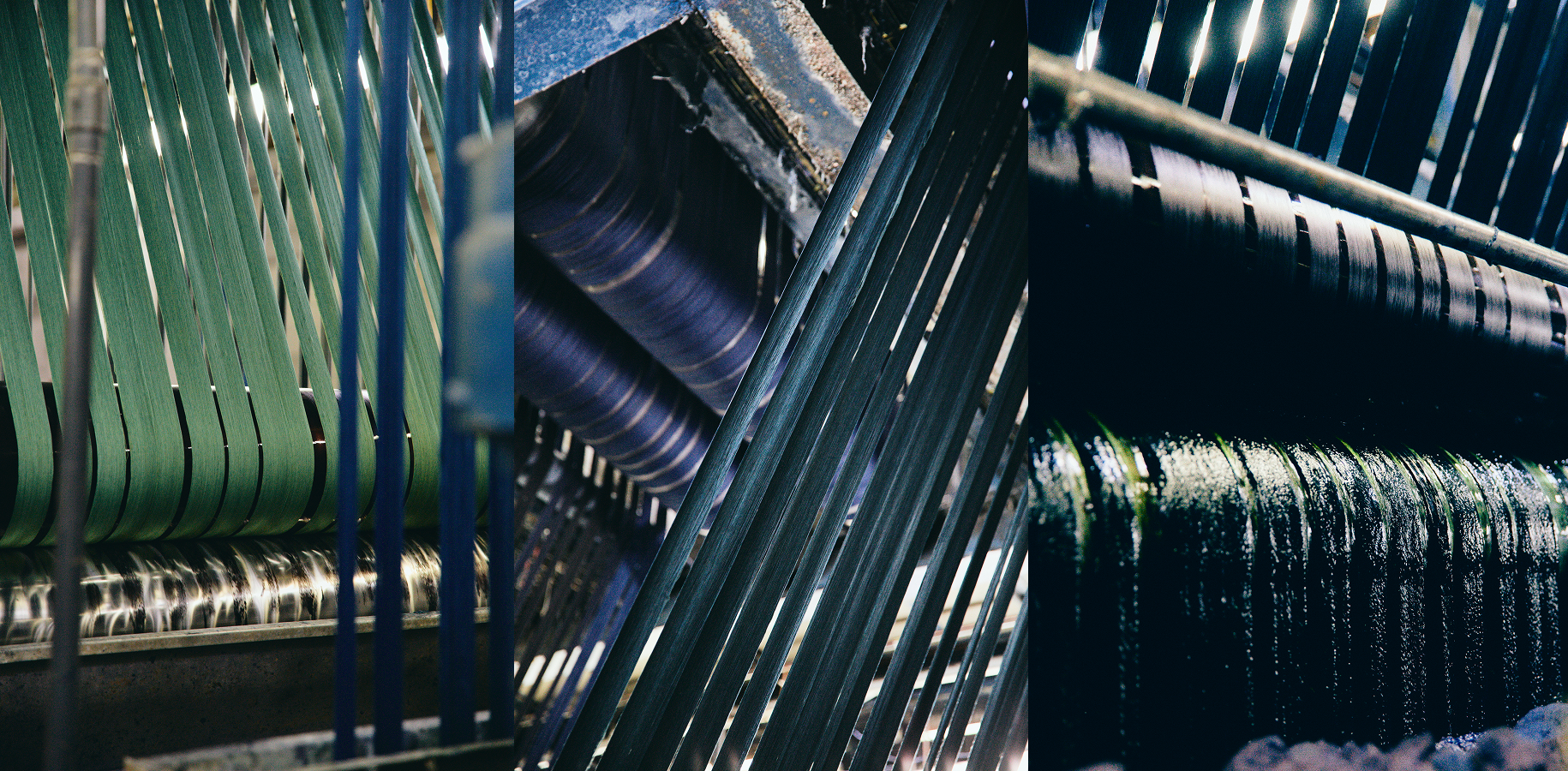
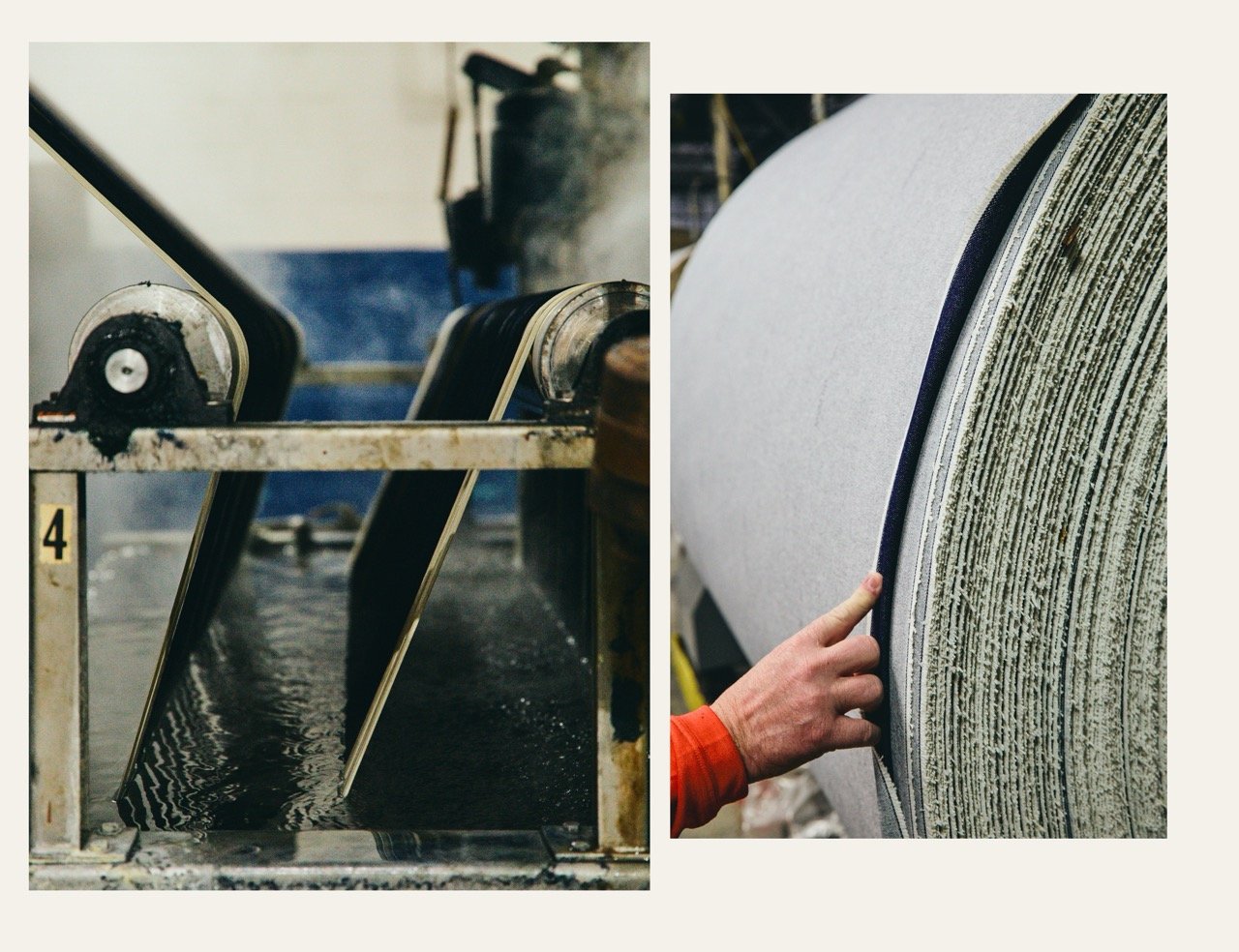
Dale McCollum spent fifty years at Mount Vernon Mills before recently retiring. Much like their partnership with Mark Leonard and the team at Hill Spinning Mill, who agreed to halt all other cotton spinning to avoid cross-contamination with cotton from other sources and maintain the integrity of the Cotton Project yarn (for their t-shirts), the team at Mount Vernon was willing to take a risk on uncharted territory with the small denim brand. They stopped production at their dye range, cleaned and sanitized the dye vats, and filled them with natural indigo from Stony Creek Colors.
"Mount Vernon is a hero of this story," McNeill explains. "They're really the last remaining mill of their size making denim in the USA. They deserve credit for still being there, innovating and changing with the times—to adapt and survive in an ever changing supply chain landscape."
Larkin Martin who grew the cotton for both chapters of The Cotton Project operates a seventh-generation regenerative farm in Courtland, Alabama. When imogene + willie purchased her 22-acre cotton crop at 25% above market price, they established a model for supporting farmers while investing in regenerative agriculture. The relationship grew—they doubled their cotton investment the following year and it feels like they are all just getting started.
Denim as Long Term Relationship - Wear, repair, resell
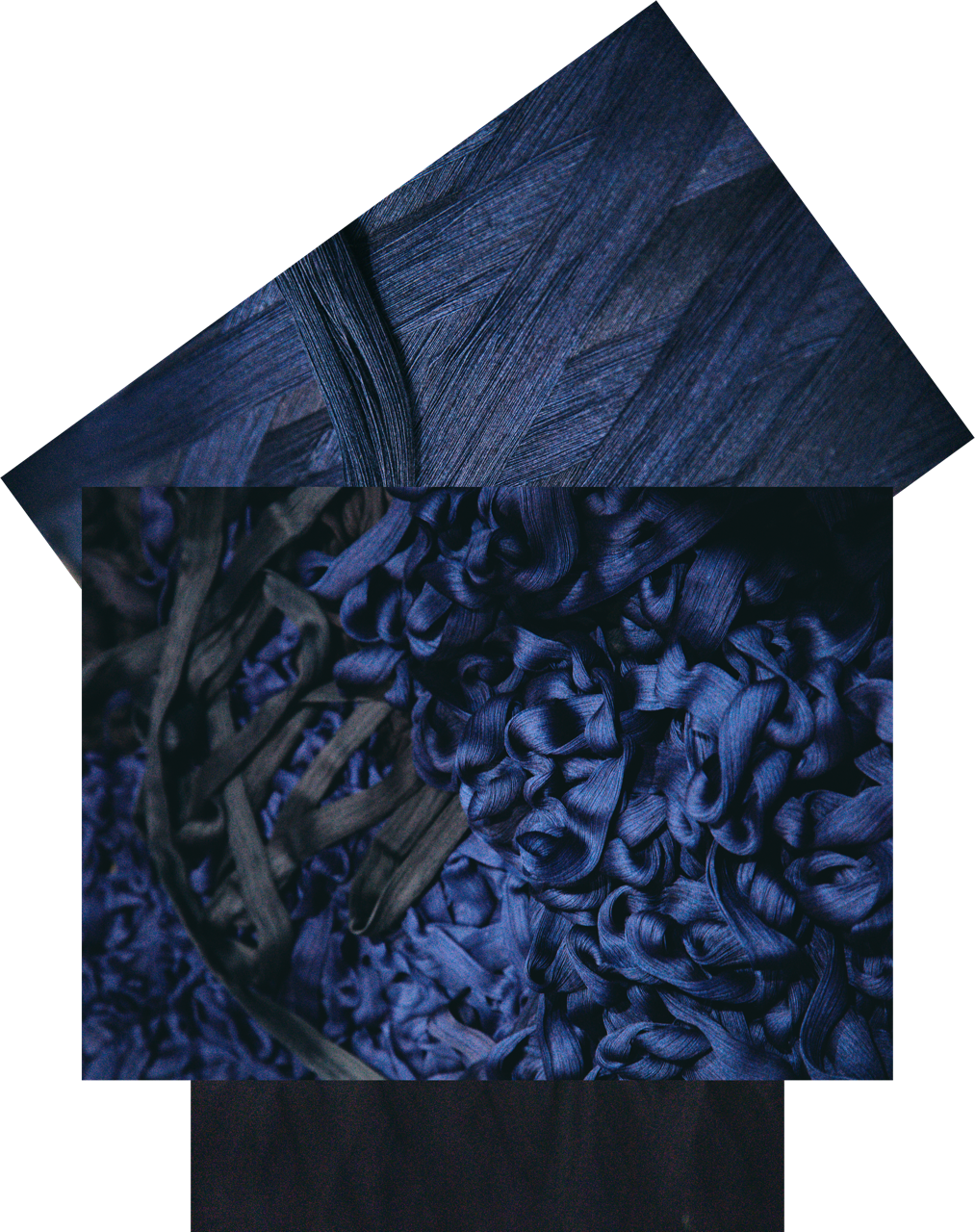
Natural indigo creates color depth that synthetic alternatives cannot replicate. The dye penetrates cotton fibers differently, creating fading patterns that develop character through wear. These aesthetic qualities contribute to resale value retention—natural indigo denim more consistently improves with age rather than wearing out. Natural indigo production supports biodiversity, soil health, and water quality while synthetic indigo manufacturing requires petroleum-based chemicals and generates industrial waste that natural processes avoid.
Imogene + Willie's repair program transforms traditional retail relationships. Each repair extends garment life while building connection between maker and wearer. Combined with their buy-back program and recycle program, these jeans participate in a circular system where value accumulates rather than depreciates. The repair program covers small holes to major alterations, with costs ranging from $25-45 per service. When factored into total cost of ownership, repairs become investments in extended wear.
The economics tell a compelling story—while there is cheaper denim out there, if you change the lens of how you think about "cost" and factor in quality and length of wear, ability and access to repair, a repurchase and recycle program as well as higher resale values, these jeans are actually very inexpensive and they're great.
Wear your jeans twice a week for three years and after it's all said and done when you let go of them, the total cost per wear factoring in purchase price, two rounds of repairs and an average resale value with a 60% return of that value to the seller is 77 cents per wear. Wear them an average of only once a week and it goes up to 1.54.
Innovation's Second Act
The ubiquitous nature of denim on a worldwide scale is staggering—the global denim jeans market was valued at $86.66 billion in 2024 and is projected to reach $121.50 billion by 2030, growing at a CAGR of 5.9%. This makes denim one of the most significant opportunities for systemic change in fashion. We now hold the power of knowing the path to here combined with the freedom and technology of today. We believe that together we can reset the surprisingly transformative reality of denim in the modern world.
This project demonstrates that American textile manufacturing can compete on innovation rather than cost while supporting regenerative agriculture, fair wages, and environmental stewardship through products that retain value over time.
What Comes Next
Our telling of the story of Imogene + Willie's Cotton Project expansion into denim represents just the beginning of our planned comprehensive exploration into the world of denim. We'll examine global denim production, identify brands making meaningful changes, explore vintage and secondhand markets, and investigate repair and alteration options that extend garment life.
Natural indigo represents one thread in a larger conversation about reshaping textile production to serve people and planet while creating products that improve with time rather than deteriorating toward disposal.
The question isn't whether premium denim justifies its cost—it's whether we're ready to embrace manufacturing models that create value for farmers, mill workers, sewers, partners, consumers, and the environment simultaneously.
“When a system externalizes its true costs, everyone pays. The worker. The planet. The product itself.”