A Conversation with Rachael Petach
What’s all the fuss about currants?
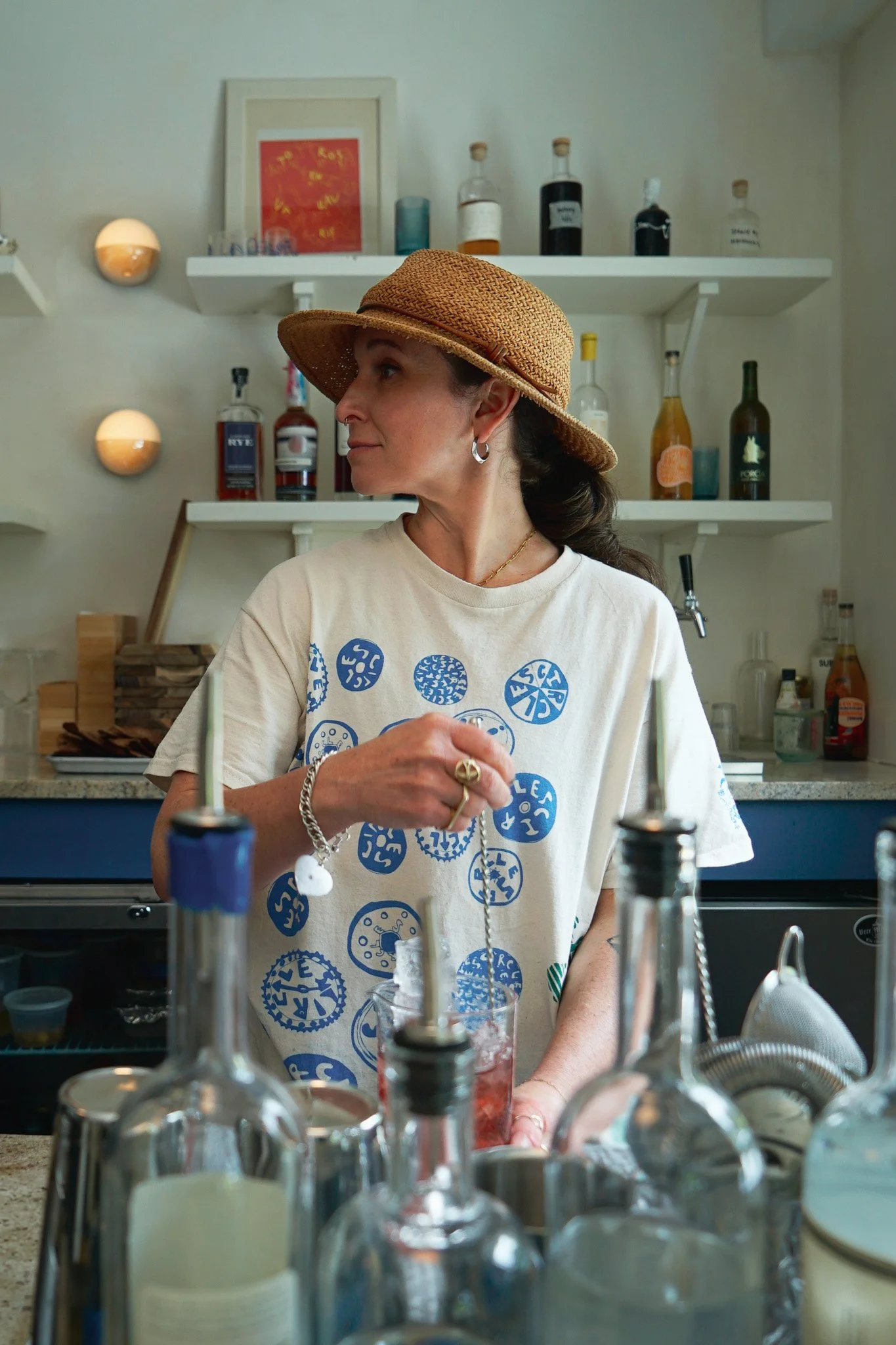
C.Cassis in Rhinebeck, New York and its founder Rachael Petach are well worth all the fuss.
Rachael’s journey to this moment has been anything but direct. Like many successful ideas, it started with a gap in the market - six months pregnant in 2018. Uninspired by existing mocktails, she began experimenting with her own cordials in Brooklyn. She’d fallen for cassis during an organic farming residency in France years earlier, and when she started looking for quality versions in the US, what she found was either excessively sweet or stuck in the past. So she made her own.
Her hospitality background runs deep - years working with some of New York’s most prominent hotel hospitality and event groups - a decade between the Bowery Hotel and the Wyeth Hotel, understanding how spaces could feel, how service could elevate experience. But this wasn’t about replicating what already existed. This was about building something that reflected what she valued.
The move upstate wasn’t an escape but a reckoning. She left the city and started building something fundamentally different. Employee equity wasn’t an add-on—it is foundational, with team members who contribute significantly sharing in the business’s success. Waste wasn’t inevitable - it was a design flaw to be solved. Quality wasn’t about maximizing markup - it is about doing things right for the long run.
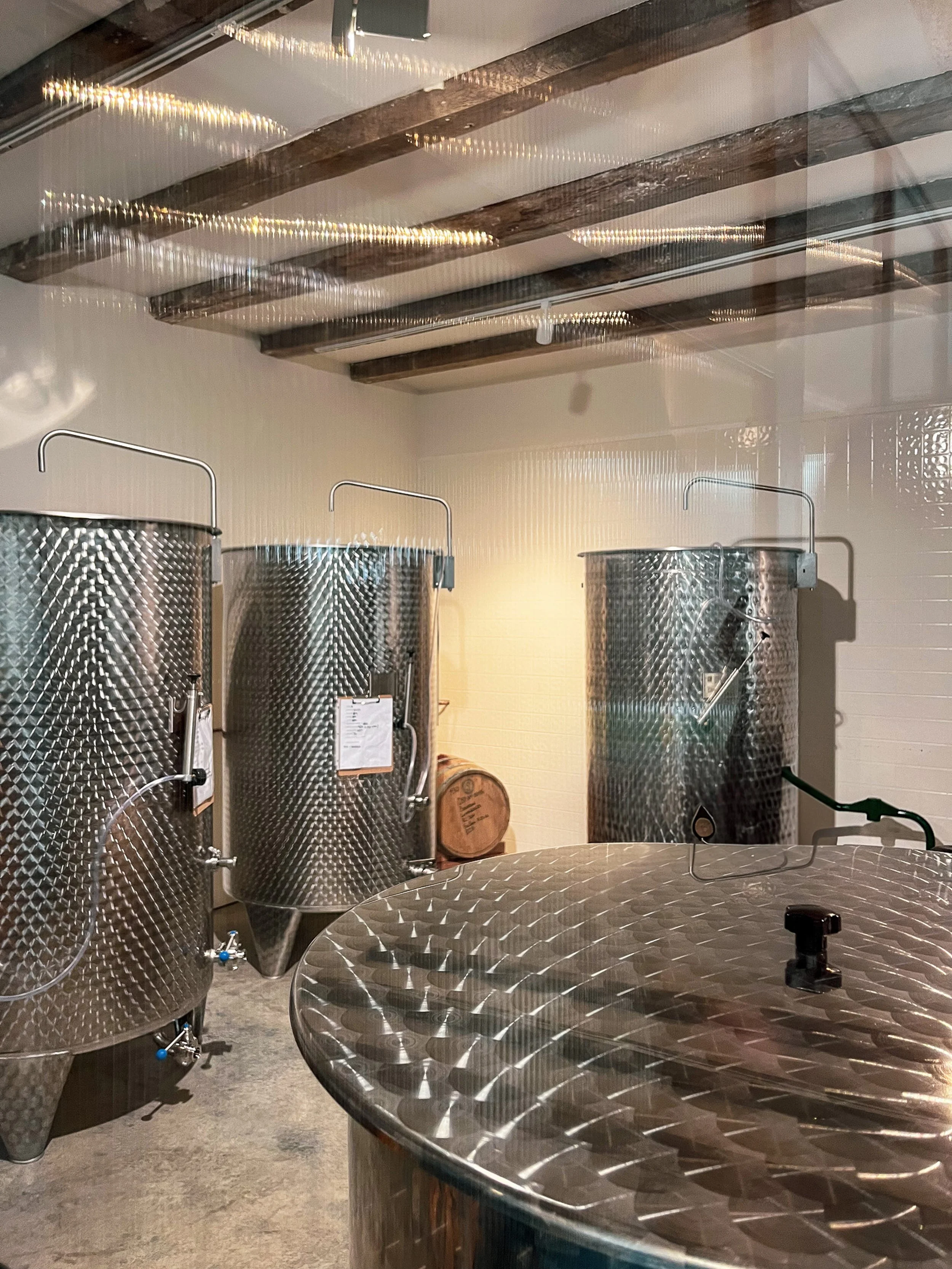
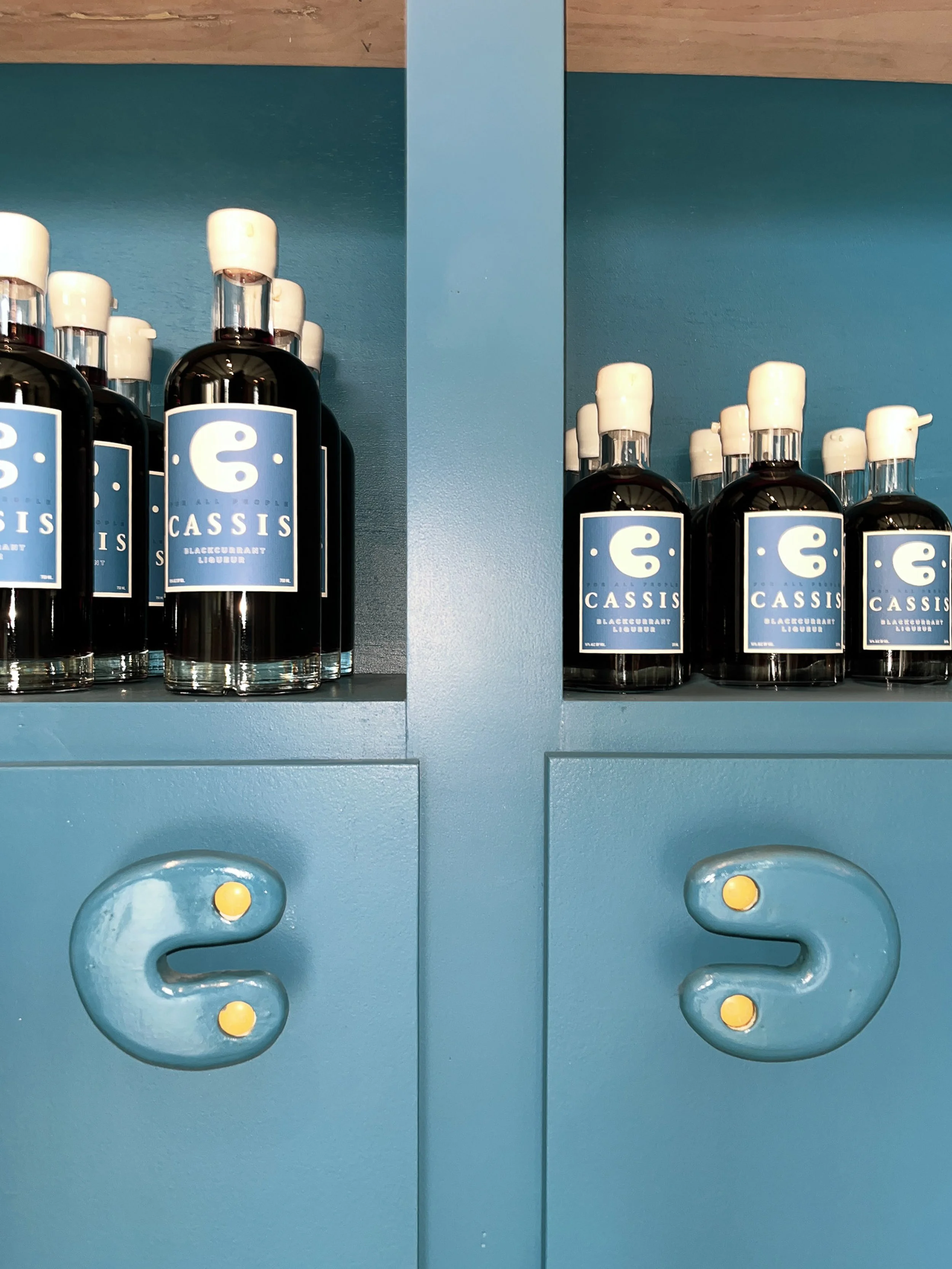
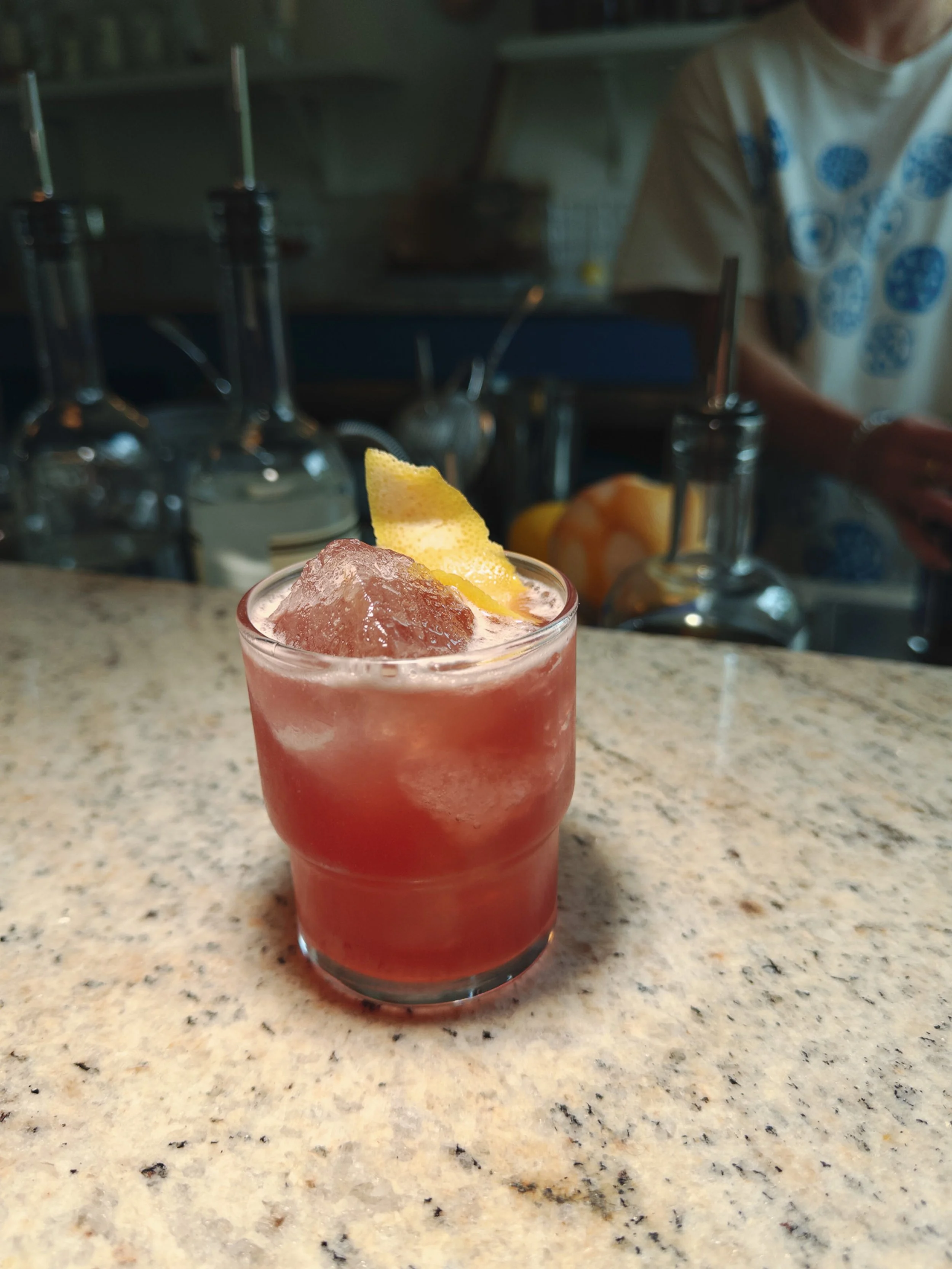
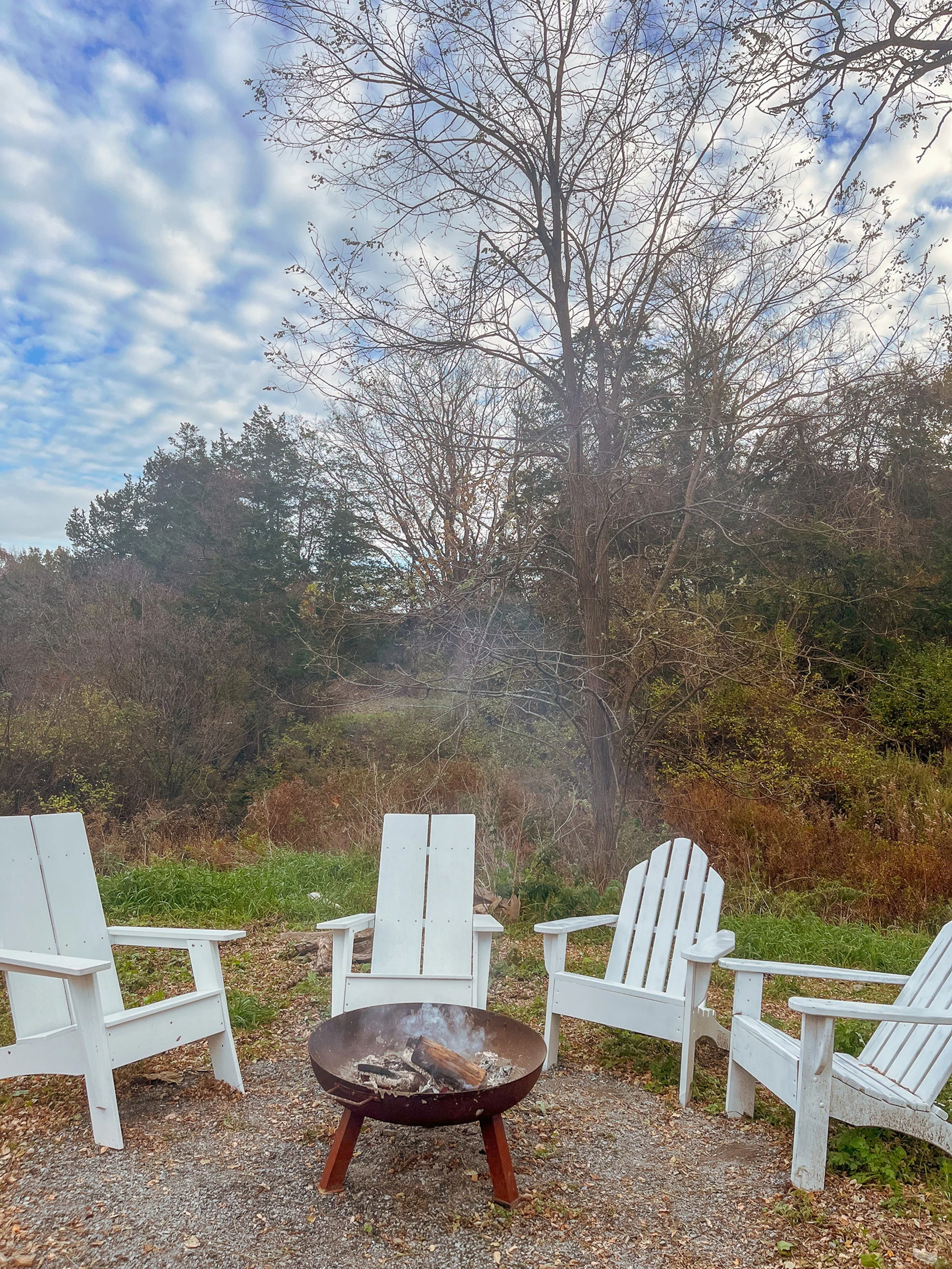
When C.Cassis opened their taproom nearby, I was intrigued.
What I found was an operation that saw currants as a possibility for change - working with the climate friendly fruit that had been banned in New York for nearly a century, building something that felt both rooted in place and completely contemporary.
What struck me wasn’t just the quality of what they were making, but how deliberately everything had been considered. The space itself, the way they talked about their process, the attention to details that most operations would overlook. This was hospitality at a level good for anywhere in the world.
I found myself returning, each visit revealing new layers. The merch that felt substantial rather than promotional. The way waste became something else entirely (think salad dressings, and compote and more). The conversations with Rachael and her team that suggested this was about more than making good drinks - it was actually about proving a different kind of business model could work.

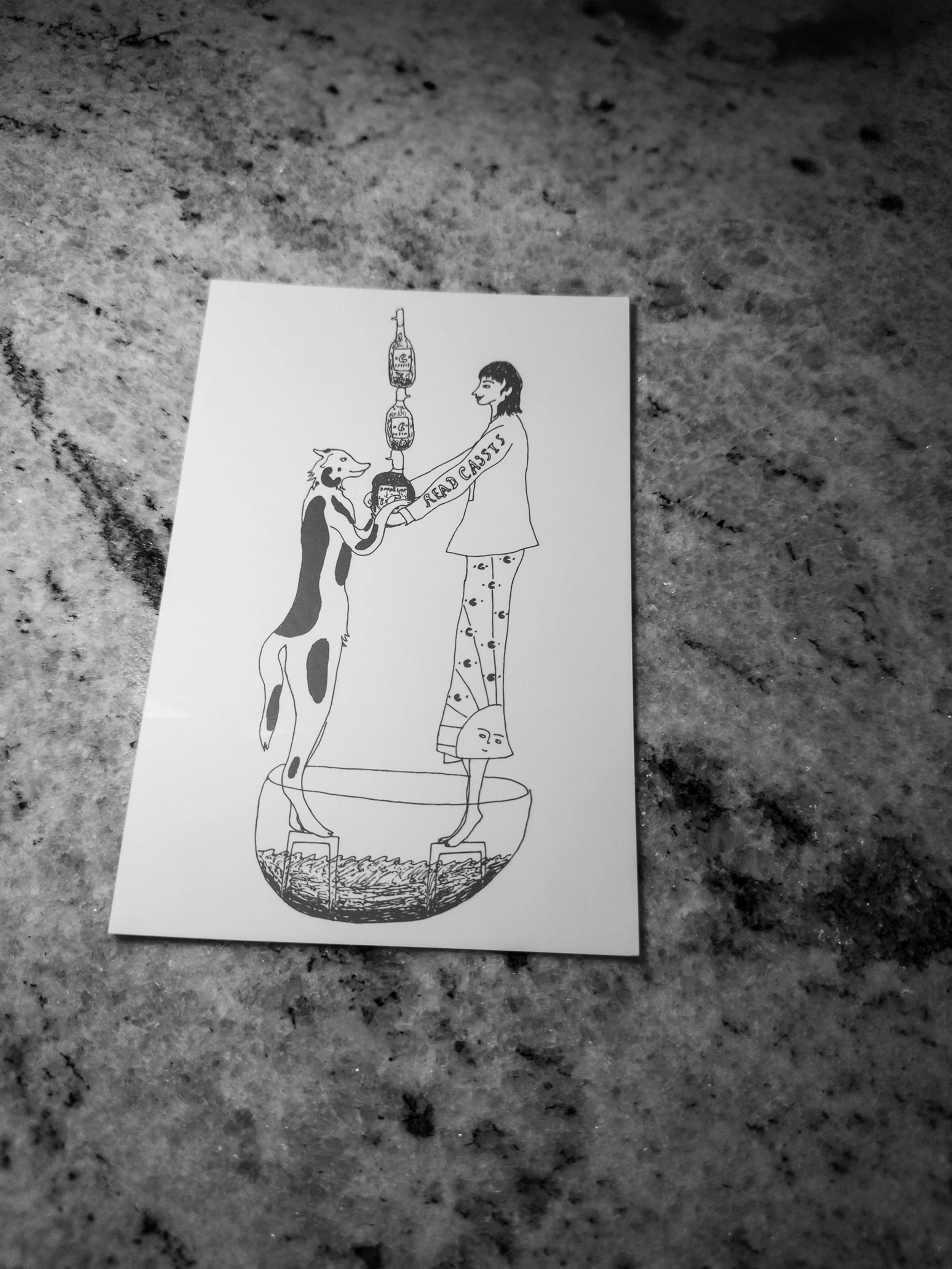
Rachael & I sat down to talk, and what emerged was a conversation about systems as much as it was about currants and cocktails - not just the business she’d built, but the thinking behind it.
What follows is an edited version of our hour-long conversation:
Geren: I am relatively recent to upstate and I’m watching a new generation build something up here that isn’t an escape from the city, it’s a choice. A creative one.
Rachael: Yeah. It wasn’t like, “Oh I need to get out.” It was more like - what can I build that actually reflects the kind of life I want? I’d been in hospitality in the city. I’d been in it deep. And this wasn’t running away - it was rerouting. Re-rooting maybe.
Geren: And you didn’t build something small. You’ve created a brand, a space, a bar, a product, a whole aesthetic - and people are coming for that.
Rachael: I wanted it to be beautiful. I mean I care about that. But it wasn’t about appearances. It was about building a system that reflects what I actually believe in.
Geren: Which is what?
Rachael: That people who work on something - like really work on it - should benefit from it. That waste should become value. That beauty should come with care. That businesses shouldn’t just extract - they should nourish.
Geren: The choice of currants seems intentional beyond just the taste.
Rachael: Exactly. Currants are incredibly climate resilient. They don't need irrigation, they actually thrive on marginal land, and they're built to withstand weather extremes. Working with ingredients that work with the environment rather than against it - that's part of the whole system.
Geren: And yet none of that is plastered on the label.
Rachael: No. Because if it’s real, it shows. And if it’s not, saying it doesn’t make it so.
Geren: The employee equity piece feels like more than just good business practice - it feels personal.
Rachael: I believe that a collective model is the future- not just of businesses but of life on this planet. After a year we discuss vesting options with any full time employee. It can be more complex and we are by no means experts, but it is not imposible. The way I have always worked for people in the past is to treat every project with the same care as though it was my own business, but I didn’t have equity (simply bad boundaries!). I just wanted to think about an alternative approach. If someone builds this with me, they deserve to benefit from it holistically.
Geren: That’s a pretty direct challenge to how most hospitality businesses operate.
Rachael: There’s a real value to a person who stays with a project for five years and puts a lot of their heart into it. And if that company then grows up and gets big and eventually sells... I think kind of everyone should get a little push from that.
Geren: Do you feel like you’ve created a new kind of luxury?
Rachael: If luxury means “you had to suffer to get this,” I’m not interested. If it means “someone thought about every single detail and made it better than it had to be,” yeah - that I’m into.
Geren: That’s how it feels. The merch, the spritz, the signage - it’s all more considered than it has to be.
Rachael: It’s not performative. It’s just how I work. My husband designs the visuals. I think in systems. That’s what makes the whole thing hold.
Geren: This feels like more than a business model - it feels like proof of concept for a different way of working entirely.
Rachael: I hope so. I want it to feel like an offering. Like you’re entering something that’s been thought through - that you’re invited to participate in, not just consume.
Geren: You’ve built something that feeds people. That makes joy and flavor and care feel native, not rare.
Rachael: Thanks. That’s the goal. Not to impress people - to feed them. To make better systems visible. And to keep showing up.
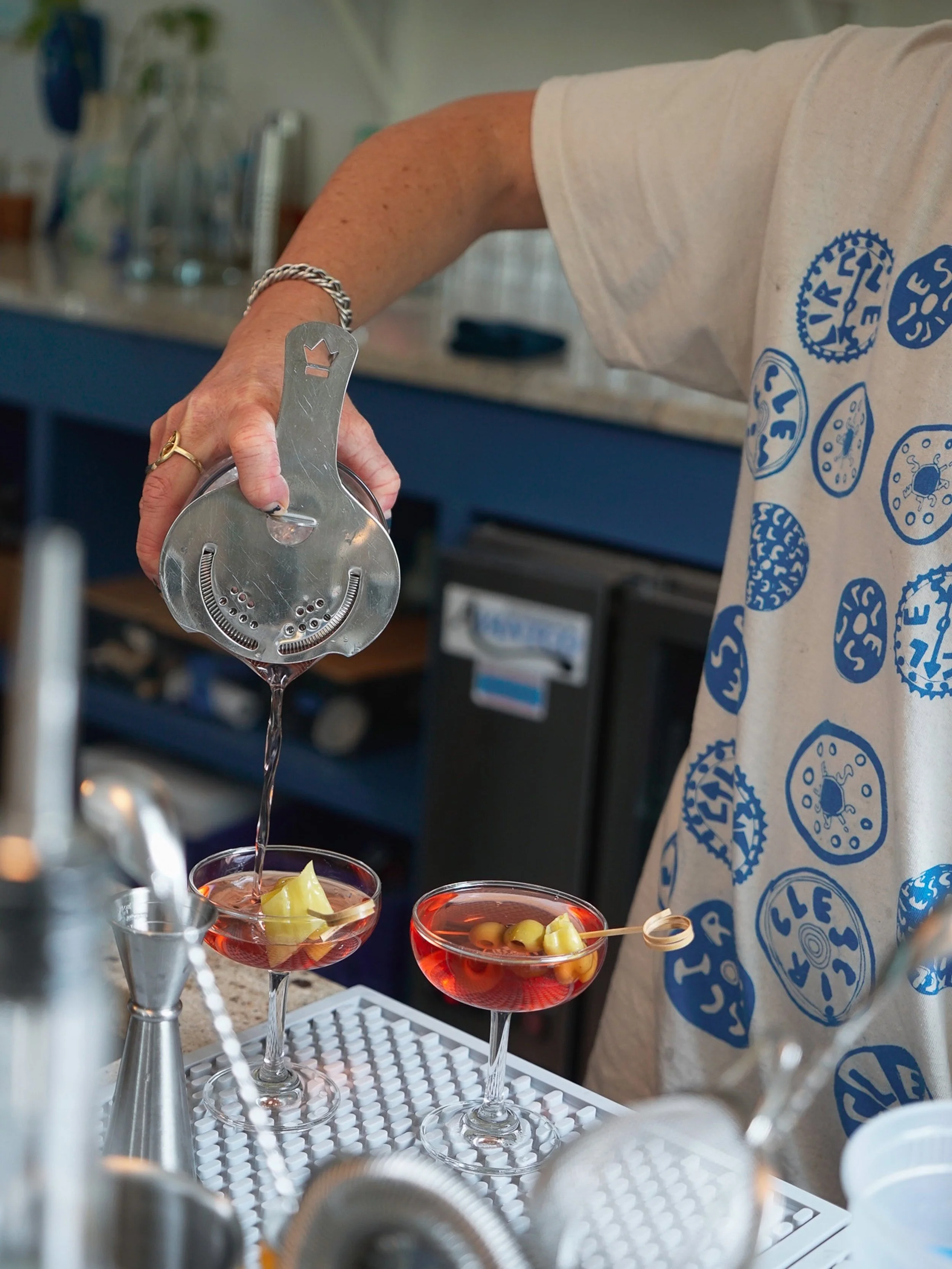
We’re in it with C.Cassis for the long haul showing up as they grow and change—we think you should be too.
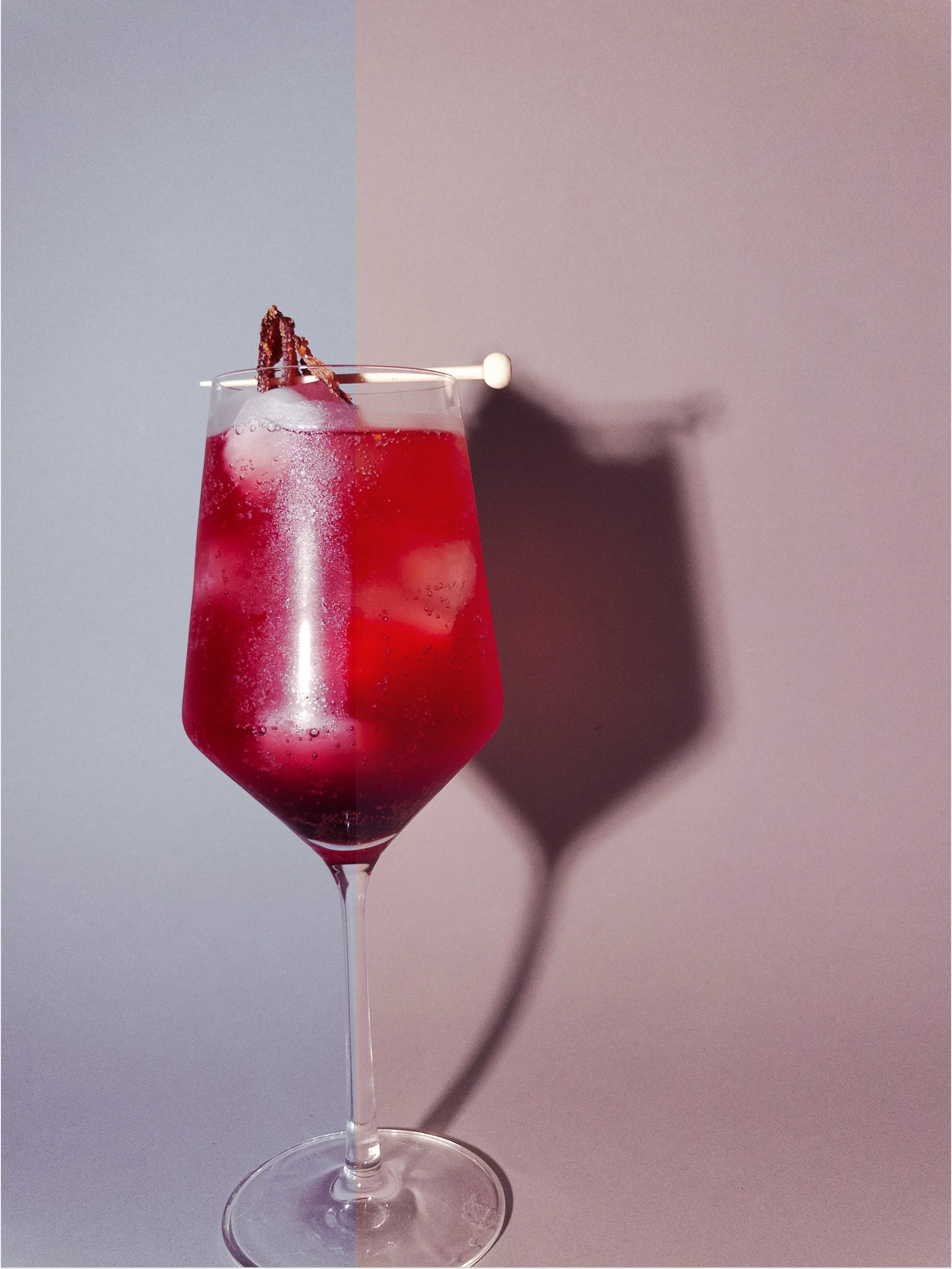
We think C.Cassis represents an ideal next generation 'watering hole' - a third space where like-minded thinkers gather to find joy and deliciousness in a space built to change with the world. I've met some of the most expansive thinkers I've encountered in recent years over Sunday afternoon cocktails here. If you don't want to imbibe, there's a 0% ABV version so everyone can partake.
Find them featured in our Hudson Valley Weekend Guide, Area Guide, and Summer Spritz Recipe. Support the world Rachael and her team are building. Learn more about their mission and order their stuff, share their work @currentcassis, show up in Rhinebeck for cocktails and fantastic food pop-ups. And do it on repeat.