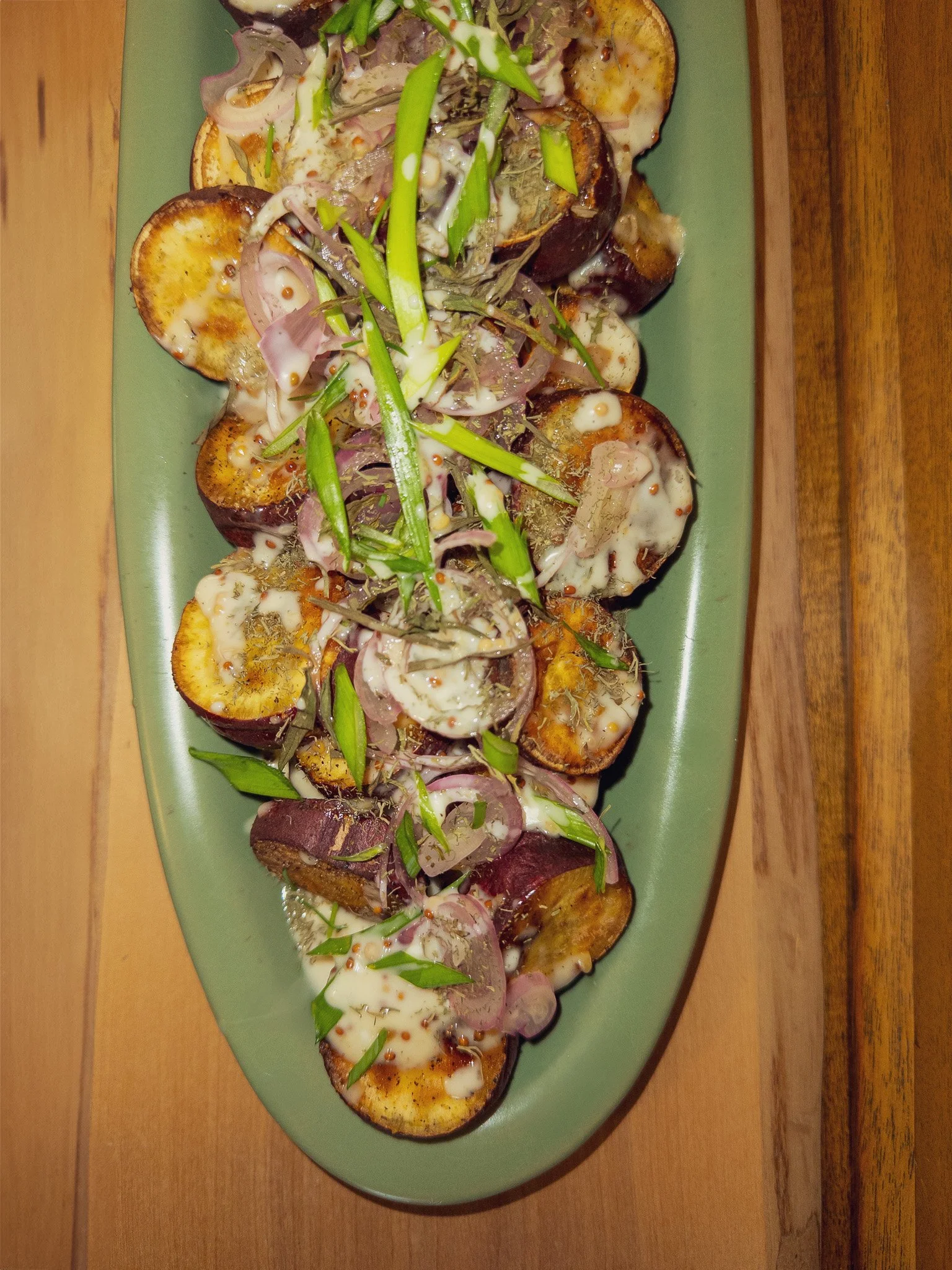
Roasted Red Beet Hummus
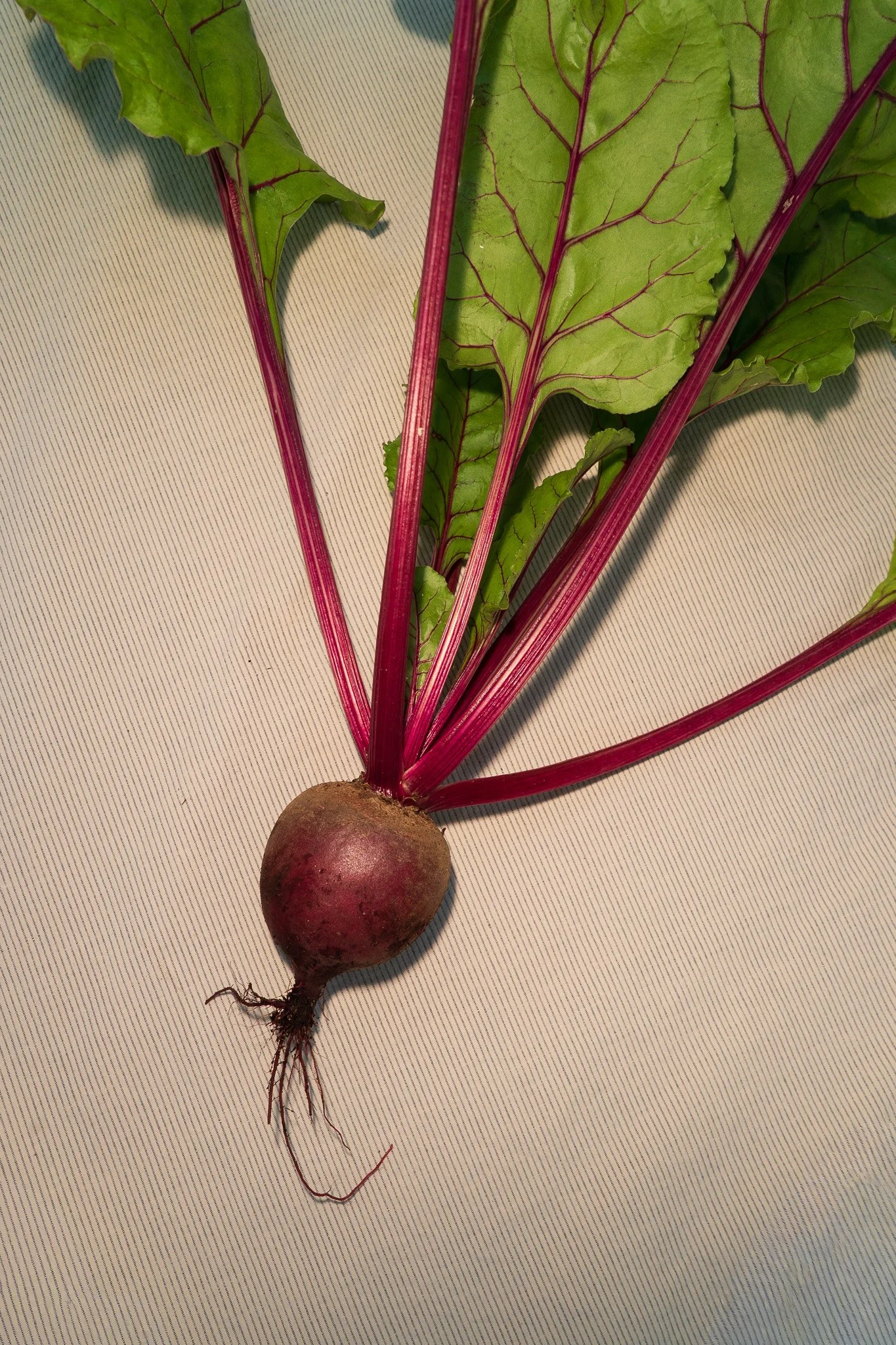
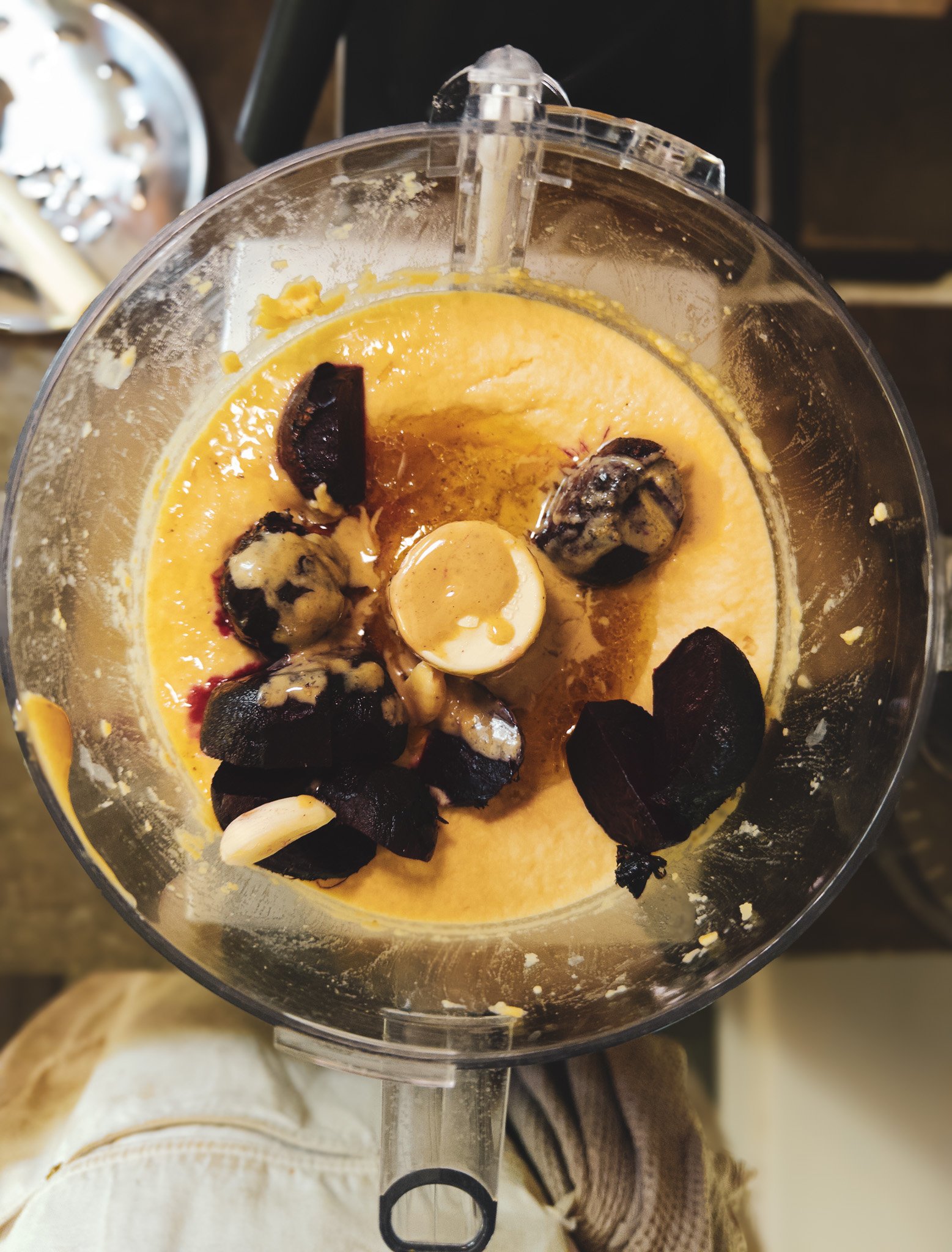

This vibrant beetroot hummus transforms the classic Middle Eastern dip into a stunning centerpiece that's as nutritious as it is beautiful. Roasted beetroot lends natural sweetness and an incredible magenta hue, while homemade Egyptian dukkah—a fragrant blend of toasted nuts, seeds, and warm spices—adds textural contrast and aromatic complexity.
Beyond its visual appeal, this hummus delivers serious nutritional value with 12 grams of plant-based protein and 8 grams of fiber per serving. The combination of chickpeas and tahini provides complete proteins, while beetroot adds folate, nitrates, and antioxidants to the mix. Keeping the beetroot skins on maximizes fiber content and eliminates prep work.
The beauty of this recipe lies in its versatility and make-ahead friendly nature. The dukkah keeps for a month and transforms everything it touches, from salads to roasted vegetables. The hummus itself improves overnight and keeps for a week or more as flavors meld, making it perfect for meal prep or entertaining.
METRICS (per serving)— 12g protein | 8g fiber | 7 plants

Roasted Red Beet Hummus
NEED THIS
Ingredients
Instructions
- NEED THIS
- NEED THIS
- NEED THIS
- NEED THIS
Notes
SUGAR FREE • GLUTEN FREE • PLANT-BASED • KOSHER • HALAL •
SEASONALITY
Northern Hemisphere
- Peak Potato Season: Late summer through early winter (August-December)
- Storage crop availability: Year-round with proper storage
- Best flavor and nutrition: Newly harvested potatoes (September-November)
Potato varieties Northern Hemisphere
- Spring: New potatoes, fingerlings
- Summer: All varieties readily available
- Fall: Storage varieties (Russet, Yukon Gold)
- Winter: Storage varieties
Southern Hemisphere
- Peak Potato Season: Late summer through early winter (February-June)
- Storage crop availability: Year-round with proper storage
- Best flavor and nutrition: Newly harvested potatoes (March-May)
PLANT DIVERSITY COUNT
- Potatoes
WASTE ABATEMENT & REUSE
- Potato peels: Leave on for nutrition or save for vegetable stock
- Soaking water: Use for watering acid-loving plants LINK
- Parchment paper: Reuse if not too greasy
- Leftover fries:
- Chop for breakfast hash
- Add to frittatas
- Reheat in oven or air fryer (never microwave)
EQUIPMENT & TOOLS
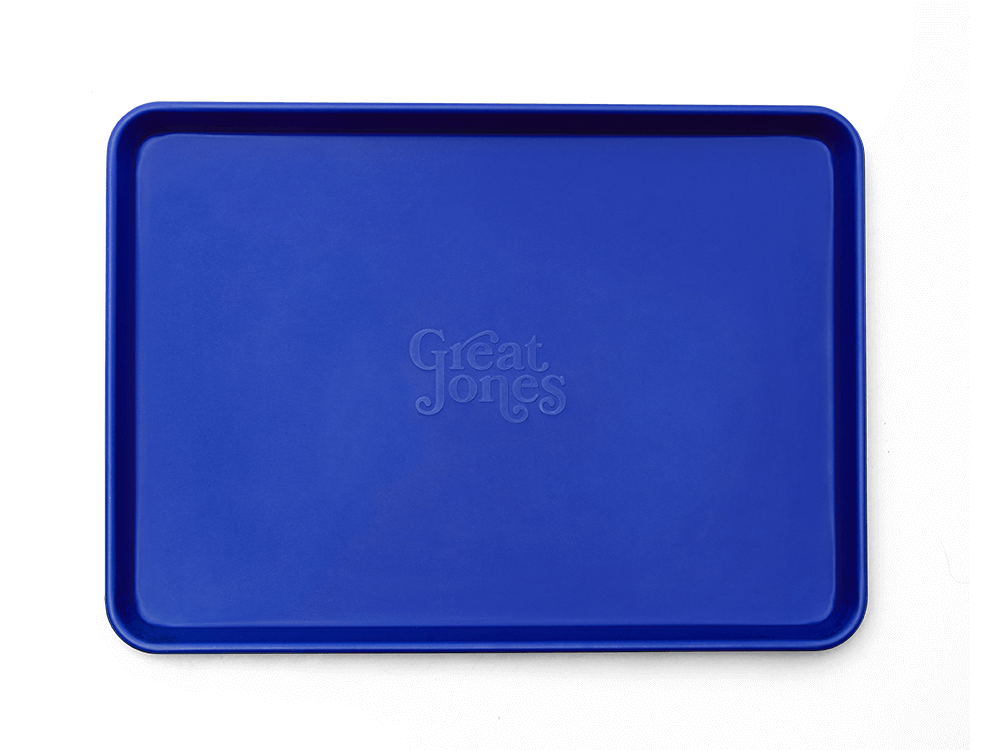
- Great Jones Holy Sheet Pan
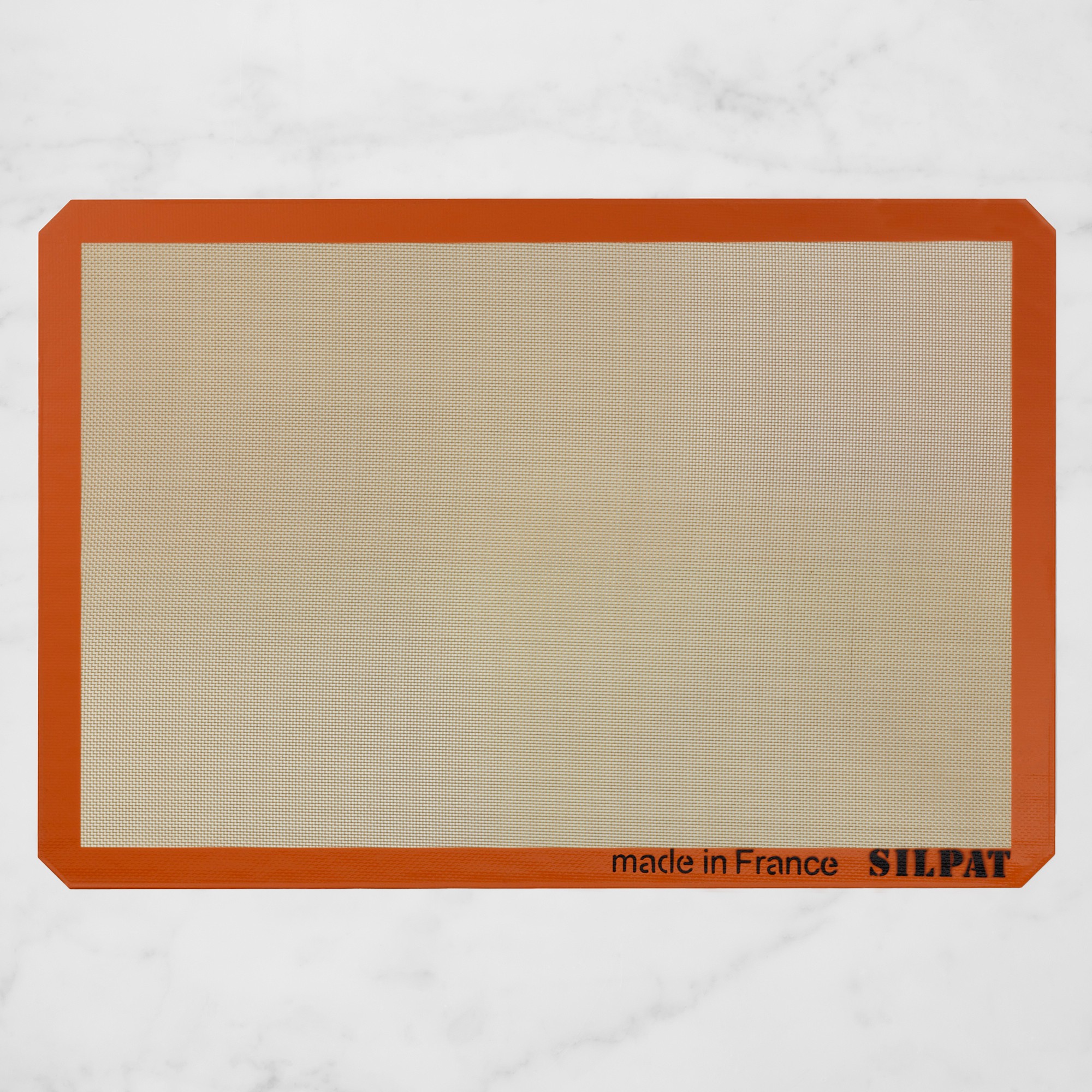
- Silpat Liner
- Figmint Metal Spatula
COST AS TESTED USD 2025
Total Cost: 8.86 (2lbs of perfect fries)



Nutrition Facts
Calories
225Fat
8 gCarbs
35 gFiber
5 gNet carbs
30 gSugar
1.5 gProtein
4 gSodium
600 mgSat. Fat
1 gNutritional information is an estimate based on our own preparation and will vary depending on the choices made when preparing.
-
Our recipes prioritize whole, seasonal ingredients with high nutritional density - crafting vegetable-forward dishes rich in fiber and protein that celebrate vibrant modern global flavors. We source from producers and purveyors who share our commitment to local, regenerative, and sustainable food systems, complemented by ingredients from our own gardens. As a foundation for gut health, we layer fermentation and preservation techniques throughout our recipes while avoiding added sugars and heavily processed ingredients. We focus on ingredients you can pronounce and trace to their source.
-
We create, adapt, test, and photograph all recipes with minimal waste and maximum efficiency as a core principle. What you see is the actual dish - no artificial styling, no wasted food.
-
We developed and photographed this recipe or recipe adaptation and Hudson Valley-grown ingredients on the traditional and unceded territories of the Mohican, Munsee Lenape, and Esopus peoples, who have stewarded these lands since time immemorial.
-
We develop and adapt our recipes using ingredients and tools we grow, purchase and test ourselves. We occasionally evaluate products offered to us, with editorial decisions guided by our standards, not commercial considerations. Some links may generate commissions, but our recommendations stem from authentic experience and editorial conviction.